Plantain Confusion Is Optional: How to Pick the Right One Every Time
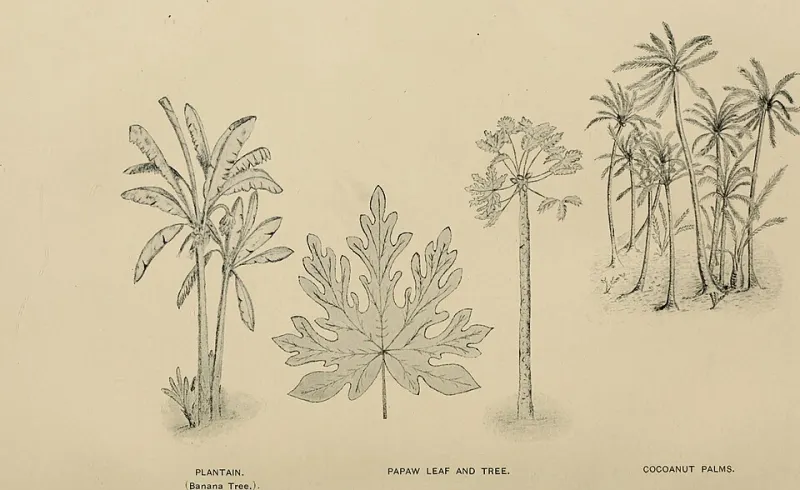
Photo: Internet Archive Book Images, No restrictions, via Wikimedia Commons
Plantains are not bananas, and they are not a single ingredient. They are a spectrum. In a Panamanian kitchen, a green plantain and a black plantain are almost different foods: one is for salt and crunch, the other for sweetness and caramel. The problem for many US shoppers is that supermarkets pile them together with little guidance, so people buy one at random, cook it like a banana, and decide they do not like plantains.
That is a shame, because plantains are cheap, filling, and versatile. You just need to match the stage of ripeness to the dish. Here is the no-nonsense version.
First, Tell Them Apart From Bananas
Plantains are usually larger, firmer, and starchier than dessert bananas. They have a thicker skin and a more angular shape. When green, they are hard enough to feel like a vegetable. When ripe, they soften and the skin turns yellow, then black. A ripe plantain is sweeter than a green one, but it is still less sweet than a banana. Do not peel and eat a raw plantain like a banana unless you enjoy a mouthful of starch.
The Ripeness Chart
| Stage | What it looks like | Feel | Flavor | Best for |
|---|---|---|---|---|
| Green | Solid green, no yellow | Hard, stiff | Starchy, neutral | Patacones, tostones, soups |
| Green-yellow | Green with a little yellow at the ends | Firm | Mildly starchy | Tajadas, boiled sides |
| Yellow | Mostly yellow, maybe a few black spots | Yielding but firm | Slightly sweet | Tajadas, maduros, baked slices |
| Yellow-black | Yellow with large black patches | Soft | Sweet | Maduros, dessert-style plantains |
| Black | Mostly or fully black | Very soft | Very sweet | Maduros, sweet mash, overripe baking |
Most Panamanian home cooks keep at least two stages on hand. Green for patacones. Ripe for maduros. The middle stages are for everyday sides.
What to Buy at the Store
Choose plantains that are firm and heavy for their size, with no mold, soft spots, or split skin. A little bruising is fine if you plan to cook them soon. Avoid plantains that are already leaking or smell fermented. If you need green plantains for patacones, pick the hardest ones you can find and use them within a few days. If you want maduros this weekend, buy yellow-black ones and plan to cook them within two or three days.
Buy a mix. That is the practical move. Pick up two green plantains, two yellow ones, and one or two black ones. Let them sit on the counter and you will have a week of different dishes without another trip to the store.
Storage: Counter First, Fridge Later
Plantains ripen at room temperature. Keep them in a cool, dry spot out of direct sun. To speed things up, put them in a paper bag with a banana or an apple. To slow things down, move them to the refrigerator once they reach the stage you want. The skin will darken in the fridge, but the flesh stays usable for several days. Do not refrigerate green plantains unless you are trying to stop them from ripening; cold can cause the flesh to darken and soften unevenly.
Peeled plantains brown quickly. If you need to prep them ahead, put the peeled pieces in a bowl of cold water with a squeeze of lime or lemon for up to 30 minutes.
Two Starter Methods That Cover Most of the Map
Patacones for Green Plantains
Patacones are thick, twice-fried green plantain rounds. They are crispy, salty, and made for dipping. Peel the green plantains and cut them into 1-inch rounds. Heat about an inch of neutral oil in a skillet to 350°F. Fry the rounds for 3 to 4 minutes, until pale golden. Remove them, drain briefly, and smash each one flat with the bottom of a glass or a plantain press. Return them to the oil and fry again for 2 to 3 minutes, until crisp and golden. Drain on paper towels and salt immediately. Serve with bean dip, avocado, or a simple garlic sauce.
The mistake people make is skipping the first fry or smashing them too thin. You want a sturdy chip with a little tender center, not a potato chip.
Maduros for Ripe Plantains
Maduros are sweet fried plantains. Peel yellow-black or black plantains and slice them on a bias into 1/2-inch pieces. Heat a little neutral oil or butter in a skillet over medium heat. Add the slices in a single layer and cook for 2 to 3 minutes per side, until deep golden and caramelized at the edges. Lower the heat if they brown too fast. Drain on paper towels and sprinkle with a tiny pinch of salt. Serve alongside rice and beans, eggs, or roast chicken.
If the plantains are very ripe, they will release sugar and stick. Use a nonstick pan or a well-seasoned skillet and keep the heat moderate.
The Underripe Trap
The most common complaint about plantains is that they are bland and dry. That usually means a green plantain was cooked like a sweet one, or a yellow plantain was treated as if it were black. Green plantains are not supposed to taste like dessert. They are supposed to be starchy, salty, and crisp. Ripe plantains are not supposed to be firm and neutral. They are supposed to be soft and sweet. Match the stage to the method and the complaint disappears.
Once you get the hang of it, plantains become one of the most reliable cheap sides in the kitchen. They store well, they fry fast, and they make a plain plate of rice and beans look like dinner.