What American Kitchens Keep Getting Wrong About Panama's Seafood Coast
Two Oceans, One Country, Zero Credit
Panama is one of the only countries on Earth where you can drive a few hours and go from fishing on the Pacific to hauling nets on the Caribbean. That geographic reality has shaped centuries of coastal cooking — layered, diverse, and deeply rooted in the communities that live along those shores. So when an American restaurant slaps "Panamanian-style ceviche" on the menu and serves up lime-marinated tilapia with a side of tortilla chips, something important gets lost in translation.
This isn't about gatekeeping. It's about giving credit where it's due, understanding why the nuances matter, and honestly — cooking better food because of it.
Ceviche Is Just the Beginning
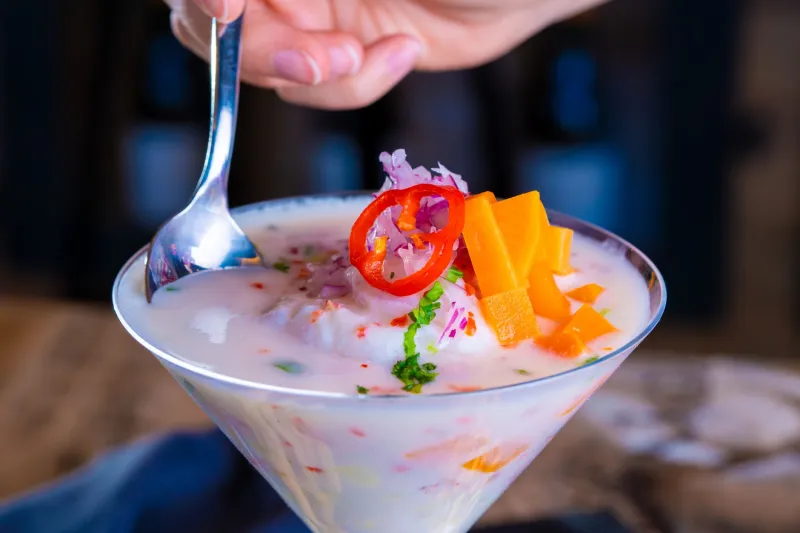
Ask most Americans what Panamanian seafood looks like, and ceviche is probably the first word out of their mouths. Fair enough — Panama's ceviche is genuinely excellent, and it deserves its reputation. But calling it the whole story is like saying Chicago's food scene is just deep-dish pizza.
Panamanian ceviche, particularly the kind you'd find in Panama City or along the Pacific coast, is typically made with corvina — a firm white sea bass that holds up beautifully to the acidity of Panamanian limes (which are smaller and more fragrant than the Persian limes Americans usually reach for). The marinade often includes ají chombo, the fiery Scotch bonnet-style pepper that gives Panamanian cooking its distinctive heat, along with onion, cilantro, and a splash of Worcestershire sauce that might surprise you if you're not expecting it.
What American versions frequently miss is the texture and balance. Over-marinating corvina turns it mushy. Under-seasoning it leaves the heat flat. And swapping in shrimp or mahi-mahi, while not a crime, changes the entire character of the dish. "The corvina is not just an ingredient," says one Panama City chef who grew up fishing the Pacific coast with her father. "It's the dish. Everything else exists to support it."
The Caribbean Side Has a Completely Different Story
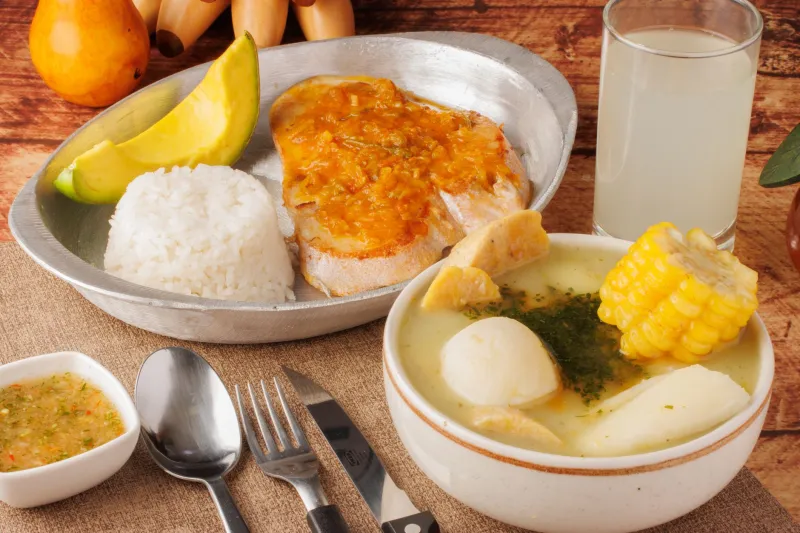
Head to Colón, Bocas del Toro, or any of the Afro-Caribbean communities along Panama's Atlantic coast, and the seafood tradition shifts dramatically. Here, the dominant influences are West African and Caribbean — coconut milk, plantains, and whole conch simmered low and slow until the broth turns silky and fragrant.
Conch stew, or guacho de caracol, is a dish that doesn't get nearly enough attention outside of Panama. It's a thick, hearty preparation built on a base of rice, vegetables, and the slow-cooked conch itself — which, when handled correctly, becomes tender and subtly sweet. The coconut milk ties everything together, and the result is something that feels more like a Caribbean grandmother's Sunday project than anything you'd find on a trendy coastal menu.
The problem is that conch is difficult to source fresh in most American cities, and many cooks simply skip it. But frozen conch, available at Caribbean and Latin grocery stores in cities like Miami, New York, and Houston, works well when properly prepared. Tenderizing it before cooking is non-negotiable — skip that step and you'll be chewing for a while.
The Ingredient Gap That Trips Everyone Up
A lot of the disconnect between authentic Panamanian seafood cooking and what shows up in American kitchens comes down to a handful of key ingredients that are genuinely hard to find outside of specialty stores.
Ají chombo is probably the most important one. It's not interchangeable with jalapeño, Fresno chili, or even habanero — though habanero is the closest substitute if you're in a pinch. The chombo has a particular fruity heat that's central to the flavor profile of dishes like ceviche and escabeche.
Culantro (not cilantro — though yes, they're related) is another big one. It has a stronger, slightly more medicinal flavor than cilantro and appears in a lot of Caribbean-influenced Panamanian cooking. Some Asian grocery stores carry it fresh, and it's worth seeking out if you're trying to get close to the real thing.
Panamanian limes are smaller, more acidic, and more aromatic than standard Persian limes. Key limes are a reasonable approximation, and mixing a little regular lime juice with a splash of lemon can help you get closer to that flavor profile.
What American Chefs Could Learn from Panamanian Fishing Villages
One of the things that makes Panamanian seafood cooking so compelling is its relationship with simplicity and freshness. In communities like La Palma in Darién or the islands of Bocas del Toro, elaborate techniques aren't the point. The point is using what came out of the water that morning and not messing it up.
That philosophy — which sounds obvious but is surprisingly rare in practice — means that seasoning is restrained and purposeful, cooking times are precise, and the seafood itself is always the main character. American restaurant culture has a tendency to bury good fish under sauces, preparations, and presentations that signal effort but sometimes obscure the ingredient.
Panamanian escabeche is a perfect example of this philosophy at work. It's essentially a fried fish preparation finished with a vinegar-based marinade of onions, peppers, and spices. The technique is simple, the flavors are assertive without being aggressive, and the dish improves as it sits — making it one of the great meal-prep dishes that nobody outside of Latin communities seems to know about yet.
Bringing It Home Without Losing the Soul
Here's the good news: you don't need to book a flight to Panama City to cook this food well. You need good fish, a few key ingredients, and a willingness to slow down and pay attention.
Start with the ceviche. Find corvina at a Latin or Caribbean fish market if you can — or use a firm white fish like snapper or striped bass if you can't. Use key limes or a lime-lemon blend. Add a small amount of finely minced ají chombo or habanero. Don't marinate for more than 20 minutes. Taste constantly.
For something more adventurous, try an escabeche with whatever whole fish looks best at your market. Fry it simply, then pour a warm vinegar marinade over the top and let it rest. Serve it at room temperature with white rice and patacones (twice-fried plantains) on the side.
And if you really want to understand what Panamanian coastal cooking is about, find some frozen conch and spend a Sunday afternoon making guacho. It's the kind of dish that doesn't look like much in the pot but tastes like something with a hundred years of history behind it — because it does.