Coconut Milk Isn't Just for Dessert: How Panama's Coastal Cooks Use It to Build Savory Magic
Walk into a kitchen in Bocas del Toro or Colón on a Sunday afternoon and you'll almost certainly smell it — that warm, slightly sweet, deeply rich aroma drifting from a pot that has absolutely nothing to do with dessert. Coconut milk is in there, doing the quiet, unglamorous, essential work that it's always done along Panama's Caribbean coast. And if you've been sleeping on it in your own cooking, this is your wake-up call.
The thing is, coconut milk gets pigeonholed. In American kitchens, it tends to show up in Thai curry recipes or poured over mango sticky rice. It's treated as a specialty item — exotic, occasional, slightly indulgent. In Panamanian coastal cooking, that framing would get you laughed out of the kitchen. Here, coconut milk is infrastructure. It's not the star; it's the stage.
Where It Actually Comes From in Panamanian Food Culture
Panama's culinary relationship with coconut runs deep, and it's no accident. The Caribbean coast has historically been home to Afro-Caribbean communities whose foodways brought coconut-forward cooking into the national kitchen. When those traditions blended with indigenous ingredients and Spanish colonial influences, coconut milk found its footing in places that might surprise you: rice pots, fish stews, bean dishes, and even some braised meat preparations.
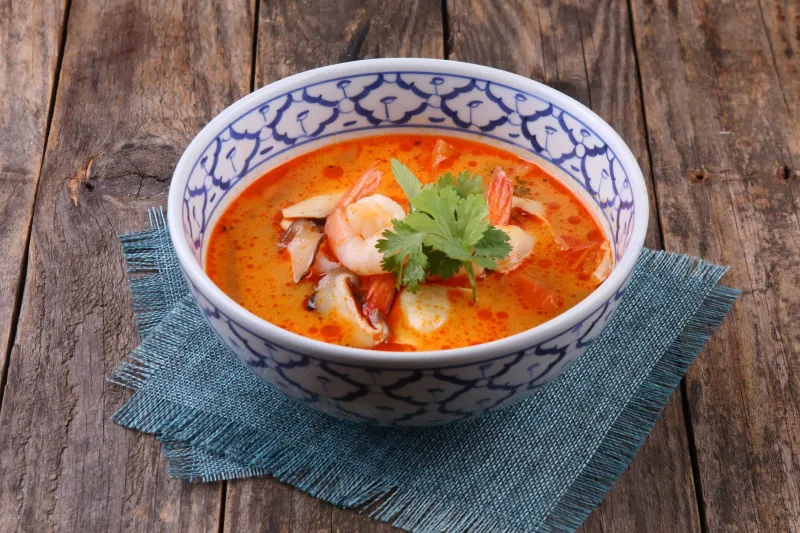
The most iconic example is arroz con coco — coconut rice — which is so fundamental to Caribbean Panamanian cooking that it functions almost like a side dish with citizenship status. But that's just the beginning. Guacho de mariscos, a thick, almost porridge-like seafood stew built on rice and broth, often gets a coconut milk finish that rounds out the salinity of the ocean flavors. Whole fish simmered with ají chombo and coconut milk is a weeknight staple in coastal households. Even some versions of sancocho get a coconut milk addition depending on the region and the cook.
Canned vs. Fresh: The Difference Actually Matters
Let's be real — most of us in the US are working with canned coconut milk, and that's fine. But understanding what you're working with changes how you use it.
Fresh coconut milk, made by grating mature coconut flesh and squeezing it through a cloth with water, has a brightness and a natural sweetness that canned versions can't fully replicate. The fat content is different too — more volatile, more present, with a flavor that cooks off in interesting ways when it hits a hot pan. In Panama, home cooks who grew up making it fresh will tell you there's simply no comparison when it comes to arroz con coco. The rice absorbs differently. The flavor develops differently.
That said, canned coconut milk — particularly full-fat versions — is a genuinely good substitute and produces excellent results in most applications. The key is to avoid the "lite" versions for savory cooking. You need that fat. It's not just flavor; it's texture and body. When you're building a coconut-based fish stew, the fat in full-fat coconut milk emulsifies with the cooking liquid in a way that creates a sauce with actual weight to it. Lite coconut milk gives you thin soup. That's not what we're going for.
If you want to get closer to the fresh experience without cracking coconuts, look for frozen grated coconut at Caribbean or Latin grocery stores. Reconstitute it with warm water and strain it yourself. It takes about ten extra minutes and the flavor payoff is real.
Regional Variations Worth Knowing
Not all Panamanian coconut milk cooking looks the same, and that's part of what makes the ingredient so interesting to explore.
In Bocas del Toro, coconut milk tends to appear in its most assertive form — generous amounts, minimal interference, letting the coconut character dominate. Fish cooked in coconut milk with culantro, ají, and a little onion is a dish of deliberate simplicity. The coconut isn't supporting anything; it's the point.
In the Panama City area and the interior, coconut milk gets used more subtly, often as a finishing element rather than a cooking medium. A splash stirred into a rice pot near the end of cooking. A small amount added to a bean dish to soften the earthiness. It's present but not loud.
The Darién region, with its strong indigenous culinary traditions, uses coconut in ways that blur the line between savory and subtly sweet — preparations where the natural sugar in the coconut milk plays against bitter greens or smoky proteins in genuinely complex ways.
Practical Tips for American Home Cooks
Getting coconut milk to work the way Panamanian cooks use it comes down to a few habits.
Don't skip the toast. When making coconut rice, many Panamanian cooks toast the dry rice in a little oil or rendered coconut fat before adding any liquid. This builds a nutty base that the coconut milk then saturates. The result is layered in a way that plain boiled coconut rice just isn't.
Add it late in stews. Coconut milk can break and turn grainy if it simmers too hard for too long. In most savory stew applications, add it in the last 15 to 20 minutes of cooking, keeping the heat at a gentle simmer rather than a rolling boil.
Season aggressively before you add it. Coconut milk has a softening effect on bold flavors — it rounds off sharp edges. That's a feature, not a bug, but it means your dish needs to be well-seasoned before the coconut goes in, or everything will taste muted.
Shake the can. Sounds obvious, but the fat in coconut milk separates in the can. Shake it thoroughly before opening, or you'll pour out mostly water and leave the good stuff stuck to the bottom.
Coconut milk isn't a secret ingredient in the sense that nobody knows about it. It's a secret in the sense that most people don't know what it's actually capable of when you stop treating it like a specialty item and start treating it like what it is in Panama — a kitchen staple with a serious job to do.