Meet Recado: The Panamanian Spice Paste That's About to Change the Way You Cook Everything
If someone handed you a jar of recado without telling you what it was, your first instinct might be to call it a curry paste. Same deep color, same thick texture, same bold smell that hits you before the lid is even fully off. But take one taste and you'll know immediately — this is something else entirely. Recado doesn't carry the warmth of turmeric or the floral punch of cardamom. It's earthier, more savory, with a backbone of cumin and garlic that anchors it to the Latin American pantry in a way that feels ancient and completely its own.
And yet, if you walk into any grocery store in the US — even the well-stocked ones with entire aisles dedicated to "international" flavors — you're almost certainly not going to find it. Recado is one of the most foundational flavor builders in Panamanian cooking, and it's been flying completely under the radar here for decades.
That changes today.
So What Exactly Is Recado?
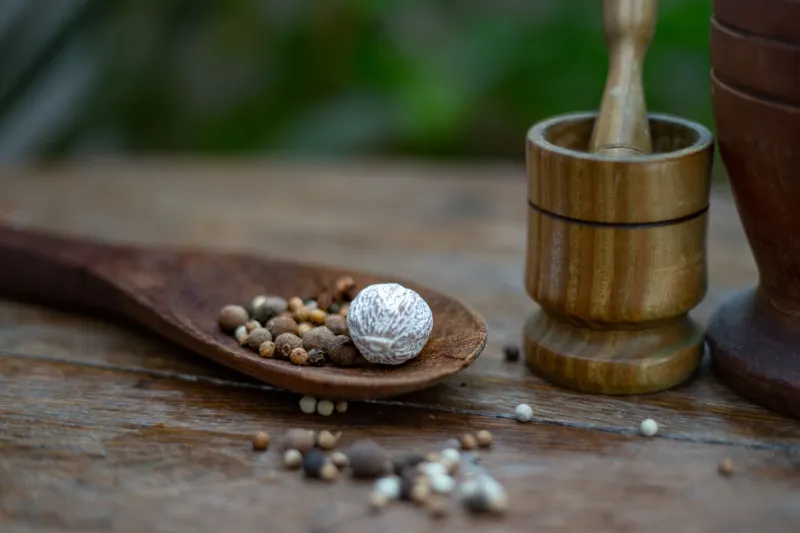
At its core, recado is a spiced paste — a blend of dry and fresh ingredients ground together into something that functions as both a marinade base and a cooking sauce starter. The exact recipe varies by household and region, but the through line in Panamanian kitchens is almost always the same: toasted cumin seeds, garlic, black pepper, oregano, and some kind of acid (usually vinegar or citrus juice) to bring everything together into a cohesive paste.
Some cooks add annatto for color, which is where the visual comparison to other spice blends starts to make sense. Others work in a small amount of dried chili — not for heat, but for depth. What you end up with is something that tastes layered in a way that no single spice can achieve on its own. It's savory and slightly tangy, with an earthiness that gets more complex the longer it cooks.
It's worth being clear about what recado is not. It's not a hot sauce. It's not a seasoning salt. And it's definitely not the same thing as the Yucatecan recado rojo you might have seen referenced in Mexican cooking content online. There's a family resemblance, sure — the word itself shows up across several Latin American and Caribbean food traditions — but Panama's version has its own distinct character, built for the specific dishes that define the country's cuisine.
Why Store-Bought Versions Miss the Point
You can find jarred recado products if you know where to look — certain Latin grocery stores carry them, and a few online retailers stock imported versions. But here's the honest truth: most of what's available commercially is a pale imitation of what you'd get from a Panamanian home cook who learned the recipe from her mother.
The problem is mostly about freshness and toasting. Cumin, which is the soul of a good recado, goes flat fast once it's ground and sitting in a jar. The volatile oils that give it that warm, nutty, almost smoky quality start degrading the moment they're exposed to air. By the time a commercial product has been processed, packaged, shipped, and shelved, you're working with a shadow of the real thing.
Garlic has the same issue. Dried garlic powder and fresh-crushed garlic are not the same ingredient — they just share a name. A scratch-made recado uses fresh garlic, which contributes a sharpness and brightness that no powder can replicate.
Making it yourself takes maybe twenty minutes, and the difference in your finished dish is not subtle.
How to Make Recado From Scratch
This is a foundational recipe — the kind of thing you make on a Sunday afternoon and keep in the fridge for the week ahead.
What you'll need:
- 2 tablespoons whole cumin seeds
- 6 cloves of garlic, peeled
- 1 teaspoon whole black peppercorns
- 1 tablespoon dried oregano (Mexican oregano if you can find it)
- 1 teaspoon achiote powder (optional, but it adds color and a subtle earthiness)
- 2 tablespoons white vinegar
- 1 tablespoon olive oil
- 1 teaspoon salt
The process:
Start by toasting your cumin seeds in a dry skillet over medium heat. You want them fragrant and slightly darkened — about two to three minutes. Don't walk away. Cumin goes from perfectly toasted to burnt in seconds, and burnt cumin is bitter in a way that ruins everything downstream.
Once toasted, let them cool for a minute, then grind them in a spice grinder or mortar and pestle. Add the peppercorns and grind those too. Combine the ground spices with the garlic, oregano, achiote (if using), vinegar, olive oil, and salt in a small food processor or blender. Blend until you have a smooth, thick paste. Add a tiny splash more vinegar if it's too stiff to move.
That's it. Store it in an airtight jar in the fridge for up to two weeks.
Where Recado Actually Belongs in Your Cooking
Here's where things get interesting, because recado isn't a one-trick ingredient. It shows up in Panamanian cooking in ways that sofrito and achiote oil — as useful as both of those are — simply can't replicate.
Meat marinades. Recado is the go-to rub for chicken, pork, and beef before they hit the grill or go into a braise. Rub it directly onto the meat, let it sit for at least an hour (overnight is better), and watch what happens when heat hits it. The garlic caramelizes, the cumin deepens, and the whole thing develops a crust that's savory in a way that's hard to describe until you've tasted it.
Rice and grain dishes. A small spoonful of recado stirred into the cooking liquid for arroz con pollo changes the entire flavor profile of the dish. It's not overpowering — it just makes everything taste more intentional.
Stews and soups. Adding recado early in the cooking process, right after you've softened your aromatics, gives a stew a complexity that builds over the long cooking time. It's particularly good in bean dishes, where the earthiness of the paste plays beautifully against the richness of the legumes.
Roasted vegetables. This one surprises people. Toss root vegetables — yuca, sweet potato, plantain — in a thin coating of recado thinned with a little oil before roasting, and the result is something that tastes far more sophisticated than the effort involved.
The Bigger Picture
Recado is a useful reminder that Panamanian cuisine has a depth of technique and flavor-building that gets consistently underestimated outside of the country. It's not just sofrito. It's not just plantains and rice. There's a whole vocabulary of ingredients and methods at work here, and recado is one of the most important words in that vocabulary.
If you've been cooking Panamanian food — or trying to — without it, you've been working with an incomplete toolkit. Making a batch from scratch is genuinely one of the fastest ways to close that gap, and once you have it in your fridge, you'll find yourself reaching for it constantly.
Start with the recipe above. Marinate some chicken thighs overnight. See what happens.
We're pretty confident you'll be making a second batch before the first one runs out.