Beyond Sofrito: The Aromatic Powerhouses That Actually Run the Panamanian Kitchen
Everybody wants to talk about sofrito. And look, fair enough — it's a legitimate cornerstone of Panamanian cooking, and we've given it its due. But here's what doesn't come up enough in those conversations: sofrito doesn't work alone. Behind every pot of sancocho, every plate of arroz con pollo, every bowl of sopa de mariscos that makes you close your eyes and exhale, there's an entire supporting cast of aromatics doing serious heavy lifting in the background.
These aren't obscure ingredients used once a year at a grandmother's house. They're everyday kitchen workhorses — some of them so common in Panamanian households that cooks barely think about them consciously. They just reach for them. And if you're cooking Panamanian food stateside without them, you're getting close to the flavor, but not quite landing it.
Let's change that.
Culantro: The Herb That Sofrito Wishes It Could Be
If you've ever tasted a Panamanian dish and thought, that's cilantro, but somehow more, you've already met culantro without knowing it. Culantro (Eryngium foetidum) is a long-leafed, serrated herb that grows wild across Central America and the Caribbean. It shares a flavor family with cilantro but it's louder, earthier, and more persistent — it holds its flavor even after extended cooking, which is something cilantro absolutely cannot do.
In Panama, culantro is a non-negotiable. It goes into the base of stews, it gets tucked into marinades, and it shows up in salsas that sit on the table for hours. American cooks often try to swap in cilantro one-for-one and wonder why the depth isn't there. It's because cilantro fades under heat. Culantro doesn't.
Where to find it stateside: Latin grocery stores, Caribbean markets, and Asian supermarkets (it's also popular in Vietnamese and Thai cooking, where it's sometimes labeled "sawtooth herb" or "ngo gai"). Some farmers markets in cities with large Latino or Caribbean populations carry it fresh. And if you want a reliable supply year-round, culantro is surprisingly easy to grow in a pot on a sunny windowsill — it likes humidity and partial shade, which makes it a solid houseplant option in most US climates.
Recaíto: Not a Sauce, Not a Seasoning — Something Better
Recaíto is what happens when you blend culantro with other aromatics — typically ají dulce peppers, onion, garlic, and sometimes a bit of bell pepper — into a loose, deeply green paste. It's related to the Puerto Rican version of the same name, but Panamanian recaíto tends to lean heavier on culantro and lighter on the bell pepper sweetness, giving it a more herbaceous, slightly wild character.
Think of recaíto less as a condiment and more as a flavor concentrate. A spoonful sautéed in oil at the start of a recipe does something that dried spices simply cannot replicate. It blooms. It fills the kitchen with a fragrance that's hard to describe to someone who hasn't experienced it — green and alive and somehow also deeply savory all at once.
You can make a batch and freeze it in ice cube trays, which is exactly what most Panamanian home cooks do. Pop out a cube whenever you're building a rice dish, a bean stew, or a braise. It keeps for months and makes weeknight cooking feel a lot more intentional.
Ají Dulce: The Pepper That Brings Flavor Without the Fire
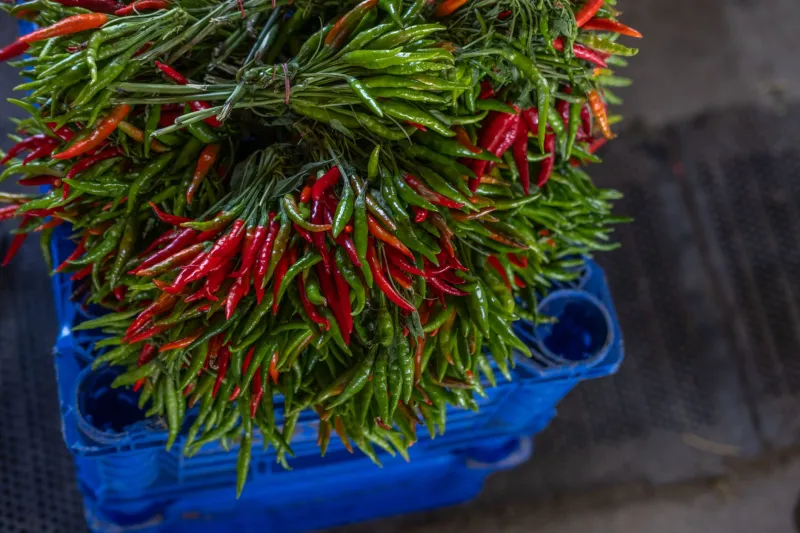
American food culture has a complicated relationship with peppers — you're either chasing heat or avoiding it entirely. Ají dulce sits outside that binary entirely. It looks like a miniature habanero, which tends to alarm people, but it has almost no capsaicin. What it does have is an extraordinary floral, fruity sweetness with a faint smokiness that no other pepper quite replicates.
In Panamanian cooking, ají dulce is used generously and without apology. It goes into the recaíto, it gets chopped fresh into salsas, it flavors rice, and it seasons proteins during marination. The flavor it contributes is subtle but cumulative — dishes made with it have a rounded, complex character that dishes made without it always seem to be reaching for.
Finding ají dulce in the US has gotten easier in the last decade. Latin grocery stores in cities with Puerto Rican, Dominican, or Venezuelan communities typically carry them — those cuisines use them heavily too. Some specialty produce sections at larger grocery chains stock them seasonally. And like culantro, they grow well in containers. If you're already growing a kitchen garden, adding a couple of ají dulce plants is one of the highest-return moves you can make for your Panamanian cooking.
Oregano Panameño: A Completely Different Animal
When a Panamanian recipe calls for oregano, it's probably not talking about the dried Italian herb sitting in your spice rack. Panamanian oregano (Lippia graveolens or a close relative) is a broader-leafed, more pungent variety with a flavor profile that leans toward something between Mexican oregano and thyme. It's earthier and more assertive than Mediterranean oregano, and it can handle long cooking times without turning bitter.
This distinction matters more than most people realize. Using the wrong oregano in a slow-cooked Panamanian stew produces a slightly medicinal, overly floral flavor that doesn't belong there. The right oregano — dried or fresh — adds a warm, herbal backbone that holds the dish together.
Look for it labeled as "Mexican oregano" at Latin grocery stores (the two are similar enough to be interchangeable in most recipes). Whole Foods and specialty spice shops sometimes carry it. In a pinch, marjoram is a closer substitute than Italian oregano.
Building Your Own Aromatic Pantry
The good news for US-based home cooks is that none of this requires a trip to Panama. Between Latin supermarkets, Caribbean grocery stores, Asian markets, and the growing availability of specialty herbs at farmers markets, most of what you need is already accessible in major American cities. And for everything else, a small container garden on a balcony or kitchen counter covers a surprising amount of ground.
The bigger shift isn't logistical — it's conceptual. Panamanian cooking asks you to think about aromatics as the foundation of flavor rather than the finishing touch. The herbs and peppers go in early. They cook down. They become part of the dish's structure rather than decoration on top of it.
Once you start building that foundation with the right ingredients — culantro instead of cilantro, recaíto as your flavor base, ají dulce for sweetness without heat, and Panamanian-style oregano for depth — you stop chasing that something's missing feeling and start actually landing the flavors you've been going for.
Sofrito is a great starting point. But the real Panamanian kitchen? It goes a lot deeper than that.