Two Oceans, One Kitchen: The Seafood Story Panama Never Got Credit For
Ask most Americans to name a great seafood culture, and you'll hear the usual suspects — Japan, Peru, coastal New England, maybe New Orleans. Panama? It almost never makes the list. And honestly, that's one of the stranger blind spots in the American food conversation, because Panama might be sitting on one of the most quietly exceptional seafood traditions anywhere in the Western Hemisphere.
Here's the thing: Panama is the only country in the Americas that borders both the Pacific Ocean and the Caribbean Sea. That's not just a fun geography fact — it's the entire foundation of a food culture. Two distinct bodies of water, each with its own ecosystems, seasonal patterns, and species, feeding a single narrow strip of land. The result is a seafood pantry that most coastal nations would genuinely envy.
A Geography That Does All the Work
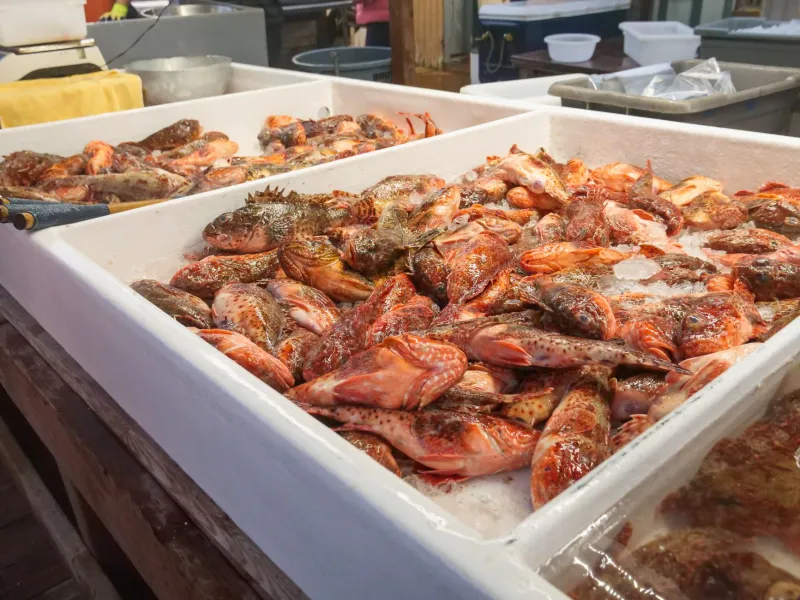
Let's set the scene. On Panama's Pacific side, you've got cold, nutrient-rich upwellings that push enormous schools of fish toward the surface — corvina, snapper, yellowfin tuna, and Pacific shrimp so sweet they barely need seasoning. On the Caribbean coast, the water runs warmer and shallower, producing spiny lobster, king crab, sea bass, and a rotating cast of reef fish that show up in kitchens from Bocas del Toro to Colón.
Then there's the canal. It sounds like a commercial infrastructure story, but the Panama Canal also happens to run through one of the most biodiverse freshwater systems in the region. The rivers and lakes that feed into it have historically supplied freshwater fish — like the prized corvina de río — that show up in rural Panamanian cooking in ways that most outsiders never see.
No other country on earth has this particular combination. Not one. And yet Peru gets the global ceviche crown, Japan gets the sushi reverence, and Panama gets... a shrug.
The Fish That Define the Tradition
If you want to understand Panamanian seafood cooking, start with corvina. This white-fleshed, mild, beautifully textured fish is the backbone of the national seafood identity. It's the fish you'll find in ceviche stands along the Cinta Costera in Panama City, the one being grilled over coals at beach shacks on the Azuero Peninsula, and the one your Panamanian grandmother probably made on Fridays during Lent.
Corvina's neutrality is actually its superpower. It absorbs citrus like a sponge, holds up to garlic and culantro without getting overwhelmed, and grills without falling apart. It's the kind of fish that makes a cook look good.
Beyond corvina, the Panamanian seafood table gets more interesting the deeper you look. Pargo — red snapper — shows up whole-fried at coastal restaurants, its skin crackling and golden. Camarones (shrimp) are eaten in ways ranging from simple garlic butter preparations to rich coconut stews on the Caribbean coast, where Afro-Panamanian culinary traditions fold in ingredients like coconut milk and ñame in ways that feel closer to the Caribbean islands than to Central America.
Then there are the mollusks. Chipichipi — tiny clams — get simmered into soups that are intensely briny and deeply satisfying. Conch, known locally as cambombia, shows up in stews and rice dishes along the coasts. And in the Pearl Islands off the Pacific coast, octopus has been part of the local diet for centuries, long before it became trendy on American tasting menus.
Seasonal Rhythms That Actually Matter
One thing Panamanian coastal cooks understand intuitively that American home cooks often don't: seafood has seasons, and those seasons are worth respecting.
Panama's dry season — roughly December through April — is when Pacific waters are at their clearest and calmest, and the shrimp harvest along the Gulf of Chiriquí peaks. This is the time when roadside ceviche stands are at their absolute best, working with shrimp pulled from the water that morning. The wet season brings rougher seas but also pushes different species closer to shore, shifting what shows up in the markets.
On the Caribbean side, lobster season is a genuine cultural event in places like Bocas del Toro. Local fishing communities have informal rhythms built around protecting juvenile populations — knowledge passed down through generations rather than enforced by regulation — that have kept those fisheries alive in ways that more industrialized approaches haven't always managed elsewhere.
This relationship between Panamanians and the sea is intimate in a way that's hard to replicate when you're buying shrimp from a freezer bag at a big-box store. It's not precious or performative — it's just practical knowledge accumulated over a very long time.
Why It Hasn't Broken Through (Yet)
So why doesn't Panama have the same culinary cachet as Peru or Japan when it comes to seafood? A few reasons, probably.
Peru spent decades building a global culinary diplomacy machine around nikkei cuisine and the ceviche tradition, with chefs like Gastón Acurio becoming international ambassadors for the food. Japan's sushi culture benefited from a wave of global fascination with Japanese aesthetics that extended naturally into the food world. Panama, for all its cosmopolitan energy, hasn't had that same export moment yet.
There's also the fact that Panamanian food in the US has historically been underrepresented even within Latin American restaurant culture. You can find dozens of Peruvian spots in Miami or New York. Panamanian restaurants are considerably harder to come by, which means most Americans simply haven't had the exposure.
But that's changing. Slowly, but it's changing.
What It Tastes Like When You Get It Right
The best way to describe Panamanian seafood cooking to someone who's never experienced it is this: it's confident without being complicated. There's no need to bury the fish under heavy sauces or elaborate preparations, because the fish itself is good enough to carry the dish.
A whole pargo fried in hot oil until the skin blisters and the flesh steams inside. Ceviche made with corvina, lime juice, culantro, and just enough ají chombo to remind you it's there. Coconut rice cooked alongside Caribbean shrimp, the two elements absorbing each other until they become something neither one could be alone.
This is a cuisine that trusts its ingredients. And the ingredients, shaped by two oceans and centuries of cooking knowledge, are more than worthy of that trust.
The US food world has been slow to catch on. But the story of Panama's seafood tradition is too good — and too delicious — to stay quiet much longer.