Dig In: How to Grow the Fresh Herbs and Peppers That Make Panamanian Cooking Come Alive
There's a moment every cook recognizes — that split second when you add a handful of freshly cut cilantro to a simmering pot and the whole kitchen shifts. The fragrance is different. Brighter. More alive. If you've ever cooked with herbs straight from the garden versus the sad plastic clamshell from the grocery store, you already know what we're talking about.
For Panamanian cooking specifically, that difference isn't just noticeable — it's everything. The cuisine is built on fresh, aromatic foundations. Herbs and peppers aren't garnish here; they're load-bearing walls. And the good news? Most of the plants that anchor traditional Panamanian cooking are surprisingly easy to grow right here in the US, whether you've got a sprawling backyard in Georgia or a sunny apartment windowsill in Chicago.
Let's dig in.
Why Fresh-Grown Beats Store-Bought Every Single Time
Grocery store cilantro is picked before peak maturity, chilled for transport, and often sits in a refrigerated display for days before it reaches your cart. By the time it hits your cutting board, a meaningful portion of its essential oils — the volatile compounds responsible for that punchy, citrusy aroma — have already dissipated.
Fresh-cut herbs from your own garden haven't gone through any of that. The oils are fully intact. The leaves are tender. The flavor is concentrated in a way that commercial supply chains simply can't preserve. When you're making a traditional Panamanian sancocho or a batch of sofrito from scratch, using herbs you grew yourself is the closest you'll get to cooking the way home cooks do in Panama City, Chitré, or Bocas del Toro.
Beyond flavor, there's a cultural dimension worth honoring. In Panama, a small kitchen garden — even just a few pots on a balcony — is common in households that take their cooking seriously. Growing your own is a way of participating in that tradition, not just observing it from a distance.
Start With Cilantro (Yes, Even If You've Killed It Before)
Cilantro has a reputation for being fussy, and honestly, it's not entirely undeserved. But most people who struggle with it are making the same few mistakes.
Cilantro hates heat. It bolts — meaning it rushes to flower and seed — when temperatures climb above 75°F consistently. In warmer states like Florida, Texas, or Southern California, your best windows are fall through early spring. In cooler climates like the Pacific Northwest or New England, you can grow it through most of summer without issue.
Tips for success:
- Direct sow seeds rather than transplanting — cilantro has a taproot that doesn't love being disturbed.
- Sow in succession every two to three weeks so you always have fresh growth coming in.
- Partial shade in hot climates slows bolting significantly.
- Keep soil consistently moist but never waterlogged.
For Panamanian cooking, you'll want a steady, reliable supply rather than one big harvest. That succession planting approach is your best friend.
Ají Peppers: The Soul of Panamanian Heat
If cilantro is the aroma, ají is the personality. Panamanian cuisine uses several varieties of ají — most notably ají chombo (a fiery Scotch bonnet-type pepper) and ají amarillo (a fruity, medium-heat yellow pepper common across Latin American cooking). Neither is particularly easy to find fresh at American grocery stores, which makes growing your own genuinely worthwhile.
The good news: peppers are among the most garden-friendly plants out there, especially in warm climates. They love heat, they're relatively drought-tolerant once established, and a single plant can produce prolifically all season long.
Finding heirloom seeds: This is where the adventure starts. Mainstream garden centers rarely stock ají varieties, but specialty seed suppliers have you covered. Check out:
- Semillas.de and Baker Creek Heirloom Seeds for ají amarillo
- Pepper Joe's for Scotch bonnet and related Caribbean-style varieties
- Latin American seed exchanges and online communities on Reddit's r/HotPeppers
Start seeds indoors 8–10 weeks before your last frost date. Peppers are slow to germinate and appreciate bottom heat — a seedling heat mat makes a real difference. Transplant outside once nighttime temps stay reliably above 55°F.
In USDA zones 9–11 (think Southern Florida, coastal California, Hawaii), you may be able to overwinter your ají plants, which means an established root system producing heavily the following year. In colder zones, bring potted plants inside before first frost and treat them like houseplants through winter.
Culantro: The Herb You Didn't Know You Needed
Here's one most American gardeners haven't encountered: culantro (Eryngium foetidum), sometimes called recao or long-leaf cilantro. It looks nothing like regular cilantro — the leaves are long, serrated, and almost cactus-like — but the flavor is similar, just more intense and earthy.
Culantro is used across the Caribbean and Central America, and in Panama it shows up in soups, rice dishes, and slow-cooked stews where it holds up to heat better than cilantro does. Unlike its more famous cousin, culantro actually prefers warm, humid conditions and partial shade, making it a great choice for gardeners in the Southeast and Gulf Coast states who struggle to keep regular cilantro alive in summer.
Seeds are available from specialty tropical plant suppliers and some Caribbean grocery stores. Once established, culantro is a low-maintenance, cut-and-come-again herb that earns its garden real estate quickly.
Oregano, Thyme, and the Supporting Cast
Panamanian cooking also leans on oregano and thyme in ways that might surprise cooks more familiar with Italian or French applications. These are workhorses in marinades, rice dishes, and braised meats — used with a generous hand rather than a cautious pinch.
Both are perennial in most of the US (zones 5 and above for oregano; zones 7 and above for thyme) and genuinely thrive with minimal attention. Plant them once, and they'll come back year after year. Keep them in a sunny spot, let the soil dry out between waterings, and harvest frequently to encourage bushy growth.
For oregano, seek out Mexican oregano (Lippia graveolens) rather than the Italian variety — the flavor profile is closer to what's used in Latin American cooking, with a slightly more citrusy, less medicinal character.
Making It Work in Any Space
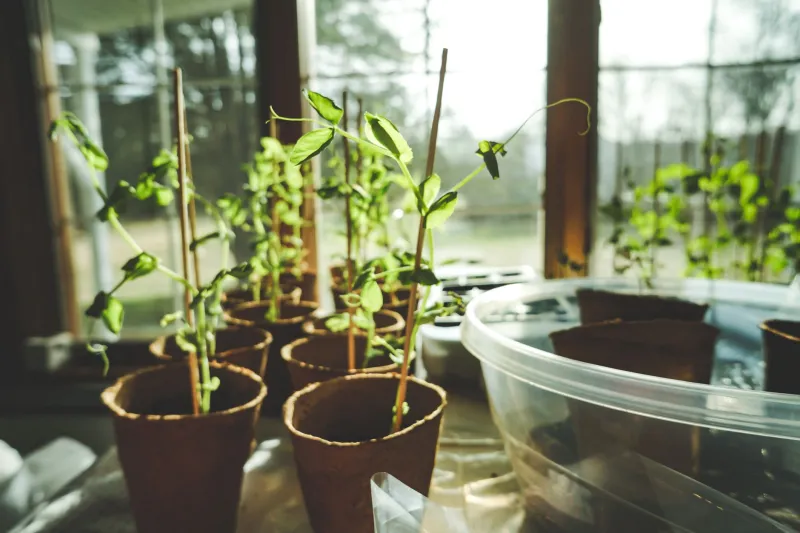
You don't need a yard. Seriously. A south- or west-facing windowsill can sustain cilantro and small herb pots through most of the year. A balcony or patio with a few large containers can comfortably support ají pepper plants, culantro, and a rotating cilantro crop simultaneously.
If you're container gardening, a few pointers:
- Go bigger than you think you need — larger pots retain moisture more consistently and give roots room to spread.
- Use a quality potting mix with good drainage; herbs hate sitting in soggy soil.
- Feed with a balanced liquid fertilizer every few weeks during the growing season.
From Garden to Table
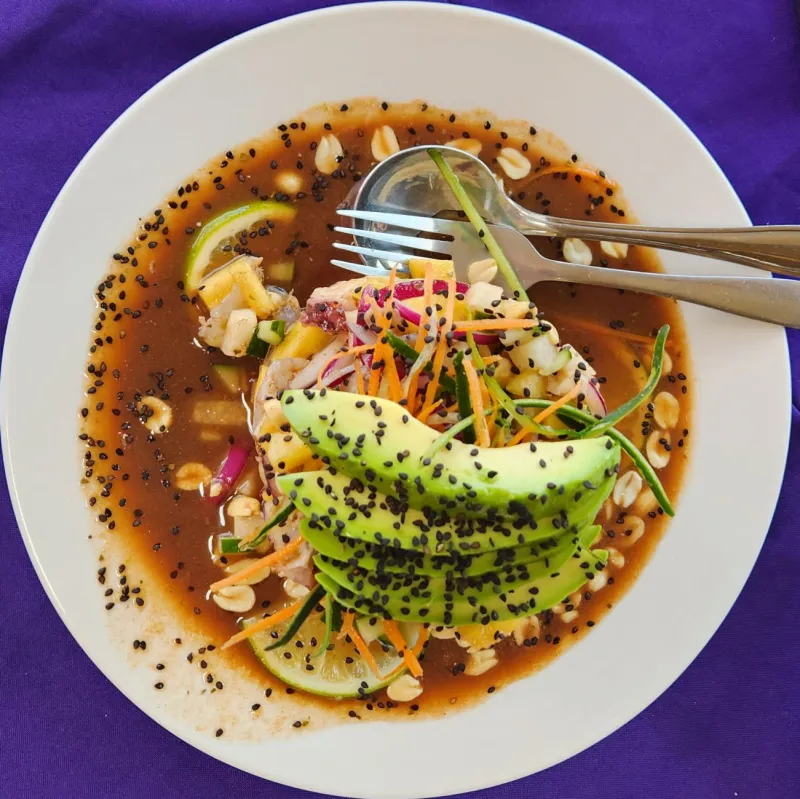
Once you've got fresh herbs and peppers growing, the payoff is immediate. Snip cilantro directly into your sofrito while it's building in the pan. Dice a fresh ají chombo into your ceviche marinade. Toss a sprig of culantro into your sancocho pot and taste the difference it makes versus dried herbs or a store-bought bunch that's been refrigerated for a week.
This is what Panamanian home cooking has always been about — using what's fresh, what's close, and what's full of life. Growing your own ingredients doesn't just improve the food. It connects you to the culture behind it in a way that no grocery run ever quite can.
So grab some seeds, find a sunny spot, and start digging. Your kitchen will thank you all season long.