Green, Yellow, Black: The Plantain Color Code That Changes Everything About How You Cook
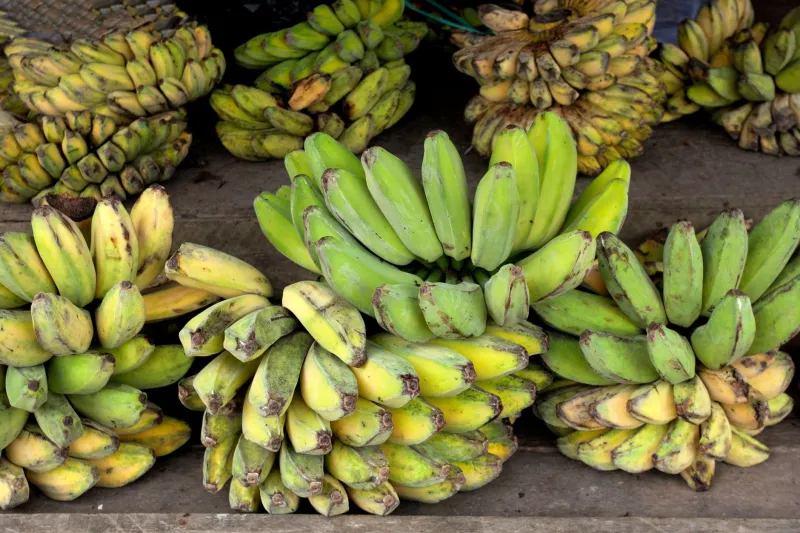
Walk through the produce section of almost any grocery store in the US right now and you'll spot them — those big, thick, banana-looking things stacked in a bin, usually green, occasionally yellow, sometimes confusingly labeled as both "plantains" and "cooking bananas." People pick them up, squint at them, and then either put them back or toss them in the cart with zero idea what stage of ripeness they're dealing with.
That's the plantain paradox. They're everywhere. They're affordable. And yet they remain one of the most misunderstood ingredients on American shelves — even as Panamanian and Caribbean food keeps gaining ground in US home kitchens.
In Panama, this isn't a mystery. It's just knowledge you absorb growing up. You know what color plantain goes with what dish the same way you know not to put ketchup on a steak. The color isn't just aesthetic — it tells you everything about texture, sugar content, and how the plantain will behave in a hot pan. Let's break it down.
Why Plantains Aren't Just Big Bananas
First things first: plantains and bananas are related, but they're not the same thing. Plantains have a much higher starch content and much lower sugar when they're unripe. That starch is the whole point. It's what gives a green plantain its firm, almost potato-like density, and it's what makes it ideal for frying into tostones — those twice-fried, smashed discs that are basically the French fries of Panamanian cuisine.
As the plantain ripens, the starch converts to sugar. The skin goes from green to yellow to deeply spotted to almost entirely black. Each stage produces a fundamentally different ingredient. And here's where American home cooks keep tripping up: they buy green plantains thinking "fresh is better," then try to sweeten them or cook them gently, and end up with something starchy and bland that bears no resemblance to what they ordered at that Panamanian restaurant.
The Green Stage: Starchy, Firm, and Built for Frying
A fully green plantain is essentially a savory vegetable. Don't try to eat it raw — it's dense, starchy, and borderline unpleasant. But hit it with high heat and it transforms.
This is the stage for tostones. You slice the plantain into thick rounds, fry them until golden, smash them flat with the bottom of a glass or a tostonera (a traditional wooden press), and fry them again until crispy. The result is salty, crunchy, and deeply satisfying. In Panama, you eat these with ceviche, with grilled fish, with beans, or honestly just with hot sauce and nothing else.
Green plantains are also the base for patacones — essentially the same thing, just with regional naming — and for boiling and mashing into a side dish similar to mashed potatoes. If you're buying green plantains, commit to savory preparations. Do not wait for them to ripen on your counter if you're planning tostones — that window closes fast.
Practical tip: Peel a green plantain by cutting off both ends, scoring the skin lengthwise, and prying it off in sections. The skin is thick and doesn't peel like a banana. Don't fight it — just score and pry.
The Yellow Stage: The Awkward Middle Ground
A plantain that's fully yellow with maybe a few black spots is ripe but not sweet-ripe. This is the stage most Americans grab at the grocery store because it looks familiar — it looks like a banana, basically. And this is where the confusion really kicks in.
At this point, the plantain has some sweetness but still has enough structure to hold its shape when sliced and cooked. In Panamanian kitchens, you might use a plantain at this stage for a quick pan-fry in a little butter or oil — sliced lengthwise into planks, cooked until golden and slightly caramelized on the edges. It's softer than a tostone, slightly sweet, and works well alongside rice and protein dishes.
But don't try to make tostones with a yellow plantain. They'll fall apart when you smash them. And don't try to make maduros — the sweet, caramelized version — with one either. You'll get something halfway between both and satisfying as neither.
The Black Stage: Where the Magic Happens
This is the one that makes Americans nervous. A plantain with a skin that's mostly black or completely black looks overripe, looks like it's gone bad, looks like something you'd throw away without a second thought. That instinct is wrong, and it's costing you the best part of the plantain experience.
A black-skinned plantain is fully ripe. The starch has converted almost entirely to sugar. When you peel it, the flesh is soft, fragrant, and deeply sweet. This is what you use for maduros — those glossy, caramelized slices that show up alongside rice and beans, next to grilled chicken, or as a side at any Panamanian family table worth sitting at.
To make maduros, you slice the plantain diagonally into thick pieces and pan-fry in oil over medium heat until the sugars caramelize and the surface turns deep amber. The inside gets soft and almost jammy. The outside gets slightly crisp. It's sweet, rich, and absolutely nothing like a tostone — which is exactly the point. These are two completely different ingredients that happen to start as the same fruit.
Practical tip: If you've bought plantains and they're yellowing faster than you expected, don't panic. Let them go black. Stick them in the fridge once they're at the black stage to slow things down if you're not ready to cook yet. The skin will blacken further in the fridge but the flesh will be fine.
How to Shop for Plantains Like You Know What You're Doing
Here's the move: decide what you're cooking before you buy. Going for tostones? Grab the firmest, greenest plantains in the bin. Making maduros? Look for plantains that are heavily spotted or mostly black — and if the store only has green ones, you'll need to leave them on your counter for four to seven days, depending on the temperature in your kitchen.
Latin grocery stores typically have plantains at multiple stages of ripeness because their customers actually need them that way. If your nearest store only stocks green plantains, plan ahead. The ripening process isn't complicated — it just takes patience.
Avoid anything that feels mushy or has broken skin leaking liquid. That's actually overripe in a way that doesn't serve you. A black plantain should still feel slightly firm when you press it, with some give — not completely squishy.
The Bigger Picture
Plantains aren't a side note in Panamanian cooking. They're central to it — present at breakfast, lunch, and dinner in different forms depending on their ripeness and how they're prepared. Understanding the ripeness spectrum isn't a culinary trick. It's the foundation.
Once you get it, the whole thing clicks into place. You stop buying green plantains and wondering why your maduros taste like cardboard. You stop letting perfectly good black plantains go to waste because they "looked bad." You start cooking with confidence instead of guesswork.
And honestly? That's when Panamanian cooking stops feeling like a cuisine you're trying to replicate and starts feeling like one you actually understand.