Where Africa, the Caribbean, and Latin America All Meet in a Single Bite
Most people, when they think about Panama, picture the Canal. That narrow stretch of engineered water connecting two oceans has been moving cargo and changing history for over a century. But here's what the travel brochures usually skip: the Canal didn't just move ships. It moved people. And people carry their food with them.
Panamanian cuisine is the edible result of centuries of migration, colonization, and cultural collision. It's not fusion in the trendy, chef-driven sense of the word. It's something older and more organic — a kitchen built by necessity, shaped by whoever arrived next, and held together by the land itself. Understanding where those flavors come from doesn't just make you a better cook. It makes every meal feel like a history lesson you actually want to attend.
The African Foundation That Most People Miss
Let's start where the conversation usually doesn't: West Africa.
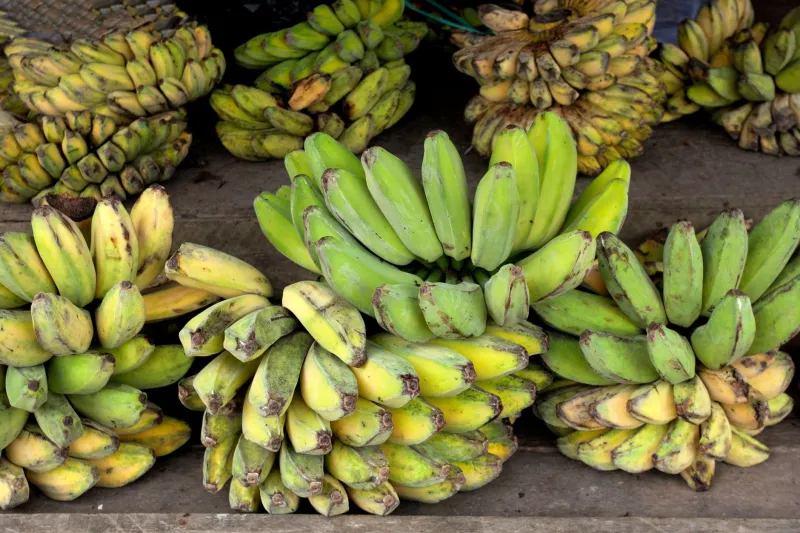
During the transatlantic slave trade, enslaved Africans were brought to Panama to work on Spanish colonial projects long before the Canal was even a concept. They brought seeds, techniques, and food traditions that quietly became the backbone of Panamanian cooking. Plantains — arguably the most iconic ingredient in the entire cuisine — have African roots. So does the tradition of slow-cooking tough cuts of meat until they fall apart in a rich, deeply seasoned broth.
The use of coconut milk along Panama's Caribbean coast? African influence. The way rice is cooked with beans until they absorb each other's flavor? That too. Even the instinct to waste nothing — to turn chicken feet into stock, to use every part of a fish — reflects a culinary philosophy rooted in African cooking traditions that survived the Middle Passage and took hold in new soil.
For home cooks in the US, this is worth sitting with. When you make arroz con pollo or a pot of beans and rice that tastes like something your grandmother would've approved of, you're participating in a lineage that stretches across an ocean and several centuries.
The Caribbean Neighbors Who Brought the Heat
Panama's Caribbean coastline isn't just a pretty backdrop. It's a cultural corridor that has been in constant conversation with Jamaica, Barbados, Trinidad, and other island nations for generations. When the Canal construction ramped up in the late 1800s and early 1900s, tens of thousands of workers arrived from the English-speaking Caribbean — and they brought their pantries with them.
This is where you start to see ingredients like scotch bonnet peppers, allspice, and culantro (not to be confused with cilantro — it's broader, stronger, and way more assertive) weaving into Panamanian recipes. The Caribbean influence also shows up in the way Panamanians season meat before cooking: long marinades, bold aromatics, a patience with flavor-building that feels more island than mainland.
In the Bocas del Toro region and along the Atlantic coast, you'll find dishes that would feel at home in Kingston or Bridgetown — rice cooked in coconut milk, whole fish rubbed with spice blends, stews that lean savory-sweet in a way that's distinctly Caribbean. These aren't borrowed recipes. They've been adapted, localized, and claimed over generations until they became genuinely Panamanian.
For American cooks, the takeaway here is simple: don't sleep on culantro. You can find it at most Latin grocery stores and some Asian markets, and a few leaves added to a broth or marinade will give your cooking a depth that dried spices simply can't fake.
The Spanish Colonial Layer and Its Lasting Grip
Spain colonized Panama for nearly three centuries, and that history shows up everywhere in the kitchen. The emphasis on olive oil (or lard, depending on the region), the use of sofrito as a building block, the pairing of pork with everything — these are Spanish signatures that became so embedded in Panamanian cooking that they no longer feel like imports.
Spanish colonizers also introduced cattle and pigs to the region, which fundamentally changed how Panamanians ate. Before that, the diet was more heavily plant-based and seafood-forward. After colonization, pork fat became a cooking medium, beef found its way into stews, and the Sunday roast became a cultural institution that still holds strong today.
The Spanish influence is also responsible for Panama's love of rice as a daily staple — a preference that merged with African and indigenous traditions to create the rice-centric cuisine that defines the country today. When you're cooking a Panamanian dish and you find yourself reaching for garlic, onion, and tomato as your starting point, you're following a Spanish blueprint that's been running for five hundred years.
Indigenous Roots That Were Never Replaced
Before any of the above, there were Panama's indigenous communities — the Guna, the Emberá, the Ngäbe-Buglé, and others. Their contributions to the food culture are quieter but no less real. Corn, yuca, ñame, and a variety of tropical tubers were staple foods long before anyone else arrived, and they remain central to Panamanian cooking today.
The indigenous tradition of cooking over open fire, of wrapping food in banana leaves to steam and infuse it with subtle earthy flavor, of using local plants for both seasoning and medicine — these practices survived colonization and continue to shape how rural Panamanians cook. Dishes like tamales wrapped in bijao leaves or corn-based drinks like chicha carry this lineage forward.
For US cooks trying to go deeper with Panamanian flavors, experimenting with yuca as a potato substitute or trying your hand at a banana leaf steam packet is a low-risk, high-reward way to connect with that indigenous layer.
How to Cook With All of This in Mind
You don't need a history degree to cook Panamanian food well, but understanding these layers makes you more intentional about what you're doing. When you build a sofrito, you're drawing on Spanish, African, and indigenous traditions simultaneously. When you add coconut milk to a fish stew, you're nodding to the Caribbean. When you slow-braise a tough cut of pork until it's silky and rich, you're cooking the way enslaved Africans cooked when they had to make something extraordinary from very little.
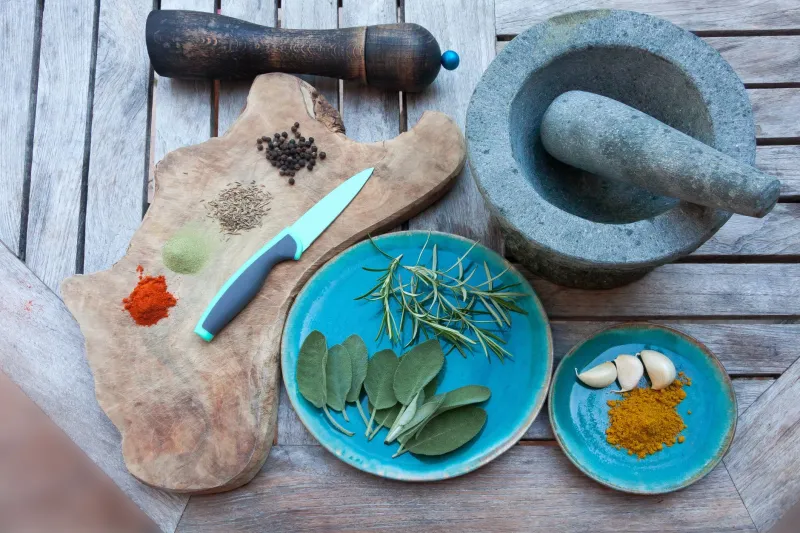
The spice cabinet that makes Panamanian food taste the way it does isn't complicated. Cumin, oregano, achiote, culantro, scotch bonnet, allspice, and garlic do most of the heavy lifting. But knowing why those particular ingredients ended up together — knowing the ships and the people and the history behind each one — gives your cooking a kind of intentionality that technique alone can't provide.
Panama is a small country with an outsized story. And every time you cook from its tradition, you're telling a little piece of that story yourself.