What Makes Panamanian Black Beans So Good? The Answer Is in the Method
Black beans are everywhere. You'll find them in Cuban rice dishes, Brazilian feijoada, Tex-Mex burritos, and a hundred different canned versions lining grocery store shelves across the US. So why is it that when you sit down to a bowl of black beans made the Panamanian way — cooked low and slow, layered with aromatics, served with a knowing confidence — it feels like something entirely different? Like you've been eating a rough draft this whole time and someone just handed you the final version.
The answer isn't magic. It's method. And once you understand it, you'll never look at a can of beans the same way again.
Beans as a Foundation, Not a Side Note
In a lot of American cooking contexts, beans are an afterthought. They get opened from a can, rinsed, tossed into a dish, and called done. In Panamanian kitchens, that would be borderline offensive. Black beans — frijoles negros — aren't a supporting character. They're often the whole point.
For generations, Panamanian families have built meals around beans. A pot of well-made black beans means you have something to eat with your rice, something to spoon over patacones, something to stretch a meal when money is tight and company shows up unannounced. That cultural weight matters, because it means generations of cooks have had serious motivation to get the beans right. And they have.
The relationship between Panamanians and black beans goes back centuries, deeply tied to Indigenous agricultural traditions and later shaped by African culinary influence brought through the transatlantic slave trade. Those African cooking techniques — the low heat, the long simmer, the instinct to build flavor in the pot before the main ingredient even arrives — are baked into the Panamanian approach to beans in ways most people don't consciously recognize.
The Slow Cook Is Non-Negotiable
If there's one thing that separates a Panamanian pot of black beans from most American versions, it's time. Not just cooking time — though that matters — but the willingness to let every stage of the process breathe.
Dried beans get soaked overnight. Not because the recipe says so, but because the cook knows it changes the texture, reduces the cooking time, and makes the final product more digestible and more flavorful. After soaking, they go into a pot with fresh water and start their long journey over low heat. No rushing. No pressure cooker shortcuts (at least not in the traditional sense). The beans slowly soften, and as they do, they release their natural starch into the cooking liquid, creating a broth that's thick, slightly velvety, and deeply savory.
That liquid — what some home cooks in Panama just call el caldo — is not a byproduct. It's the goal. A properly cooked pot of Panamanian black beans produces a broth that can stand on its own as a sauce, a base, or something to sip straight from a cup on a cold morning.
The Flavor Layering That Changes Everything
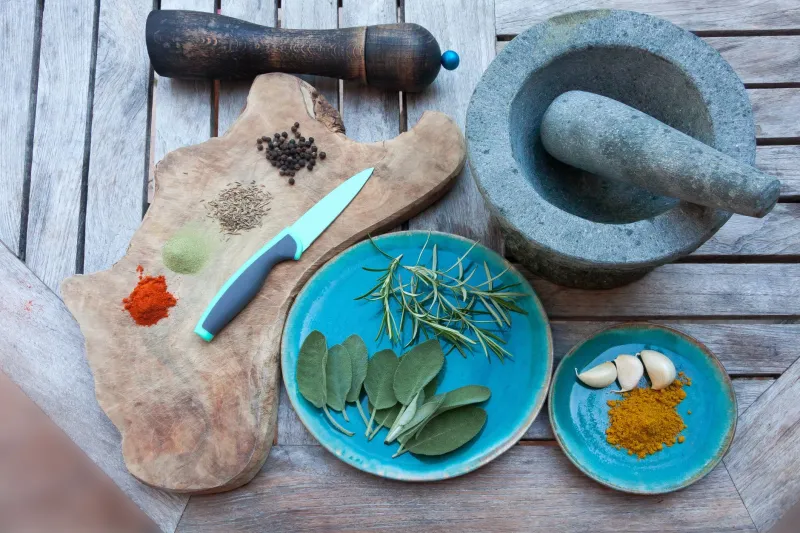
Here's where the Panamanian technique really separates itself from the crowd. While the beans are doing their slow simmer, a separate operation is happening on the side of the stove. A sofrito — built from culantro (not cilantro, though cilantro works in a pinch), ají chombo or mild peppers, onion, garlic, and sometimes a small piece of ají dulce — gets cooked down in oil until it's fragrant and deeply reduced.
This sofrito gets added to the beans partway through cooking, not at the end. That timing is intentional. Adding it mid-cook means the aromatics have time to fully integrate into the broth, rather than sitting on top of the flavor like a garnish. By the time the beans are done, the sofrito has essentially dissolved into the liquid, becoming part of the foundation rather than an accent.
Salt comes late — another critical detail. Salting beans too early can toughen the skins and slow down cooking. Experienced Panamanian cooks salt toward the end, adjusting as the broth concentrates.
Some cooks add a small piece of smoked meat — a ham hock, a bit of tocino, or smoked pork ribs — during the cook. Others keep it completely plant-based. Both versions are legitimate, and both are delicious. The difference is in what the family prefers, not in what the recipe demands.
Why Sourcing Actually Matters Here
Not all black beans are the same, and this is a conversation worth having. Beans grown in different regions have different flavor profiles, different starch contents, and different textures after cooking. Panamanian black beans — particularly varieties grown in the Chiriquí highlands — tend to be smaller, denser, and more intensely flavored than the commodity black beans most US grocery stores carry.
If you're serious about replicating the flavor, it's worth seeking out dried black beans from Latin American markets, particularly those that source from Central or South America. Many cities with larger Latino communities will have tiendas or mercados that carry better-quality dried beans than what's on the shelf at a big box grocery store. Online retailers specializing in Latin pantry goods are another solid option.
The quality difference is real. Commodity black beans cooked perfectly will still taste like commodity black beans. Better-sourced beans cooked with the same technique will taste like something you'd find on a Panamanian grandmother's stove.
How to Bring This Into Your American Kitchen
You don't need special equipment or hard-to-find ingredients to start cooking beans the Panamanian way. You need dried beans, time, and a willingness to build your flavors in stages.
Start the night before. Soak a pound of dried black beans in cold water overnight. Drain and rinse before cooking.
Build your sofrito separately. Sauté diced onion, minced garlic, a seeded ají chombo or half a jalapeño, and a handful of chopped culantro or cilantro in a bit of oil until softened and fragrant — about 8 to 10 minutes over medium heat.
Cook the beans low and slow. Cover drained beans with fresh water by about two inches. Bring to a boil, then reduce to a low simmer. Add the sofrito after about 45 minutes of cooking.
Salt late. Add salt only in the last 20 to 30 minutes. Taste and adjust.
Let the broth do its thing. If the liquid is thin, remove the lid for the last 15 minutes and let it reduce slightly. You want the broth to be thick enough to coat a spoon.
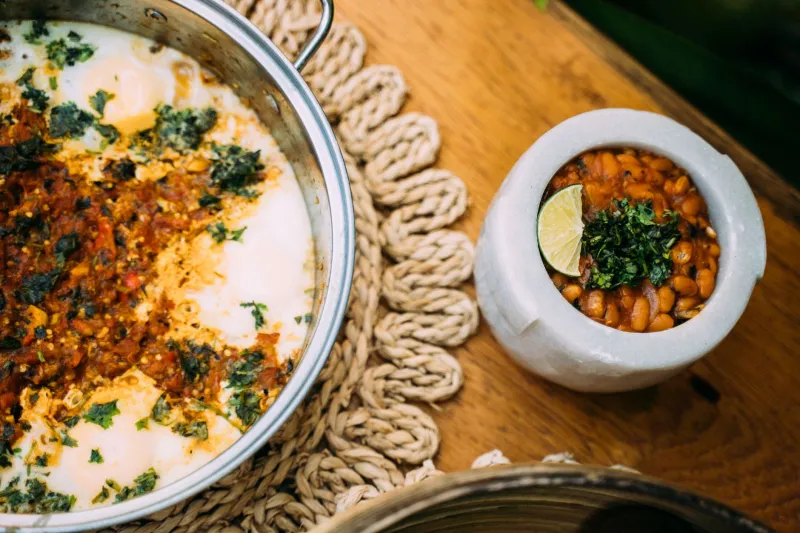
Serve over white rice, alongside patacones, or just in a bowl with a squeeze of lime and a piece of crusty bread. However you eat them, you'll understand pretty quickly why Panamanian cooks have been putting this kind of care into a pot of beans for generations.
Some things are simple. That doesn't mean they're easy. And when you get them right, they taste like everything.