Start Small, Cook Big: A Budget-Savvy Guide to Stocking Your Panamanian Spice Cabinet
Here's a trap a lot of home cooks fall into: they get excited about a new cuisine, make one big grocery run, and end up with a cabinet full of half-used jars that slowly lose their punch before the next dinner party. Panamanian cooking is rich, layered, and deeply aromatic — but it doesn't require you to go broke or overwhelmed to get there. The secret is building your collection gradually, intentionally, and without duplicating what you probably already own.
Let's talk about how to do that.
First, Audit What You've Already Got
Before you spend a single dollar, open your spice drawer and take stock. Panamanian cooking draws on a surprisingly familiar pantry for American home cooks. Cumin, oregano, black pepper, and garlic powder? You've probably got those. Bay leaves, paprika, and dried thyme? Likely already sitting in there somewhere.
The point isn't that Panamanian food is generic — far from it. It's that the cuisine builds complexity through combination and technique, not necessarily through exotic ingredients that are impossible to find. That's actually great news for your wallet.
Once you know what you have, you can focus your spending on the ingredients that genuinely set Panamanian food apart.
The Tier One Essentials: Start Here
If you're going to invest in anything first, make it these. These are the ingredients that show up constantly in Panamanian cooking and that you simply can't fake with substitutes.
Culantro (not cilantro) — This one trips people up. Culantro is a long, serrated leaf with a much more intense flavor than its look-alike cousin cilantro. It's foundational to Panamanian sofrito and shows up in soups, stews, and rice dishes. Look for it fresh at Latin grocery stores, Caribbean markets, or Asian supermarkets (it's used in Southeast Asian cooking too, so it travels well across ethnic grocers). Dried culantro exists, but fresh is worth the hunt.
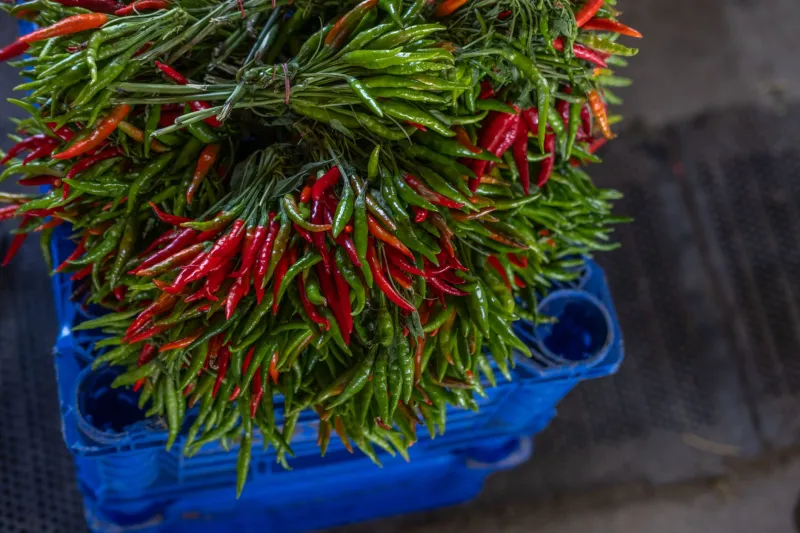
Ají chombo — Panama's signature hot pepper. It's in the same family as Scotch bonnets and habaneros, bringing fruity heat that's distinctly Caribbean in character. You can find it jarred, as a hot sauce, or sometimes fresh at Latin markets. If you're in a city with a decent-sized Caribbean or Panamanian community, you may even find it at a farmers market.
Sazón seasoning — You can buy pre-made blends, but read the label carefully. The best ones contain achiote (annatto), cumin, garlic, and coriander. Goya makes a widely available version, but smaller Latin brands often have better quality. Check the international aisle at Walmart, Kroger, or any grocery store with a decent Latin section.
Achiote paste or powder — This is what gives Panamanian rice and stews their warm golden-orange color. It's earthy, slightly peppery, and completely irreplaceable. Achiote seeds are also an option if you want to make your own oil infusion, which stretches the ingredient even further.
Tier Two: The Flavor Builders Worth Adding Next
Once your Tier One is in place, these are the ingredients that take your cooking from good to genuinely impressive.
Dried oregano (Mexican or Latin-style) — If you've only ever cooked with Mediterranean oregano, you'll notice a difference. Latin oregano has a stronger, slightly more robust flavor. It's inexpensive and widely available.
Whole cumin seeds — Yes, you probably have ground cumin. But toasting and grinding whole seeds when you need them makes a noticeable difference in freshness. A small bag costs almost nothing and lasts a long time.
Coconut milk (canned) — Essential for Afro-Panamanian coastal dishes and rice preparations. Buy it in bulk when it's on sale. It keeps well in the pantry and you'll use it more than you think.
Plantain chips or tostones-ready green plantains — Not a spice, obviously, but worth mentioning because they're a staple side and snack that should always be within reach. Goya and Inka brands are easy to find at major US grocery chains.
Where to Shop Without Overspending
You don't need a specialty Panamanian grocery store — though if you're lucky enough to live near one, absolutely go. For most American cooks, here's the sourcing reality:
Latin grocery stores are your best bet for fresh culantro, ají chombo, achiote products, and regional spice blends. Prices are almost always better than mainstream supermarkets, and the quality tends to be higher for these specific ingredients.
Asian supermarkets (H Mart, 99 Ranch, Seafood City for Filipino communities) often carry culantro, achiote, and coconut products at great prices.
Amazon and online Latin grocers like MiTienda or Melissa's Produce are solid options for pantry staples, especially if you live somewhere without easy access to Latin markets. Buying in slightly larger quantities online often brings the per-unit cost down significantly.
Buying in bulk smartly — Spices lose potency over time, so bigger isn't always better. A good rule: buy whole spices in moderate quantities, grind as needed, and store properly. You'll get more flavor and less waste.
Storage Tips That Actually Matter
Good ingredients are an investment, and bad storage is how you throw money away. A few practical rules:
- Keep spices away from heat and light. That means not above the stove, no matter how convenient it looks.
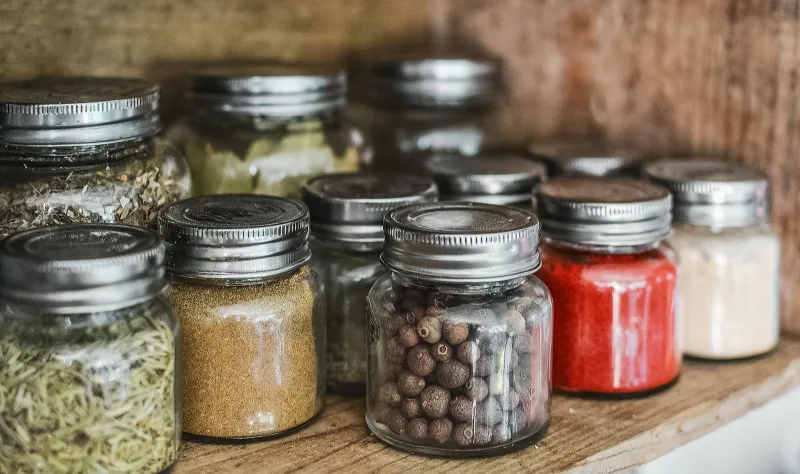
- Airtight containers are worth it. Glass jars with tight lids are inexpensive and make a real difference in longevity.
- Fresh herbs like culantro can be stored in the fridge wrapped in a damp paper towel inside a zip-lock bag, or frozen in small portions blended with a little oil or water. Freezing culantro is actually common in Panamanian households — it's a practical tradition, not a shortcut.
- Achiote paste keeps well refrigerated after opening. Achiote seeds can sit in a cool, dark cabinet for months.
- Label everything with a purchase date. Ground spices are best within six months to a year. Whole spices stretch a bit longer.
The Long Game
Building a Panamanian spice cabinet isn't a one-trip project — and it shouldn't be. The cooks who do it well are the ones who add things as recipes call for them, learn what each ingredient actually does, and gradually develop an intuition for the flavor combinations that make this cuisine so distinctive.
Start with Tier One. Cook a few dishes. Notice what's missing. Then add Tier Two, and keep going from there. By the time you've worked through a handful of recipes, you'll have a cabinet that's genuinely useful — not just full.
Panamanian food is generous in spirit. Your pantry can be too, without costing you a fortune to get there.