Morning in Panama: How Bollos, Carimañolas, and Huevos Revueltos Can Transform Your Weekend Breakfast Routine
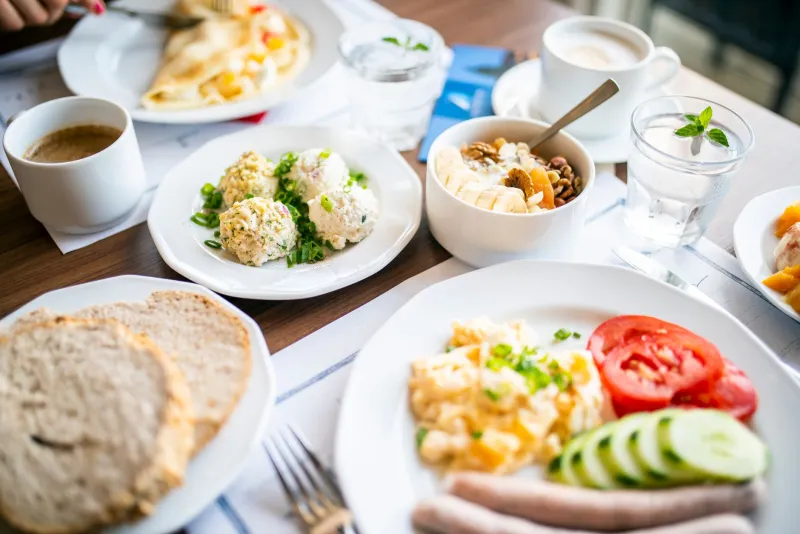
Somewhere between the scrambled eggs and the cold brew, American breakfast culture got a little... predictable. Don't get us wrong — there's nothing wrong with a solid plate of eggs and toast. But if you've ever sat down to breakfast in Panama, you already know that mornings there hit differently. The smells alone — warm masa, frying yuca, sofrito sizzling in a pan — are enough to make you rethink everything you thought you knew about the first meal of the day.
Panamanian breakfast isn't trendy. It hasn't been packaged up and sold at brunch spots in Brooklyn or Austin (yet). But it absolutely deserves a place in US home kitchens, especially on weekends when you actually have the time to cook something that matters. Let's break down the three dishes that anchor the traditional Panamanian morning table and talk about how to pull them off at home.
Bollos: The Humble Corn Package You'll Be Obsessed With
If you've never heard of a bollo, the simplest description is this: seasoned corn masa wrapped in a corn husk or banana leaf and steamed until it's tender, slightly dense, and deeply satisfying. But that description doesn't do it justice.
Bollos come in regional variations across Panama. In some provinces, they're made plain and served alongside salty cheese or fried fish. In others — particularly along the Caribbean coast — they're stuffed with pork, chicken, or even sweet coconut fillings. The Afro-Panamanian culinary tradition plays a huge role in the coconut and spiced meat variations, and that influence gives bollos a flavor depth that sets them apart from anything you'd find in a standard tamale.
To make bollos at home, you'll need:
- Masa harina (Maseca works, but look for a coarser grind if you can find it at a Latin grocery store)
- Dried corn husks or banana leaves (both are widely available at Latin and Asian supermarkets, or online)
- Salt, a little lard or shortening for fat, and warm water or chicken broth
The technique is straightforward: mix your masa with fat, salt, and enough warm liquid to reach a pliable but not sticky dough. Soak your husks or banana leaves in hot water to make them flexible, then spread a thin layer of masa, add your filling if using one, fold and tie the package, and steam for 45 minutes to an hour. The result should peel away cleanly from the wrapper, with a slightly firm outer texture giving way to something tender and fragrant inside.
One pro tip: don't skip the resting step. Let your bollos sit for 10 minutes after steaming before you unwrap them. That brief rest lets the masa set up properly so you don't end up with a crumbly mess.
Carimañolas: The Yuca Fritter That Changes Everything
If bollos are the patient, slow-cooked heart of the Panamanian breakfast, carimañolas are its loud, crispy, impossible-to-stop-eating counterpart. These are torpedo-shaped yuca fritters — stuffed with a savory meat filling, sealed, and fried until the outside shatters like the world's best croquette while the inside stays soft and pillowy.
The filling is typically ground beef or pork cooked down with onion, garlic, tomato, ají chombo (a Panamanian hot pepper), and herbs — essentially a miniature version of the sofrito-based flavor base that shows up across Panamanian cooking. Some cooks add hard-boiled egg to the filling. Others keep it simple. Either way, the contrast between that savory, lightly spiced center and the fried yuca shell is genuinely one of the great textural experiences in Latin American food.
Finding yuca in the US has gotten a lot easier. Most Latin grocery stores carry it fresh year-round, and frozen yuca — already peeled and cut — is available at many mainstream supermarkets and on Amazon. For carimañolas, fresh yuca gives you the best texture, but frozen works in a pinch.
The key to getting the yuca shell right:
- Boil your yuca until it's completely tender — more than you think you need. Undercooked yuca will crack when you try to shape it.
- Mash it while it's still hot, remove any fibrous strings from the center, and work it until smooth.
- Shape a portion of mash into a flat oval in your palm, add a spoonful of filling, then carefully fold and seal the edges, smoothing out any cracks.
- Fry in oil at 350°F until golden brown, turning once — about 4 to 5 minutes per side.
Serve them immediately. Carimañolas do not wait gracefully.
Huevos Revueltos, Panamanian-Style: The Detail That Makes All the Difference
Scrambled eggs are scrambled eggs, right? Not in Panama. What separates a plate of Panamanian huevos revueltos from a standard American scramble is entirely about what goes into the pan before the eggs do.
The Panamanian approach starts with culantro (not cilantro — though that works too), onion, and tomato cooked briefly in oil until softened and fragrant. Some cooks add a small amount of ají chombo or sweet pepper. Then the eggs go in, and they're cooked low and slow, folded gently rather than stirred aggressively. The result is eggs that taste like they've absorbed an entire garden — bright, herby, savory, and nothing like the rubbery, flavorless scramble you might grab at a hotel buffet.
A note on culantro: This long-leafed herb (also called recao or shadow beni) has a flavor profile similar to cilantro but more intense and slightly more savory. You'll find it fresh at most Latin or Caribbean grocery stores. If you can't locate it, cilantro is a reasonable substitute, but culantro genuinely changes the character of the dish. It's worth seeking out.
Huevos revueltos pair perfectly with hojaldres (fried dough, which we've covered before) or alongside a plate of bollos and carimañolas for a full Panamanian breakfast spread.
Building Your Panamanian Breakfast Spread
The beauty of this breakfast tradition is that it scales naturally. Making just carimañolas on a Saturday morning is a perfectly valid move. But if you want the full experience — the kind of breakfast that makes everyone in the house wander into the kitchen asking what smells so good — here's how to stage it:
- Start bollos the night before. Mix your masa, prepare your filling, wrap and refrigerate. Steam them fresh in the morning.
- Prep your carimañola filling ahead of time and refrigerate. Shape and fry the morning of.
- Make the huevos revueltos last, right before serving, since they're the fastest element and taste best fresh.
Add some sliced fresh fruit, a strong cup of café con leche, and you have a weekend breakfast that's grounded in centuries of Panamanian culinary tradition and genuinely unlike anything most American households are cooking right now.
Where to Source What You Need
For most major US cities, a single trip to a Latin grocery store will cover nearly everything — masa harina, yuca, culantro, banana leaves, and ají chombo (often sold as hot Panamanian pepper sauce if you can't find fresh). In areas with smaller Latin communities, Amazon and online Latin food retailers fill the gap for shelf-stable items. Fresh yuca and culantro are increasingly available at Whole Foods and international sections of larger supermarkets.
Panamanian breakfast isn't exotic. It's just deeply, stubbornly good — and it's been waiting for you to find it.