The 10 Pantry Staples That Make Panamanian Food Taste Like Panamanian Food — And Where to Actually Find Them
If you've ever tried to cook Panamanian food using whatever's already in your spice rack, you know the feeling. The dish comes out fine — maybe even good — but something's off. It doesn't have that depth, that warmth, that color. It doesn't taste like Panama.
The reason is almost always the pantry. Panamanian cuisine draws from a specific set of foundational flavors — some indigenous, some African, some Spanish, some Caribbean — and when those building blocks are missing or swapped out for generic substitutes, the whole flavor profile shifts. The good news: these ingredients are more accessible in the US than ever before, and most of them are genuinely affordable. Here's what you actually need.
1. Achiote (Annatto Seeds or Paste)
What it is: The seed of the achiote tree, used both as a natural food coloring and as a flavor base. It gives Panamanian rice, stews, and slow-cooked meats that deep golden-orange color that's completely impossible to fake with turmeric (though people try).
What it tastes like: Mildly earthy, faintly peppery, slightly floral. The flavor is subtle — the color is the more dramatic contribution.
Where to find it: Any Latin grocery store. Often sold as whole seeds or as a paste (pasta de achiote), which is even more convenient for cooking. Amazon carries multiple brands. Look for Goya achiote paste if you're starting out — it's widely available and reliable.
Non-negotiable? Yes. There's no real substitute that replicates both the flavor and the color. This one you need to track down.
2. Sazón Seasoning
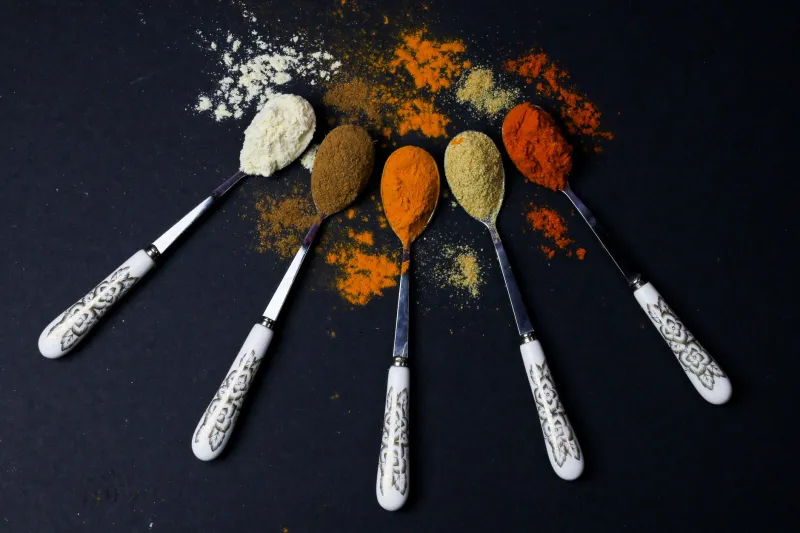
What it is: A pre-mixed spice blend that typically includes coriander, cumin, garlic powder, and achiote or turmeric. It's a workhorse seasoning in Panamanian and broader Latin American cooking — used in rice, soups, marinades, and meat dishes.
Where to find it: Goya makes the most recognizable version and it's in most major US grocery chains now, usually in the Latin foods aisle. If you can't find it, you can make a rough version at home by combining ground cumin, garlic powder, dried oregano, and a small amount of achiote powder.
Non-negotiable? The store-bought version is convenient, but homemade works fine. What's non-negotiable is having the flavor profile — that combination of warm spice, garlic, and color-forward seasoning — present in your cooking.
3. Culantro (Not Cilantro — Though You Need Both)
What it is: Culantro is a long-leafed herb with a flavor similar to cilantro but significantly more intense. It's sometimes called "long coriander" or "shadow beni" in Caribbean markets. It's one of the backbone herbs in recao — the aromatic herb blend at the heart of Panamanian flavor.
Where to find it: Latin grocery stores and Asian supermarkets (it's used in Southeast Asian cooking too). It's not always easy to find fresh, but some stores carry it frozen or dried. Fresh is best.
Can you substitute cilantro? Yes, in a pinch — use roughly twice the amount of cilantro to approximate the intensity. But if you can find culantro, use it.
4. Ají Chombo (Scotch Bonnet or Habanero as Substitutes)
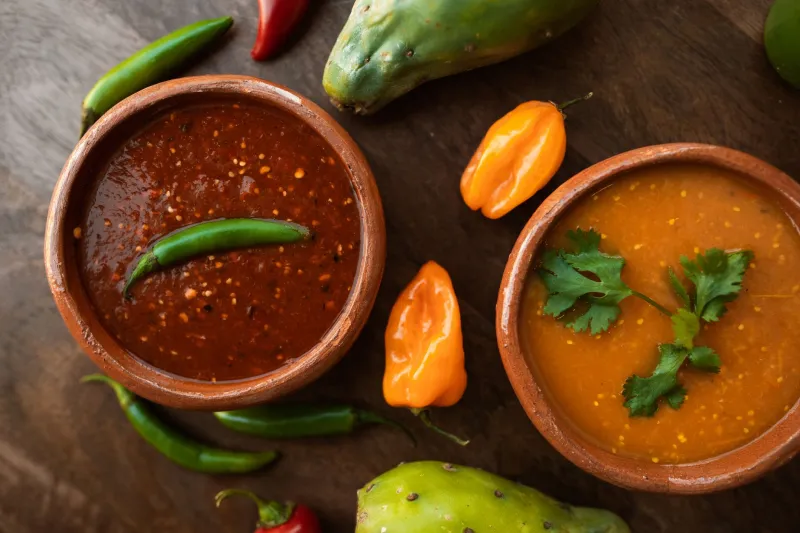
What it is: Panama's signature hot pepper. Fruity, intensely aromatic, and seriously hot. In Panamanian cooking, ají chombo is often used sparingly — more for flavor than for blowing the roof off your mouth — but it's essential to certain dishes and condiments.
Where to find it: Scotch bonnet peppers, which are nearly identical in flavor profile, are available at Caribbean and Latin grocery stores. Habaneros are a solid substitute and easier to find at mainstream stores.
Non-negotiable? For dishes that specifically call for it, yes. But use it carefully — a little goes a long way.
5. Dried Oregano (The Latin Variety)
What it is: This might seem obvious, but there's a difference. Mexican and Latin American oregano has a slightly more robust, earthy flavor compared to Mediterranean oregano. It's used in marinades, stews, and spice rubs throughout Panamanian cooking.
Where to find it: Latin grocery stores sell it loose by the bag, which is significantly cheaper than the tiny McCormick jars. If you're cooking Panamanian food with any regularity, buy it this way.
Can you substitute Mediterranean oregano? Yes, though the flavor is slightly different. Use a touch less — Mediterranean oregano can be more assertive in different ways.
6. Ground Cumin
What it is: A warm, slightly bitter spice that appears in marinades, rice dishes, and spice blends throughout Panamanian cooking. It's not the dominant flavor in most dishes, but its absence is noticeable.
Where to find it: Everywhere. This one's easy. Buy it in bulk from a Latin or Indian grocery store for the best price per ounce.
7. Coconut Milk
What it is: A creamy, rich liquid made from grated coconut flesh. On Panama's Caribbean coast, coconut milk is used in rice preparations (arroz con coco), seafood stews, and desserts. It's one of the most distinctive elements of Afro-Caribbean Panamanian cooking.
Where to find it: Every major grocery store carries canned coconut milk. Full-fat is the version you want for cooking — light coconut milk lacks the richness that makes these dishes work.
Non-negotiable? For Caribbean-style Panamanian dishes, absolutely.
8. White Rice (Long-Grain)
What it is: The literal foundation of most Panamanian meals. Not brown rice, not jasmine, not basmati — standard long-grain white rice. It cooks differently and has the right texture for Panamanian-style rice preparations.
Where to find it: Everywhere. Buy it in larger bags from a Latin or Asian grocery store for much better value.
9. Black-Eyed Peas and Dried Lentils
What they are: Legumes that appear throughout Panamanian cooking — in soups, stews, and rice dishes. Black-eyed peas in particular show up in Caribbean-influenced preparations. Dried versions are more economical and have better texture when cooked from scratch.
Where to find them: Any grocery store. Latin and Caribbean markets often carry a wider variety of dried legumes at lower prices.
10. Good Quality Lard or Neutral Oil
What it is: Traditional Panamanian cooking uses lard for frying and sautéing in a way that adds a specific richness to the base of dishes. If lard isn't your thing, a neutral oil like vegetable or canola works fine — but know that some depth of flavor changes.
Where to find lard: Latin grocery stores almost always carry it. Manteca is the Spanish word to look for on the label.
How to Build This Pantry Without Breaking the Budget
Here's the practical reality: if you shop at a Latin grocery store, nearly everything on this list costs significantly less than the equivalent at a mainstream supermarket. Spices sold loose in bags, large containers of dried herbs, and bulk legumes are all dramatically more affordable when you know where to look.
For anything you can't find locally — culantro, specific pepper varieties, specialty achiote pastes — online retailers like Amazon, Walmart Grocery, and specialty Latin food sites ship nationally. Building this pantry incrementally over a few grocery runs is completely manageable.
Start with achiote, sazón, culantro (or cilantro), and long-grain white rice. Those four alone will immediately change how your Panamanian cooking tastes. Add the rest over time as you work through more recipes, and before long, you'll have a pantry that doesn't just approximate Panamanian food — it actually produces it.