No Heat Required: How Panamanian Cooking Builds Big Flavor From the Ground Up
A lot of American cooks make the same assumption when they first hear "Latin American cuisine": spicy. Like, reach-for-your-water-glass, apologize-to-your-stomach spicy.
Panamanian food will gently, deliciously prove you wrong.
The cooking tradition that developed in Panama — shaped by Indigenous roots, Spanish colonial influence, Afro-Caribbean heritage, and even Chinese immigration — is fundamentally about complexity, not heat. The goal isn't to challenge your tolerance. It's to build a flavor profile so layered and satisfying that you keep eating just to figure out what's happening in there.
Once you understand how that works, you'll cook differently. Not just Panamanian food — everything.
The Philosophy: Flavor as Architecture
Think about how a building goes up. Foundation first. Structure second. Finishing details last. Tear out any one of those layers and the whole thing feels off, even if you can't immediately identify why.
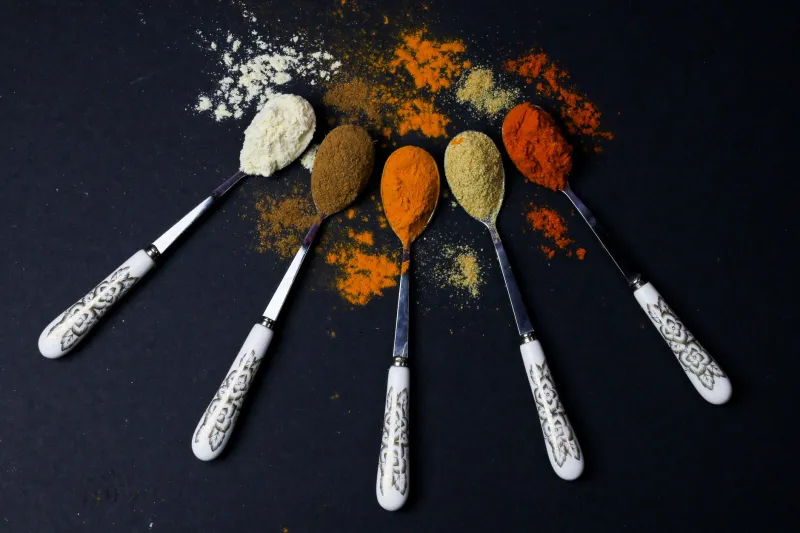
Panamanian cooking works the same way. Each ingredient in the spice hierarchy serves a specific structural purpose. Some build the base. Some add mid-palate complexity. Some provide the aromatic top notes that hit you when the lid comes off the pot. Skip one, and the dish tastes flat. Rush the order, and the flavors never fully integrate.
This is the framework. Let's walk through it.
Layer One: The Foundation — Achiote
Achiote (annatto) is where many Panamanian dishes begin, and it's doing more than you might think. Derived from the seeds of the achiote tree, it contributes that warm, earthy, faintly peppery undertone that makes Panamanian rice dishes, stewed meats, and soups taste distinctly themselves.
In the US, you can find achiote paste or annatto powder at most Latin grocery stores and increasingly at mainstream supermarkets. A little goes a long way — you're not trying to taste it outright. You're using it to build a foundation that makes every other flavor sit better.
How to use it: Bloom achiote seeds or paste in warm oil or lard at the very start of cooking, before your aromatics go in. Let it color the fat a deep orange-red. That colored fat is now your flavor vehicle for everything that follows.
Practice recipe moment: Heat 2 tablespoons of vegetable oil over medium heat. Add 1 teaspoon of achiote paste and stir until dissolved. Add diced onion and cook until soft. Notice how the onion picks up that golden color and subtle earthiness. That's your foundation.
Layer Two: The Structure — Sofrito (Panamanian Style)
In Panamanian cooking, sofrito isn't quite the same as its Puerto Rican or Dominican cousins, though they share a family resemblance. The Panamanian version typically includes onion, garlic, tomato, and green bell pepper as the core, with culantro — not cilantro, though they're related — adding a more intense, slightly serrated herbaceous quality.
Culantro (sometimes called recao or shadow beni) has a stronger flavor than cilantro and holds up better during cooking, which is why it's a structural ingredient here rather than a finishing one. If you can't find it fresh, look for it frozen at Latin or Caribbean grocery stores.
This sofrito mixture gets cooked down — slowly, patiently — until it's deeply fragrant and the tomatoes have broken down into something almost jammy. This step is non-negotiable. Rushing it produces a raw, vegetable-forward flavor that never fully integrates. Taking your time produces something that becomes the backbone of the dish.
How to use it: After your achiote oil is ready and your onions have softened, add minced garlic, diced tomato, green pepper, and a few culantro leaves (or a small handful of cilantro stems, which are more flavorful than the leaves). Cook over medium-low heat for at least 10-15 minutes, stirring occasionally.
Layer Three: The Complexity — Cumin
Cumin is the spice that American cooks most often either overuse or misunderstand. In Tex-Mex cooking, it tends to dominate. In Panamanian cooking, it plays a supporting role — present, but never loud.
Added after the sofrito has cooked down, cumin brings a warm, slightly smoky dimension that ties the foundation layer (achiote) to the aromatics (sofrito) in a way that's hard to articulate but immediately noticeable when it's missing.
The amount matters: for a dish serving four to six people, you're typically looking at half a teaspoon to a full teaspoon of ground cumin, not a tablespoon. Taste as you go. You want to feel it rather than identify it.
How to use it: Stir ground cumin into your sofrito during the last two to three minutes of cooking, before adding any liquid or protein. Letting it toast briefly in the oil activates the flavor compounds and prevents that raw-spice taste that can make a dish feel unfinished.
Layer Four: The Brightness — Fresh Cilantro and Lime
Here's where the architecture gets its finishing details. Fresh cilantro and lime don't go in early — they go in at the end, or on top, or on the side. Their job is to lift everything that came before them, adding a citrus brightness and herbal freshness that prevents the dish from feeling heavy.
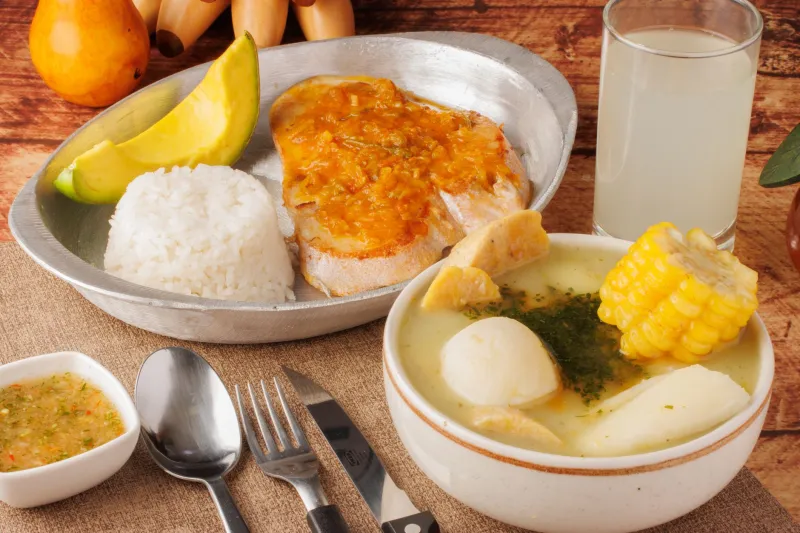
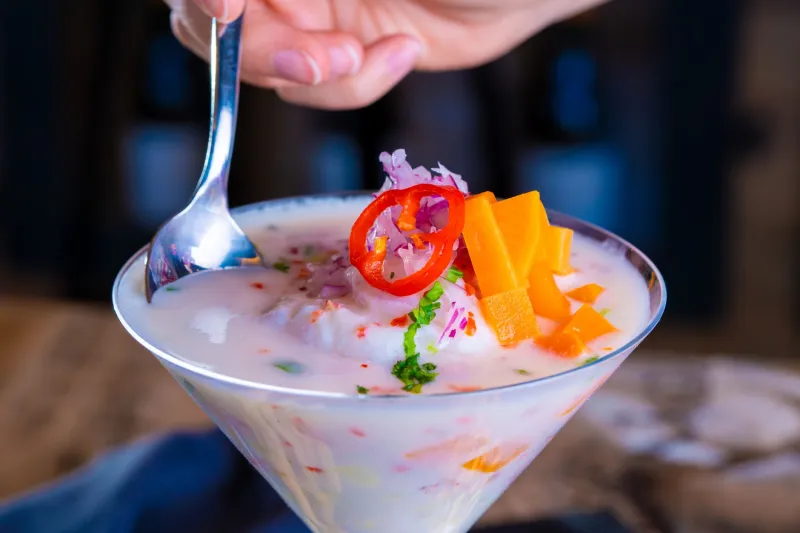
In Panamanian cooking, this finishing layer is as important as any of the others. A slow-cooked sancocho that doesn't get a handful of fresh cilantro stirred in at the end is a different dish. Ceviche without that final squeeze of lime is incomplete.
The rule: Add fresh herbs and acid after the heat is off, or as a garnish. Heat destroys their volatile compounds quickly, and you lose the brightness you're counting on.
Putting It Into Practice: A Simple Pollo Guisado
Braised chicken — pollo guisado — is one of the most common weeknight dishes in Panamanian home cooking, and it's a perfect vehicle for practicing this layering technique.
What you need:
- 2 lbs bone-in chicken thighs
- 1 tsp achiote paste
- 2 tbsp vegetable oil
- 1 medium onion, diced
- 3 garlic cloves, minced
- 1 medium tomato, diced
- ½ green bell pepper, diced
- 4-5 culantro leaves (or ¼ cup cilantro stems)
- ½ tsp ground cumin
- Salt and pepper to taste
- 1 cup chicken broth
- Fresh cilantro and lime to finish
The process:
- Bloom achiote paste in warm oil. Add onion, cook until soft.
- Add garlic, tomato, pepper, and culantro. Cook down 12-15 minutes.
- Add cumin, stir and cook 2 minutes.
- Season chicken, add to pot, and sear lightly on both sides.
- Add broth, bring to a simmer, cover and cook 35-40 minutes.
- Finish with fresh cilantro and a squeeze of lime.
The result is a dish with genuine depth — savory, aromatic, slightly earthy, and bright all at once. No heat. No shortcuts. Just good technique applied to honest ingredients.
That's the Panamanian way. And once you've tasted what layering can do, you'll never want to cook any other way.