Why Panamanian Families Wake Up to the Best Meal of the Day — and Finish It in 15 Minutes
Somewhere between the $22 eggs Benedict and the forty-minute brunch wait, American weekend mornings lost the plot. We turned breakfast into a performance — a whole production with mimosas, Instagram setups, and menus that read like short novels. Meanwhile, in kitchens across Panama, families have been doing something quietly radical: eating incredibly well in the time it takes most of us to find parking.
Panamanian breakfast isn't flashy. It doesn't need to be. It's built on a handful of honest ingredients, a couple of techniques that any home cook can handle, and a cultural instinct that says a good morning meal should fuel you, not exhaust you. Whether it's a weekday before school or a slow Sunday with nowhere to be, the table gets set fast — and it always delivers.
Here's what that table actually looks like.
Ropa Vieja con Huevos: The Leftover Magic Act
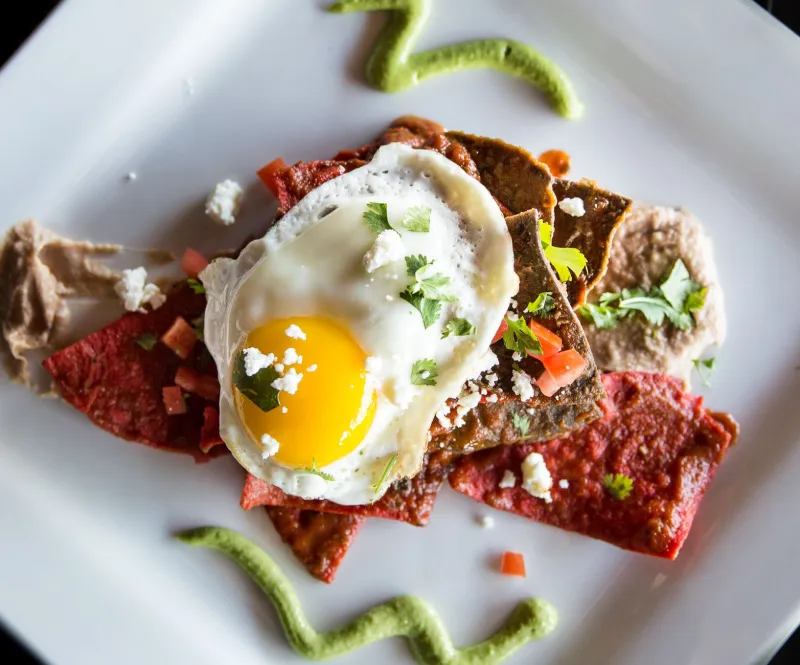
If there's one dish that defines the Panamanian breakfast spirit, it's ropa vieja con huevos. The name translates literally to "old clothes with eggs," which sounds chaotic but tastes like a warm hug. The concept is simple: shredded beef — typically left over from the night before — gets tossed into a hot pan with sofrito, a splash of Worcestershire sauce, and whatever aromatics are on hand. Eggs go in next, either scrambled right into the mix or fried alongside it.
The beauty here is in the recycling. Nothing gets wasted. That braised beef from Tuesday's dinner becomes Wednesday morning's most satisfying plate. The sofrito — that slow-cooked base of onion, garlic, peppers, and tomato — does the heavy lifting, turning simple leftovers into something that tastes like it took much longer than it did. Serve it with white rice (yes, rice for breakfast — Panama doesn't apologize for this) and you've got a plate that sticks with you until well past noon.
For American cooks, this is a revelation. We tend to treat leftovers as sad desk lunches, not as the foundation of tomorrow's best meal. The Panamanian approach flips that entirely.
Tortillas de Maíz: Not What You Think
Before you picture a flour tortilla from a plastic bag, pause. Panamanian tortillas are a different creature entirely — thick, hand-formed corn cakes that get cooked on a griddle or fried until they're golden and just slightly crisp on the outside, soft and pillowy within. They're closer in spirit to a corn cake or an arepa than anything you'd find in a Tex-Mex context.
The dough comes together fast: masa harina, a pinch of salt, a little water, sometimes a small amount of butter or lard for richness. You press them by hand into rounds about half an inch thick and cook them on a hot comal or cast-iron skillet. The whole process takes maybe ten minutes from mixing to first bite.
These tortillas are the workhorse of the Panamanian breakfast table. They soak up egg yolk beautifully. They hold up against a smear of butter without disintegrating. They're sturdy enough to scoop up shredded beef but tender enough to eat on their own. Once you've had one fresh off the griddle, the bagged alternatives feel like a different food category entirely.
Carimañolas: When Breakfast Gets a Little Crispy
For mornings when you've got a few extra minutes — or when you've planned ahead — carimañolas earn a spot at the table. These are yuca fritters stuffed with seasoned ground beef or cheese, shaped into a torpedo, and fried until the outside is deeply golden and the inside is creamy and rich. They're a staple of Panamanian street food culture, but they show up at breakfast tables too, especially on weekends.
The yuca dough has a subtle earthiness and a slightly starchy chew that makes them immediately distinctive. The filling is simple — ground beef cooked down with the same sofrito base you'd use for ropa vieja, maybe with a hard-boiled egg tucked inside for good measure. They reheat well, which means you can make a batch on Sunday and have breakfast covered for the next few days.
In the US, yuca is increasingly easy to find — most Latin grocery stores carry it fresh or frozen, and frozen yuca is a completely legitimate shortcut here. Don't let unfamiliarity with the ingredient slow you down. Boil it, mash it, season it, stuff it. The technique is forgiving.
The Drinks That Actually Belong on a Breakfast Table
Panamanian mornings run on a few key beverages, and none of them involve a twelve-step espresso ritual. Café con leche — strong coffee cut with warm milk and sweetened to taste — is the standard. The coffee itself matters: Panama produces some genuinely extraordinary single-origin beans, particularly from the Chiriquí highlands, and even a modest bag from a Panamanian producer will outperform most supermarket blends.
But coffee isn't the only option. Chicheme — a traditional drink made from whole corn, milk, cinnamon, and vanilla — shows up at breakfast in many households. It's thick, lightly sweet, and subtly spiced, somewhere between a warm smoothie and a thin porridge in texture. It sounds unusual if you've never encountered it, but a single cup tends to convert skeptics immediately. It's comfort in a glass.
For something lighter, agua de sapo — a refreshing mix of lime juice, ginger, and raw cane sugar — is common in the Bocas del Toro region and makes for a genuinely energizing morning drink that requires nothing more than a few minutes of stirring.
What This All Means for Your Morning Routine
The case for Panamanian breakfast in an American context isn't complicated. These are dishes that were designed by necessity to be fast, built by tradition to be flavorful, and refined by generations of home cooks who understood that mornings don't wait around. They use ingredients that are increasingly accessible across the US, rely on techniques that don't require culinary school, and produce results that are genuinely more satisfying than most of what's on offer at your local brunch spot.
The next time you're tempted to scroll through a restaurant's weekend brunch menu or spend twenty minutes debating whether to make a smoothie bowl, consider this instead: a hot cast-iron pan, some masa harina, whatever protein is left in your fridge, and a strong cup of Panamanian coffee. Breakfast in fifteen minutes. No reservation, no markup, no wait.
Just a really good morning meal — the way it's been done in Panama for a very long time.