Good Cooks Know the Rules. Great Cooks Know When to Break Them.
There's a particular kind of cooking anxiety that lives in American kitchens. You find a recipe you're excited about, track down most of the ingredients, and then hit a wall — culantro isn't at the grocery store, the Latin market across town is closed, and you're not sure if swapping in regular cilantro counts as cheating. So you either make the dish feel wrong in your head before you've even started, or you just don't make it at all.
Panamanian cooks would find this baffling.
Not because they don't care about flavor — they absolutely do. But because the kitchens where Panamanian food was born were not kitchens with infinite options. They were coastal kitchens with whatever the fishing boats brought in. Mountain kitchens with whatever the garden gave that week. City kitchens feeding large families on tight budgets. Flexibility wasn't a compromise. It was the whole skill set.
The Philosophy Behind the Swap
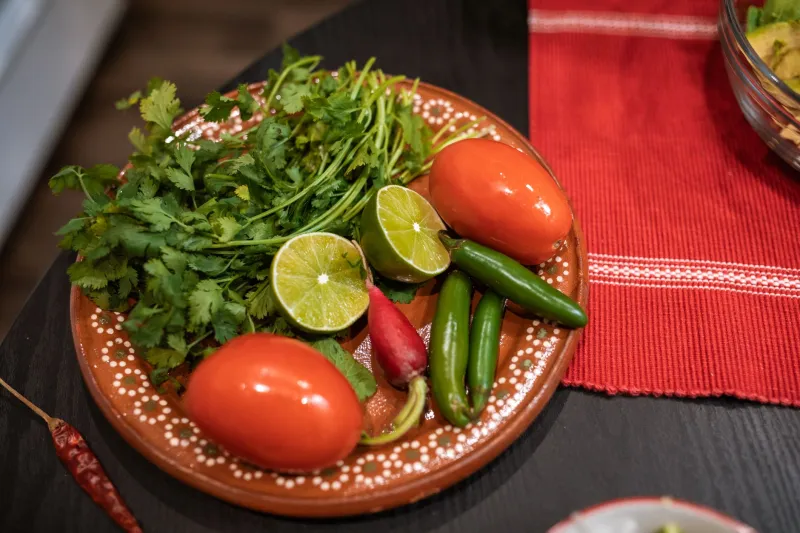
In Panama, cooking has always been about understanding why an ingredient is in a dish, not just that it's in a dish. When you understand that culantro adds a bold, grassy depth to a sofrito base, you realize that a combination of fresh cilantro, a little flat-leaf parsley, and maybe a touch of celery leaf gets you surprisingly close. Not identical — but close enough that the dish still does what it's supposed to do.
This is the core of Panamanian kitchen logic: every ingredient has a job. Once you know the job, you can find other ingredients willing to do it.
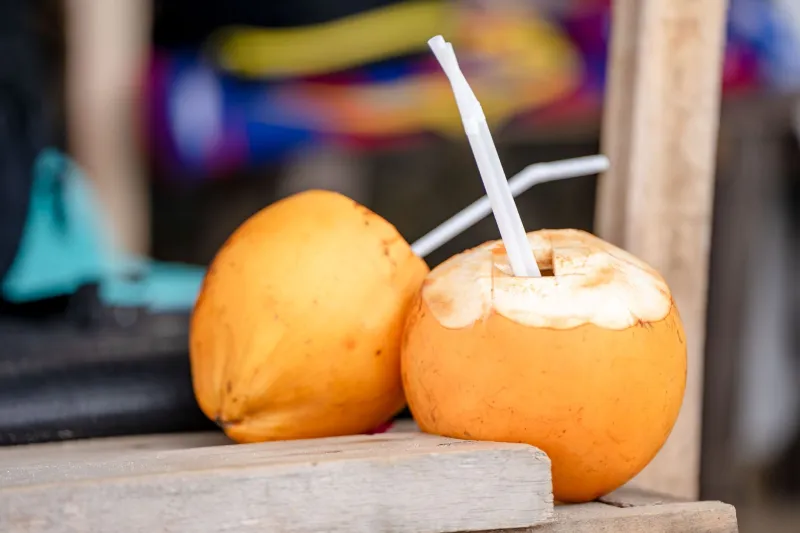
Otaheite apples, called manzana de agua in Panama, show up in drinks and desserts with a floral, lightly tart quality. If you're in the US and can't find them, a mix of lychee and green apple does something similar. Nance — those tiny, pungent yellow fruits that Panamanian grandmothers use in everything from chicha to sauces — can be approximated with a blend of sour cherry and a hint of fermented flavor if you're working without them. It's not a perfect replica. But it's a dish that makes sense, and that carries the spirit of the original.
What American Kitchens Can Actually Do
The good news for cooks in the US is that access to Panamanian and Latin ingredients has genuinely improved. Most cities with any meaningful Latino population have tiendas stocking key items — achiote paste, culantro (also called recao or shadow beni), ají chombo peppers, and even dried nance. Online retailers have filled in a lot of remaining gaps.
But when those options fall short, here's a practical framework borrowed directly from how Panamanian home cooks think:
Fat carries flavor. In Panamanian cooking, the base fat — often lard, coconut oil along the Caribbean coast, or vegetable shortening — isn't neutral. It sets the tone. If a recipe calls for lard and you use olive oil, the dish will taste lighter and more Mediterranean. That's not wrong, but it's different. Knowing this lets you make intentional choices rather than accidental ones.
Acid is adjustable. Panamanian food uses sour orange (naranja agria) constantly — in marinades, sauces, and glazes. If you can't find it, a 2:1 blend of fresh orange juice and lime juice is the classic substitute. It's not the same, but it does the same structural work in a recipe.
Heat is optional. Ají chombo, Panama's Scotch bonnet-adjacent pepper, brings serious heat and a fruity, tropical bite. If you're sensitive to spice or can't find it, a small amount of habanero gives you a similar flavor profile. If you want the flavor without the fire, roasting a habanero and using just a small scrape of the flesh adds fruitiness without blowing your palate.
Dried herbs are a last resort, not a substitute. Fresh herbs matter deeply in Panamanian cooking. If you can't find culantro, use more fresh cilantro — a lot more. The flavor is less intense, so you'll need to compensate with volume. Dried cilantro is almost never the right call.
Authenticity Isn't About Exact Ingredients
Here's the thing that gets lost in a lot of food conversations: authenticity in a living cooking tradition has never been about replicating a fixed recipe down to the gram. Panamanian food evolved in a country that sits at the crossroads of North and South America, where African, Indigenous, Spanish, Chinese, and West Indian culinary traditions all collided and merged over centuries. That food was never rigid. It was always in conversation with what was available.
When a Panamanian grandmother adjusts her sancocho because she's out of ñame and uses yuca instead, she's not compromising authenticity — she's practicing it. When she swaps green plantain for a riper one because that's what's in the kitchen, the dish changes slightly, and she knows it, and she adjusts the rest of the recipe accordingly.
That's the skill. Not memorizing a fixed list of ingredients, but understanding the dish well enough to adapt it.
A Practical Starting Point
If you're new to Panamanian cooking and worried about getting it wrong, start with this mindset shift: instead of asking "do I have every ingredient," ask "do I understand what each ingredient is doing." Then get as close as you can, taste as you go, and trust your palate.
The dishes will be slightly different from kitchen to kitchen. That's true in Panama too. Every family has their version, their adjustments, their quiet opinions about how something should really taste. The fact that your version is a little different doesn't make it less Panamanian in spirit — it makes it yours.
And honestly, that's exactly how this food was always meant to be cooked.