Panama's Secret Spice Language: The Blend That Belongs Next to Za'atar and Ras el Hanout on Your Shelf
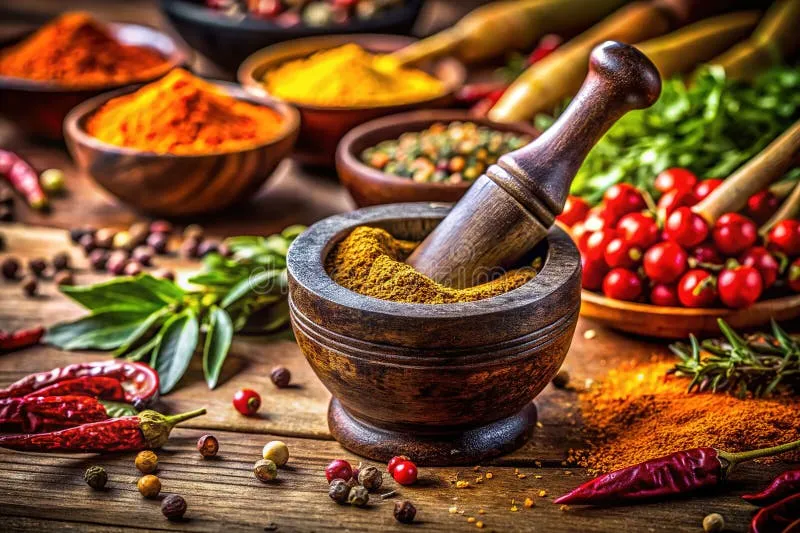
Photo: Panamanian spices achiote cumin coriander blend mortar pestle rustic kitchen, via thumbs.dreamstime.com
Ask most Americans to name a famous spice blend and you'll get a pretty predictable list. Chinese five-spice. Za'atar. Ras el hanout. Maybe garam masala if they've been watching enough cooking shows. These blends have earned their spots in specialty grocery stores, food media, and home pantries across the country — and rightfully so. Each one carries a whole culinary tradition inside a single jar.
Here's what almost nobody in the US knows: Panama has its own version of that story. And depending on who you ask — including a growing number of food scientists who study flavor compound interactions — it deserves exactly the same level of recognition.
The blend doesn't have one universally agreed-upon name. Some Panamanian home cooks call it a mezcla de especias. Others just say "my grandmother's mix" and leave it at that. But the core logic behind it — the specific aromatics, dried seeds, and earthy notes that show up again and again in traditional Panamanian kitchens — is remarkably consistent, and remarkably sophisticated.
Why Flavor Scientists Are Paying Attention
The reason certain spice blends work isn't random. Food chemists who study flavor pairing have identified that ingredients sharing volatile aromatic compounds tend to complement each other in ways that feel intuitive but are actually rooted in molecular structure. Five-spice works partly because star anise, cloves, and fennel all carry overlapping anethole compounds. Ras el hanout works because its warm-spice backbone shares terpenoid chemistry with the floral and citrus elements layered on top.
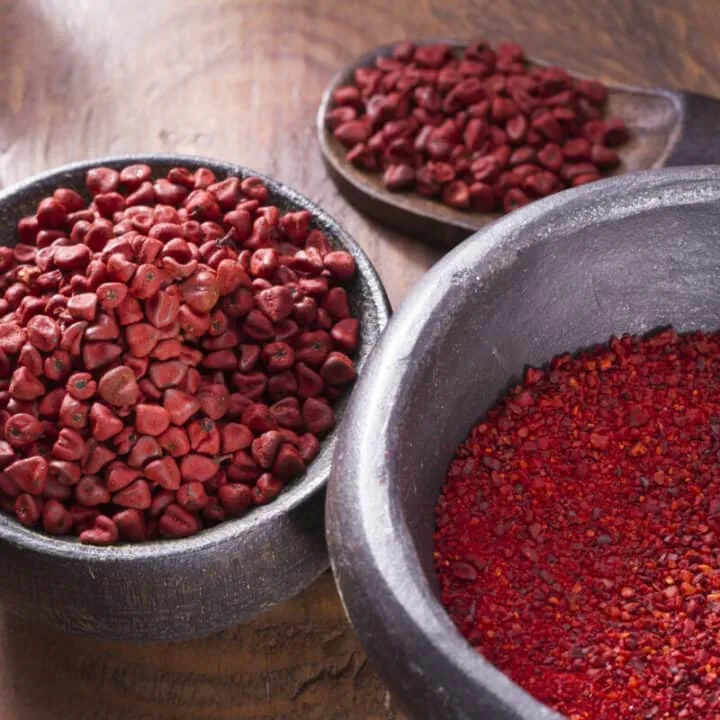
Panamanian spice logic operates on a similar principle, even if it was never written up in a research paper. The traditional combination of cumin, coriander seed, achiote, dried oregano, and black pepper — often rounded out with a whisper of dried thyme and sometimes a small amount of ground allspice — creates a flavor profile that food scientists describe as simultaneously earthy, citrus-adjacent, subtly floral, and warm. The achiote (annatto seed) in particular is interesting: it contributes both color and a faint nuttiness that bridges the gap between the bright coriander and the deeper cumin notes.
When these ingredients are toasted together before grinding, their volatile compounds interact during the Maillard reaction, producing new flavor molecules that none of the individual spices contain on their own. That's not culinary mysticism — that's basic food chemistry. And it's the same reason a freshly toasted and ground Panamanian spice mix tastes nothing like the sum of its parts.
The Blend, Broken Down
Let's talk specifics. The version of this blend that shows up most consistently across traditional Panamanian households — particularly in the interior provinces like Herrera, Los Santos, and Veraguas — tends to look something like this:
- Cumin seed (the backbone — earthy, warm, grounding)
- Coriander seed (bright, citrusy, slightly floral — this is not the same as the fresh herb)
- Achiote/annatto seed or powder (adds color, a subtle peppery-nutty note, and a visual identity that's distinctly Panamanian)
- Dried oregano (the Mediterranean variety works, but Mexican oregano is closer to what Panamanian cooks actually use — more citrus, less minty)
- Black pepper (freshly ground whenever possible — the difference is real)
- Dried thyme (used lightly, more structural than dominant)
- Ground allspice (optional but traditional in coastal and Afro-Panamanian variations — adds a clove-like warmth without the sharpness of actual cloves)
The ratio matters. Cumin and coriander typically anchor the blend in roughly equal parts. Achiote is used more generously than you might expect — it's not just a colorant here, it's a flavor contributor. The herbs sit in a supporting role. Allspice, if you're using it, should be subtle enough that you feel it more than taste it.
How to Build It at Home
This is not a complicated process, but it rewards patience. Start with whole seeds where possible — cumin and coriander especially. Toast them dry in a heavy skillet (cast iron is ideal) over medium heat, shaking the pan constantly, until they start to pop and you can smell them. This takes about 90 seconds to two minutes. Don't walk away.
Let them cool completely before grinding. A spice grinder or a dedicated coffee grinder does the job in seconds. If you're using achiote seeds rather than powder, note that they are extremely hard — a high-powered grinder handles them fine, but a mortar and pestle will take real effort. Pre-ground achiote powder is a perfectly acceptable shortcut here.
Combine everything, taste as you go, and store in an airtight jar away from heat and light. A batch made on Sunday will still be excellent the following weekend — though if you're cooking Panamanian food regularly, it probably won't last that long.
What This Blend Is Actually For
This is not a finishing spice. It's a building-block spice — the kind that goes in early, gets cooked into fats and aromatics, and forms the invisible foundation of a dish rather than sitting on top of it.
It's essential to guacho, the thick, deeply savory rice-and-meat stew that's considered comfort food across much of the Panamanian interior. It shows up in ropa vieja, in braised chicken dishes, in the seasoning base for patacones toppings, and in the dry rubs that go on pork before it hits a wood fire. Anywhere you want that characteristic Panamanian warmth — that flavor that American diners sometimes describe as "familiar but somehow completely different from anything I've had" — this blend is usually part of the answer.
It also works beautifully outside strictly Panamanian recipes. Try it as a rub on chicken thighs before roasting. Stir it into olive oil and use it as a base for braising vegetables. Mix it into ground beef for tacos that taste like nothing your usual seasoning packet produces.
The Bigger Point
Panamanian cuisine has spent decades being underrepresented in the global food conversation — not because the food isn't extraordinary, but because the storytelling infrastructure that lifts other cuisines into mainstream awareness hasn't been applied here with the same energy. Five-spice has centuries of written culinary history and a massive diaspora community advocating for it. Za'atar has food writers, restaurant culture, and a wellness boom behind it.
Panamanian spice knowledge has grandmothers. Which, honestly, is the more reliable source — but it doesn't always translate into shelf space at Whole Foods.
That's what makes learning this blend more than just a cooking exercise. It's an act of culinary recovery. Every time an American home cook reaches for this combination instead of a generic "Latin seasoning" packet, they're acknowledging that Panama's food culture has a precision and depth worth taking seriously.
Your spice shelf has room for one more jar. Make it this one.