Move Over, Sofrito: Recado Is the Flavor Paste Your Kitchen Didn't Know It Was Missing
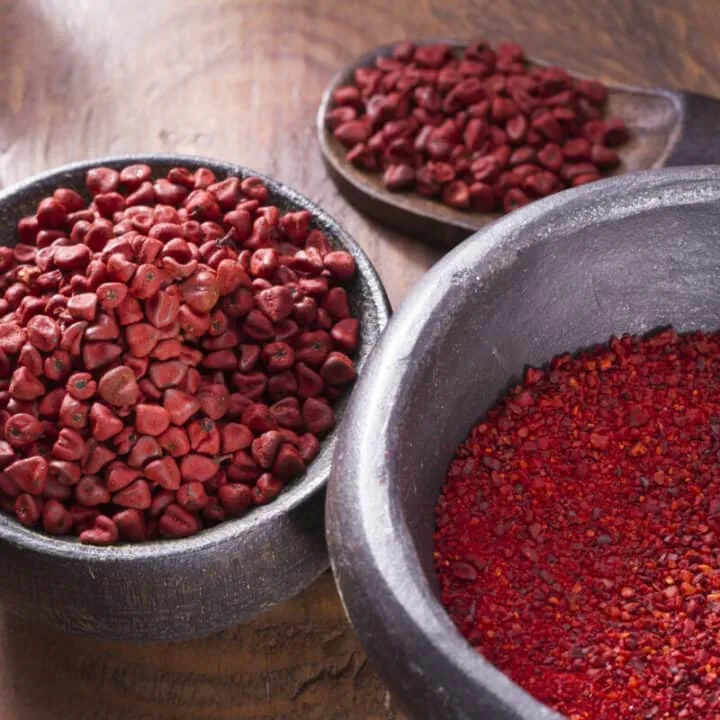
Photo: Panamanian spice paste annatto achiote recado ingredients mortar pestle, via foodsguy.com
If you've spent any time exploring Panamanian cooking, you've probably heard about sofrito. It's the aromatic base that shows up in rice dishes, stews, and just about everything else worth eating. But here's what doesn't get talked about nearly enough: sofrito has a cousin. A quieter, earthier, more intensely flavored cousin called recado — and it's been quietly doing some of the most important work in Panamanian kitchens for generations.
Recado isn't a household name in the US. You won't find it next to the jarred salsas at your grocery store. But that's exactly why it deserves your attention.
So What Actually Is Recado?
At its most basic, recado is a thick, paste-like blend of toasted and ground spices, aromatics, and sometimes dried chiles, used as a foundational flavoring agent rather than a sauce or condiment. Think of it less like something you spoon over food and more like something you rub into it, stir into a braise, or dissolve into a marinade.
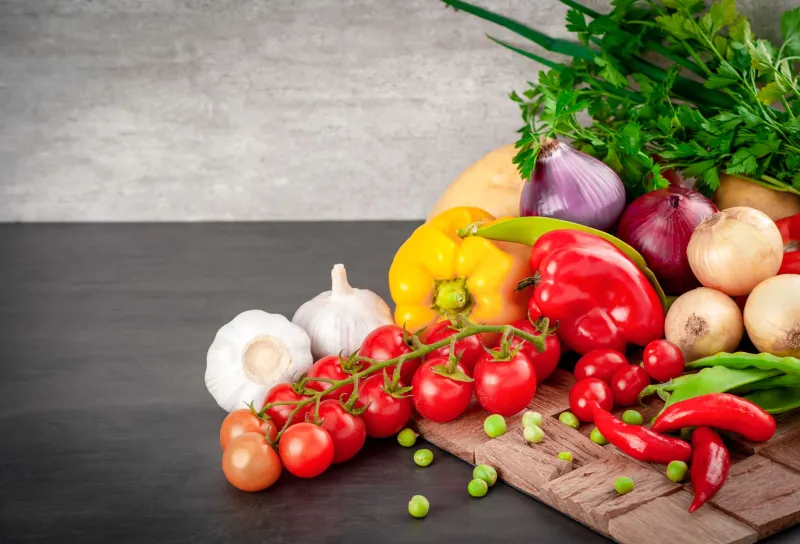
Where sofrito tends to be bright and herbaceous — built around fresh culantro, ají dulce peppers, onion, and garlic — recado goes in a different direction entirely. It leans into deeper, more roasted notes. Cumin, annatto (achiote), black pepper, and dried herbs are common players. The result is a paste that smells almost smoky before it even hits a hot pan.
In Panama, recado appears in regional cooking in ways that vary from province to province, household to household. Some versions include tomato paste for body. Others bring in a splash of vinegar to balance the richness. There's no single authoritative recipe, which is part of what makes it so interesting — and so Panamanian.
The Difference Between Recado and Sofrito (And Why It Matters)
It's easy to lump these two together, but they're doing genuinely different jobs in the kitchen.
Sofrito is a wet, often raw or lightly cooked blend. It's vibrant and aromatic. You build it at the start of a dish to create a fragrant base, and its fresh flavors carry through to the finished plate. It's the reason Panamanian rice smells so good while it's cooking.
Recado, by contrast, is about concentration. It's typically made with ingredients that have been toasted or dried, which means the flavors have already been transformed before they hit your pot. When you add recado to a braise or a marinade, you're not adding brightness — you're adding depth. You're adding that hard-to-name quality that makes a dish taste like it's been cooking for hours, even if it hasn't.
Think of sofrito as the opening chord of a song and recado as the bass line underneath it. You need both to get the full sound.
How Panamanian Cooks Actually Use It
Recado is a workhorse ingredient. In Panama, it turns up in slow-cooked beef dishes, in marinades for grilled chicken, and as a flavoring agent in stews that need a little something extra. It's the kind of ingredient home cooks reach for almost instinctively, the way an American cook might grab Worcestershire sauce or a good smoked paprika.
One of the most common applications is as a rub for meat before grilling or roasting. Smeared onto chicken thighs and left to marinate overnight, recado does something remarkable — it essentially pre-seasons the meat all the way through, so every bite carries that toasty, complex flavor rather than just the surface.
It also shows up stirred into beans, dissolved into soups, and occasionally mixed with a little citrus juice to create a quick table sauce. Its versatility is the point.
Making Recado at Home: What You Need
The good news for US home cooks is that the core ingredients are easy to find. Here's a simple baseline recipe to get you started:
Basic Panamanian-Style Recado
- 2 tablespoons achiote (annatto) seeds, or 1.5 tablespoons ground annatto
- 1 teaspoon cumin seeds (toasted and ground, or pre-ground)
- 1 teaspoon dried oregano
- ½ teaspoon black pepper
- 4 cloves garlic
- 1 tablespoon white vinegar
- 1–2 tablespoons neutral oil
- Salt to taste
If you're using whole annatto seeds, grind them in a spice grinder until fine — they're hard, so give them a full minute. Combine everything in a small food processor or mortar and pestle and work it into a thick, uniform paste. The annatto will turn the whole thing a deep brick-red color, which is part of the visual appeal.
Store it in a sealed jar in the fridge, where it'll keep for up to two weeks. A little goes a long way.
The Achiote Factor
Annatto deserves a special mention here because it does double duty in recado. It's both a flavoring agent and a natural colorant, and it's responsible for the warm golden-red hue you'll see in a lot of Panamanian dishes. The flavor it contributes is subtle — slightly earthy, faintly peppery, almost nutty — but it layers in a way that makes the overall paste taste more complex than the ingredient list suggests.
In the US, you can find annatto seeds and ground annatto at most Latin grocery stores, as well as online. It's also increasingly available at larger supermarkets in the international foods aisle. If you've never cooked with it before, recado is a great introduction.
Where to Use It in Your Everyday Cooking
Once you have a batch in your fridge, you'll start finding uses for it everywhere. A spoonful stirred into a pot of black beans transforms them. Rubbed onto pork shoulder before a long roast, it creates a crust that tastes like something you'd find at a roadside grill in Coclé province. Mixed with a little lime juice and olive oil, it makes a marinade for shrimp that's ready to grill in 20 minutes.
For US cooks who already love spice pastes — harissa, gochujang, miso — recado fits naturally into that rotation. It's not spicy in the heat sense, but it's deeply savory and aromatic in a way that changes the character of whatever you're cooking.
Why This Paste Deserves a Permanent Spot in Your Pantry
Sofrito will always have its place. But recado fills a different gap — one that a lot of American home cooks don't even realize they have. It's the ingredient that explains why Panamanian food tastes the way it does even when the recipes seem simple. The complexity isn't coming from a long ingredient list. It's coming from a small jar of paste that someone made on a Sunday afternoon and has been using all week.
That's the kind of cooking wisdom that doesn't get exported nearly often enough. But now you have it.