No Two Kitchens Agree on Sofrito — and Panamanian Cooks Wouldn't Have It Any Other Way
Somewhere in a kitchen in Chitré, a grandmother is pulling culantro from her backyard and insisting that anyone who uses dried herbs in sofrito simply doesn't care about food. Meanwhile, in a apartment in Panama City, her niece is blending onion, ají amarillo, and tomato into a smooth paste and calling it the definitive version. And in Bocas del Toro, a Caribbean-influenced cook is adding coconut milk to the whole situation and watching both of them lose their minds.
This is the sofrito wars. And if you've spent any time around Panamanian cooking — or Panamanian families — you already know the battles are real.
What Sofrito Actually Is (Before the Arguments Start)
At its core, sofrito is an aromatic base. Think of it as the flavor foundation that gets cooked into rice, stews, beans, meats, and soups before anything else hits the pot. The word itself comes from Spanish — sofreír, meaning to lightly fry — and the concept exists across Latin America and the Caribbean in dozens of forms. Puerto Rico has its recaíto. Cuba has its own sofrito. Spain started the whole tradition centuries ago.
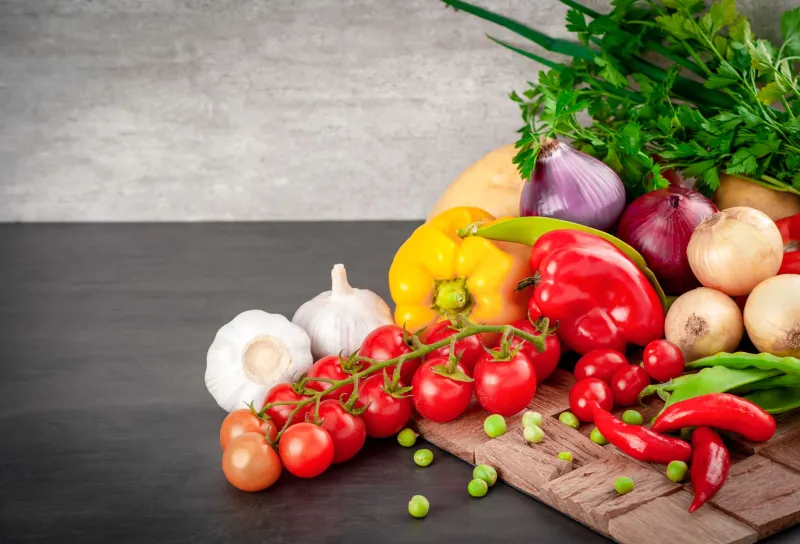
But Panama's version? It occupies its own lane. It tends to be fresher than its neighbors', less tomato-heavy than Cuban interpretations, and more herb-forward than what you'd find in a jar at your local grocery store. The base almost always includes onion, garlic, and some form of fresh pepper. Everything else is up for debate.
And Panamanians will debate it.
The Ingredients That Start Fights
Let's talk about culantro first, because this is where tempers flare. Culantro — not cilantro, though the two are cousins — is a long, serrated leaf with a flavor that's more intense, almost soapy-bright in the best possible way. In many Panamanian households, it's non-negotiable in sofrito. Pull it out of the recipe and you've made something else entirely.
But cilantro has its defenders too. Easier to find at American grocery stores, milder in flavor, it sneaks into plenty of sofrito recipes made by Panamanians living stateside. Purists scoff. Pragmatists shrug. Both versions taste good. That's the uncomfortable truth.
Then there's the tomato question. Some cooks insist on fresh tomato — roma, usually — for body and a hint of acidity. Others say tomato makes sofrito too wet, too heavy, too Italian. They skip it entirely and let the peppers carry the color. Neither camp is wrong, but don't tell them that.
Ají chombo, Panama's small but fierce hot pepper, shows up in some recipes and gets left out of others depending entirely on who's cooking and what the sofrito is destined for. A fish stew might get a whisper of heat. A chicken rice dish might get none at all. The pepper's presence shifts the whole personality of the paste.
How Geography Shapes the Recipe
Panama is a small country — you can drive across it in a few hours — but the regional cooking differences are genuinely striking, and sofrito reflects that.
In the interior provinces like Herrera and Los Santos, where cattle ranching and agriculture define the food culture, sofrito leans savory and robust. It's built to stand up to slow-cooked beef, hearty stews, and dishes that simmer for hours. You'll often find more garlic here, a deeper hit of onion, and sometimes a small amount of annatto — either the seeds or the oil — giving the whole thing a warm, golden hue.
Along the Pacific coast, where fresh seafood drives the menu, sofrito gets lighter and brighter. Less body, more fragrance. The goal is to complement delicate fish rather than overwhelm it. Cooks here might use a smaller ratio of onion and lean harder on fresh herbs, letting the aromatics perfume the oil without dominating the final dish.
The Caribbean side — Colón, Bocas del Toro — tells a different story entirely. Afro-Caribbean culinary traditions run deep here, and sofrito absorbs those influences. You might find thyme making an appearance, or scotch bonnet peppers standing in for ají chombo. The flavor profile edges toward something more complex, more layered, occasionally kissed with a richness that doesn't exist in the Pacific versions.
And Panama City, being Panama City, mixes all of it together. Urban kitchens pull from every region, every immigrant wave, every food trend. The capital's sofrito is whatever the cook grew up eating — which could mean anything.
The Ratio Problem (Or Why Recipes Are Just Starting Points)
Here's something experienced Panamanian cooks understand that recipe cards can't fully capture: sofrito ratios shift based on what you're cooking, not just where you're from.
Making arroz con pollo? You want a sofrito that's substantial enough to season an entire pot of rice. More onion, more garlic, enough volume to distribute evenly through every grain. Making a quick fish fillet? A lighter hand — just enough to bloom in the pan and lift the whole dish without turning it into a stew.
Long braises want sofrito with body. Quick sautés want sofrito that's almost more like a seasoned oil. Some cooks keep two versions on hand: a chunky, textured one for heartier applications and a smoother, more blended paste for delicate proteins.
This is why the idea of one definitive sofrito recipe is kind of a category error. The "right" recipe doesn't exist in isolation. It exists in relationship to whatever it's about to become.
Making It at Home (The American Kitchen Version)
If you're stateside and trying to build your own version, here's the honest starting point: fresh is always better than jarred, but imperfect and fresh beats perfect and bottled every single time.
Look for culantro at Latin grocery stores or Asian markets — it goes by several names including recao and saw-tooth herb. If you genuinely can't find it, use cilantro and accept that your sofrito will be slightly milder. It'll still be good.
For peppers, ají amarillo paste (widely available online and in specialty stores) can stand in for fresh Panamanian peppers. A small amount of scotch bonnet or habanero, used carefully, gets you closer to the Caribbean heat profile if that's the direction you're going.
Blend everything rough or smooth depending on your preference. Fry it in a neutral oil or — better — in annatto-infused oil until the raw edge cooks off and the whole kitchen smells like something worth eating. Then use it immediately or freeze it in ice cube trays for later.
The method matters. The exact proportions? Those are yours to figure out.
Why the Disagreement Is the Point
There's a tendency, especially in food media, to want a single authoritative version of traditional recipes. The "authentic" sofrito. The "real" one. But that framing misses what makes Panamanian cooking alive and worth caring about.
The fact that every cook has a different recipe — and defends it with conviction — means the tradition is being actively maintained, not just preserved. It means sofrito is still a living thing, still being argued over at family dinners, still being tweaked and passed down and reinvented.
The grandmother in Chitré and her niece in Panama City are both right. So is the cook in Bocas del Toro with the coconut milk.
That's not a bug in Panamanian cooking. That's the whole feature.