Move Over, Cilantro: Why Panamanian Cooks Have Been Reaching for This Other Herb All Along
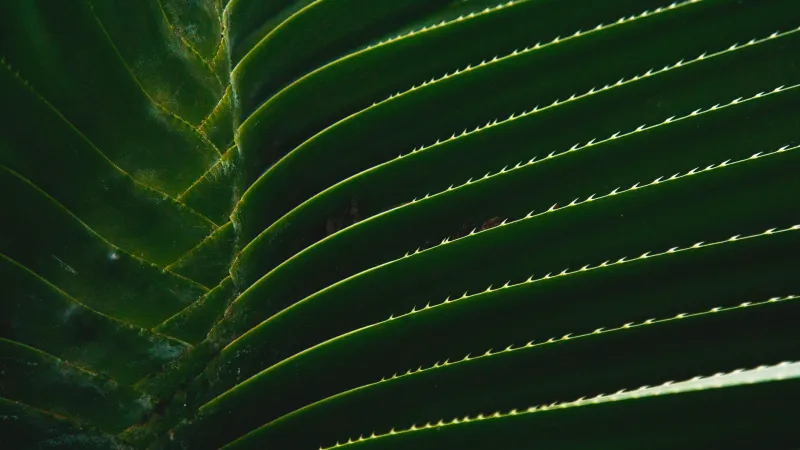
Walk into almost any Panamanian kitchen — whether it's a coastal home in Colón or an apartment in Panama City — and you'll find a bundle of something that looks a little like cilantro but isn't quite. The leaves are longer, flatter, and edged with tiny serrations that look almost prehistoric. The smell hits you before you even get close: bright, green, herbaceous, but with a depth that cilantro just can't match.
That's culantro. And if you've never cooked with it, you've been missing one of the most important flavor-builders in all of Panamanian cuisine.
What Even Is Culantro?
Culantro (Eryngium foetidum, for the botanically curious) goes by a lot of names depending on where you are. In Panama and much of the Caribbean, it's called recao. In other parts of Latin America, you'll hear cilantro de monte, cilantro ancho, or long coriander. In Southeast Asia — where it also has deep culinary roots — it shows up in Vietnamese and Thai cooking under different names entirely.
Despite sounding similar to cilantro and sharing a few flavor compounds, culantro is a completely different plant. The leaves are long and strap-like, typically four to ten inches, with those distinctive serrated edges. They grow in a low rosette pattern close to the ground. And while cilantro bolts quickly in warm weather and turns bitter the moment summer heat kicks in, culantro thrives in exactly those conditions. Heat doesn't scare it. Humidity makes it happy.
For Panamanian cooks, that resilience is part of the appeal. But the real reason recao earns its place in the kitchen is simple: the flavor.
The Flavor Difference Is Real — and It Matters
If you've ever found cilantro a little fleeting — great raw, but quick to fade when cooked — culantro is the answer to that problem. Its flavor is somewhere between cilantro and parsley, but turned up several notches. More pungent, more savory, with a kind of earthy persistence that holds up through long braises and slow simmers in a way cilantro never will.
That's exactly why recao shows up in Panamanian sancocho, the beloved chicken soup that anchors Sunday meals and family gatherings across the country. You add it early, let it cook down, and it becomes part of the broth's backbone rather than just a finishing garnish. Cilantro added at that stage would disappear. Culantro digs in.
The same logic applies to sofrito, the flavor base that starts so many Panamanian dishes. Culantro blends into the paste alongside onion, garlic, ají chombo, and other aromatics, contributing a green intensity that you feel more than you can specifically identify. It's the kind of ingredient that makes people ask, what is that? without being able to put their finger on it.
Why American Home Cooks Haven't Heard of It (Yet)
Here's the honest answer: distribution. Cilantro is everywhere — grocery stores, farmers markets, gas stations in certain neighborhoods. Culantro hasn't had the same mainstream moment yet, even though it's been quietly available in Caribbean, Latin, and Asian grocery stores across the US for years.
If you live near a neighborhood with a significant Caribbean, Puerto Rican, or Central American community, there's a solid chance your local international market already carries fresh culantro. It's also commonly stocked at Asian grocery stores, particularly those catering to Vietnamese and Thai shoppers, where it's used in pho and fresh herb platters.
Can't find it fresh? Goya sells culantro in a convenient jarred, minced form that's widely available in the Latin foods aisle at Walmart, Target, and most major supermarkets. It's not quite the same as fresh — nothing ever is — but it works well in cooked applications like soups, stews, and rice dishes. A small spoonful goes a long way.
For those who want the real thing year-round, here's a genuinely useful piece of information: culantro is easy to grow at home, even in containers. Seeds and starter plants are available through online herb nurseries, and the plant does well on a sunny windowsill or patio. Unlike cilantro, which bolts and goes to seed the moment temperatures rise, culantro actually prefers warm conditions. If you've ever been frustrated by cilantro dying on you in July, culantro will feel like a revelation.
How to Use It in Your Kitchen
The most important thing to understand about culantro is that a little goes a long way. Its flavor is significantly more concentrated than cilantro, so you don't need to use it cup by cup the way you might with a salsa verde or chimichurri.
In cooked dishes, add whole leaves or rough-chopped pieces early in the process. Soups, stews, braises, and rice dishes all benefit from culantro added during cooking. It integrates beautifully and adds that hard-to-name savory depth.
In sofrito and flavor pastes, blend it in with your other aromatics. Even one or two leaves in a batch of sofrito will shift the flavor profile noticeably toward something more authentically Panamanian.
As a raw garnish, use it sparingly. A small amount of finely sliced culantro over ceviche, grilled fish, or a bowl of black beans adds brightness without overwhelming. Think of it the way you'd use a strong fresh herb like tarragon — with intention.
Substitution ratio: If a Panamanian recipe calls for culantro and you're using cilantro instead, you'll generally need about three times as much cilantro to approximate the same impact. Even then, the flavor won't be identical — but it's a reasonable workaround.
The Herb That Deserves More Credit
Panamanian cuisine doesn't get nearly enough attention in American food culture, and culantro is a small but telling example of why that matters. There are entire flavor dimensions to this food tradition that most American home cooks have never encountered — not because the ingredients are inaccessible, but because no one's told them where to look.
Recao has been doing quiet, essential work in Panamanian kitchens for generations. It's the herb that makes the sancocho taste like sancocho, the ingredient that gives sofrito its staying power, the green note in dishes that people can't quite identify but always want more of.
If you can find it fresh, grab a bunch. Wrap the stems in a slightly damp paper towel, store it in a zip-lock bag in the fridge, and it'll hold for a week or more — longer than cilantro ever manages. If you can grow it, even better. And if you're working with the jarred version for now, that's a perfectly solid place to start.
Either way, once you cook with culantro, you'll understand immediately why Panamanian cooks have never been in a rush to replace it.