Wrapped, Steamed, and Ready to Go: The Panamanian Breakfast Tradition That Puts Meal Prep to Shame
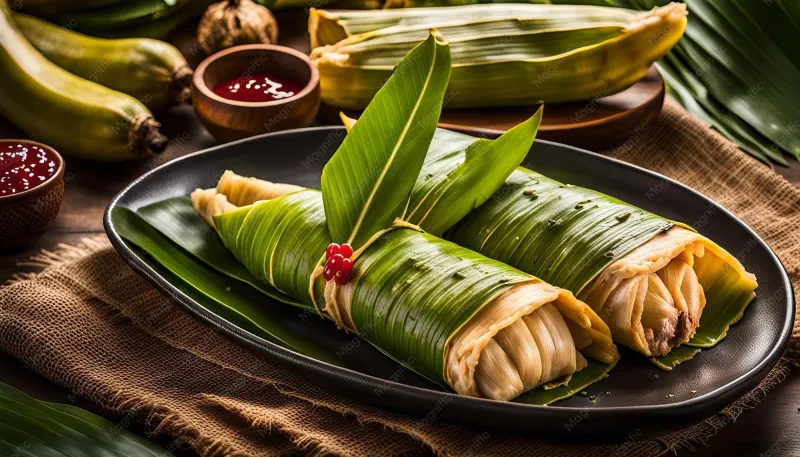
Photo: Panamanian tamales wrapped in banana leaves steamed breakfast traditional, via img.freepik.com
The Breakfast Panama Doesn't Always Brag About
Ask most people what Panamanians eat for breakfast and you'll get the usual rundown: eggs, rice, maybe some fried plantains, a cup of strong coffee. And sure, that's real — that's a legitimate morning plate in plenty of Panamanian households. But there's a whole other breakfast tradition that doesn't get nearly enough airtime, one that's been quietly feeding families for generations across the country's interior provinces, coastal communities, and highland towns.
We're talking about bollos and tamales — two distinct, deeply rooted dishes that share one clever trick: they come wrapped. Corn husks, banana leaves, plantain leaves. The wrapper isn't just packaging. It's part of the cooking process, part of the flavor, and honestly, part of the whole experience.
These aren't fancy weekend brunch dishes. They're working food. Portable, filling, made in batches, and built to last. The kind of breakfast a grandmother makes on Saturday so the whole family has something to grab through Sunday. And once you understand what they actually are, you'll start wondering why your own kitchen isn't doing the same thing.
Bollos: The Underrated Corn Package You Need to Know
A bollo is, at its most basic, a masa of ground corn that gets seasoned, wrapped tightly in a corn husk or plantain leaf, and then steamed until it sets into something firm, slightly dense, and deeply satisfying. Some bollos are plain — just the masa, maybe with a little salt and lard worked in — and those are the kind you eat alongside a fried egg or a bowl of soup. Others are stuffed. Chicken, pork, cheese, even coconut in some coastal versions.
The texture is what surprises people who try them for the first time. It's not like a flour-based bread. It's more compact, almost silky in the center, with a faint sweetness from the corn itself. The leaf does something to it during steaming — imparts a subtle grassiness that you can't replicate any other way.
In the Azuero Peninsula, bollos are practically a cultural institution. You'll find them at morning markets, wrapped and stacked, still warm from the pot. Families make them in large batches and eat them across multiple days. Room temperature, reheated, it doesn't matter — a good bollo holds up.
For a basic bollo at home: Start with masa harina (the same stuff you'd use for tortillas) mixed with warm water, a pinch of salt, and a small amount of lard or softened butter. The dough should be firm but pliable — not sticky. Portion it into roughly tennis-ball-sized pieces, flatten each one slightly, and wrap it snugly in a soaked corn husk. Tie the ends with strips of the husk or kitchen twine, then steam for about 45 minutes to an hour. The bollo is done when the masa pulls cleanly away from the leaf.
For a stuffed version, flatten the dough into a small disc, place a spoonful of seasoned pulled chicken or pork in the center, then fold the dough around it before wrapping. It takes a little practice to get the seal right, but the payoff is worth it.
Tamales: Panama's Version Is Playing Its Own Game
Here's where things get interesting for American cooks who already know their way around a Mexican tamale. Panamanian tamales share the same basic architecture — masa, filling, wrapped in leaves, steamed — but the similarities stop pretty quickly once you dig in.
Panamanian tamales tend to use a softer, wetter masa. The filling is more elaborate, typically featuring seasoned chicken or pork alongside rice, vegetables, olives, capers, and sometimes raisins. The whole thing gets wrapped in a banana leaf rather than a corn husk, which gives it a darker, more aromatic exterior and a slightly different texture in the masa itself.
The flavor profile is closer to what you'd find in Central American tamales from countries like Costa Rica or Colombia — layered, savory with faint sweet notes, and unmistakably tied to the sofrito and recado seasonings that run through Panamanian cooking. These aren't spicy. The complexity comes from depth, not heat.
Tamales in Panama are also tied to celebration. Christmas and New Year's are the big moments — families gather to make them in batches of dozens, assembly-line style, with everyone assigned a task. But increasingly, home cooks make smaller batches on regular weekends just because they're practical. Make twenty on a Saturday, and you've got breakfast handled for days.
Getting banana leaves right: Fresh banana leaves can be found at most Latin grocery stores and many Asian markets across the US. Before using them, run each piece briefly over a gas flame or warm skillet — you'll see the color deepen slightly and the leaf become more pliable. This prevents cracking when you fold. Cut them into roughly 12-inch squares and wipe clean before laying down your masa.
Why This Works Perfectly for American Weekends
Here's the honest sell for US home cooks: bollos and tamales are genuinely excellent meal prep food. The steaming process means they keep well in the fridge for up to five days and reheat beautifully — either back in the steamer for a few minutes or wrapped in a damp paper towel in the microwave. You can freeze them too, and they come back almost exactly as good as fresh.
Compare that to most breakfast options that need to be made to order, eaten immediately, and cleaned up after right away. A batch of bollos or tamales made on a Sunday afternoon means Monday through Wednesday mornings are handled before you've had your first cup of coffee.
They're also endlessly customizable once you get the base technique down. Cheese and jalapeño bollos. Tamales with black beans and sweet plantain. Vegetarian versions work just as well as meat-filled ones. The wrapper is forgiving and the masa is a blank canvas.
The Wrapper Is the Point
There's something worth slowing down on here beyond the practical stuff. The act of wrapping food in a leaf, tying it closed, and steaming it is one of the oldest cooking techniques in the Americas. It predates modern kitchens by centuries. When you make bollos or tamales, you're not just following a recipe — you're connecting to a method that Panamanian families have passed down through generations, often without ever writing it down.
The leaf traps steam, concentrates flavor, and creates a self-contained little package that travels well and feeds people without fuss. That's not an accident of culinary history. That's a solved problem, arrived at through generations of feeding families with whatever was available.
American brunch culture has a lot going for it — nobody's arguing against a good stack of pancakes. But there's something to be said for a breakfast tradition that respects your time, travels in your bag, feeds a crowd without drama, and tastes like it was made with actual intention.
Bollos and tamales deserve a spot on your weekend table. Start with one batch, get the technique down, and see how quickly they become a regular part of your kitchen rotation.