Panamanian Pantry, American Shelves: The Ingredients Finally Making It to Your Local Store

Photo by Photo by MacroLingo LLC on Unsplash on Unsplash
Not long ago, if you wanted to cook a genuinely authentic Panamanian meal in, say, Atlanta or Denver or Minneapolis, you had a few options: know someone with a relative who traveled, live near a Latin American specialty grocer in a major metro area, or spend a week waiting for an online order to show up. For a lot of home cooks — including Panamanians living in the US — that friction was real, and it shaped what actually got made at home.
But something has been quietly shifting over the last few years. A combination of growing Latin American immigrant communities, increased mainstream interest in global cuisines, and a more responsive specialty food import market has started to change what's available — and where.
We talked to home cooks, small importers, and a few people who haunt the international aisles of their local grocery stores on a weekly basis to get a real picture of what's actually changing.
The Everyday Staples That Have Crossed Over
Let's start with the good news. Several ingredients that used to require a dedicated trip to a specialty store are now showing up in more mainstream supermarkets — particularly chains like Walmart, Kroger, and Publix in regions with larger Hispanic populations.
Culantro (not to be confused with cilantro — it's broader-leafed, more pungent, and essential to Panamanian cooking) is increasingly available in the fresh herb sections of stores that carry Caribbean and Central American produce. It's still not everywhere, but it's no longer a unicorn. Check the international produce section rather than the standard herb display.
Ají chombo — the Scotch bonnet-adjacent pepper that shows up in Panamanian Afro-Caribbean cooking — has become easier to find at Caribbean grocery stores and, increasingly, at larger Whole Foods and specialty produce markets. Fresh is ideal, but frozen and jarred versions are now being stocked by a handful of importers who distribute nationally.
Coconut milk with real fat content (not the watered-down beverage kind) has always been available, but Panamanian cooks are specific about brand and consistency. Goya's Latin-market coconut products have become more widely stocked, and several home cooks we spoke with noted that they can now find the richer versions they prefer without ordering online.
The Harder-to-Find Items That Are Getting Easier
Beyond the everyday staples, a handful of more specific Panamanian pantry items are making their way into the US market in ways that would have been surprising even five years ago.
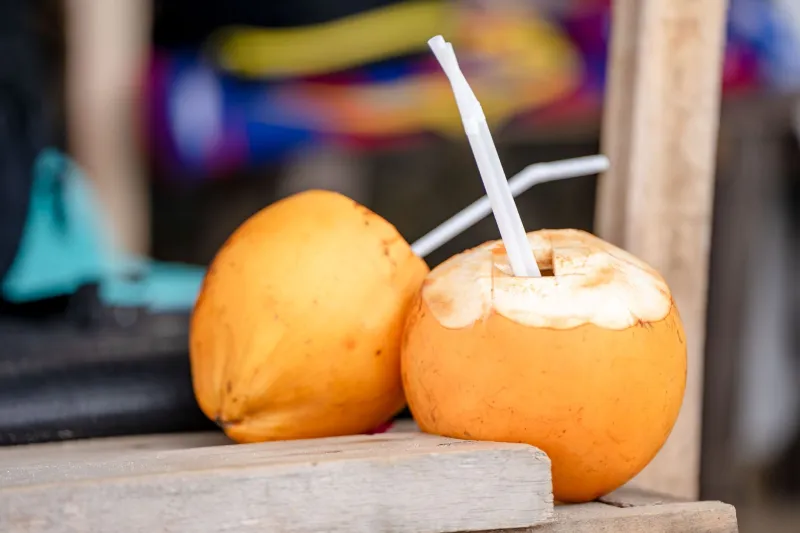
Nance — the small, intensely flavored yellow fruit that Panamanians use in drinks, desserts, and fermented preparations — is now available frozen at several Latin American specialty distributors, and a few online retailers have started offering jarred versions. It's not in your neighborhood Kroger yet, but if you're in Miami, Houston, or the DC metro area, you've got real options.
Sazon with specific regional blends — not the generic packaged version, but formulations that actually reflect Central American spice profiles rather than a generalized Latin American approximation — are being imported by small food businesses and sold on platforms like Amazon and through specialty online retailers. Several Panamanian-American home cooks have noted that the difference in flavor is significant enough to justify the extra step.
Otoe (Panamanian taro) and other root vegetables that form the backbone of dishes like sancocho are becoming more common at Caribbean and West African grocery stores, which often carry overlapping inventory. If you're near a store that serves a Jamaican or Trinidadian community, it's worth checking their root vegetable section.
What's Still Worth Ordering Online
Honesty matters here: not everything has made it to physical shelves, and some things may not for a while.
Dried and ground versions of specific Panamanian chili peppers remain difficult to source locally outside of very large cities. Online retailers specializing in Latin American pantry goods — several of which are run by Latin American diaspora entrepreneurs — are currently the most reliable option.
Panamanian chocolate and cacao products are a particular gap. Panama grows genuinely exceptional cacao, but the finished products — from drinking chocolate to cacao nibs sourced from specific Panamanian regions — are still mostly available through specialty importers and direct-to-consumer online brands. This is an area worth watching, as interest in craft chocolate has been growing and a few small importers are actively working to change the distribution picture.
Chicha de maíz and other fermented or traditional Panamanian beverages are essentially unavailable in commercial form in the US — and probably will remain that way, given the nature of how they're made. This is a make-it-at-home category, full stop.
Why This Shift Is Happening Now
The short answer is demographics combined with a genuinely more curious food culture. The Panamanian-American community has grown steadily, and with it, the commercial case for stocking these ingredients has improved. But it's not just diaspora demand driving the change.
American home cooks — particularly those who got deeply into cooking during the pandemic years — have developed a real appetite for authentic global ingredients rather than approximations. The difference between generic Latin seasoning and a properly sourced recado paste isn't subtle, and once cooks taste the difference, they want the real thing.
For Panamanian food specifically, this matters enormously. The cuisine's flavor profile depends on specific ingredients in specific forms. Substitutions work up to a point, but there's a ceiling on how authentic the result can be without the right building blocks.
A Practical Starting Point
If you're trying to stock a Panamanian pantry in the US right now, here's a realistic approach: start with what's locally available (culantro, Scotch bonnet or ají chombo, good coconut milk, root vegetables from Caribbean grocers), supplement with a few targeted online orders for the harder-to-find items (nance, specific spice blends, cacao products), and check back on your local specialty stores every few months.
The shelves are changing. Not fast enough for every recipe, not yet — but noticeably. And for cooks who've been waiting, that's genuinely worth something.