The Panamanian Cook's Real Secret? There's No Recipe
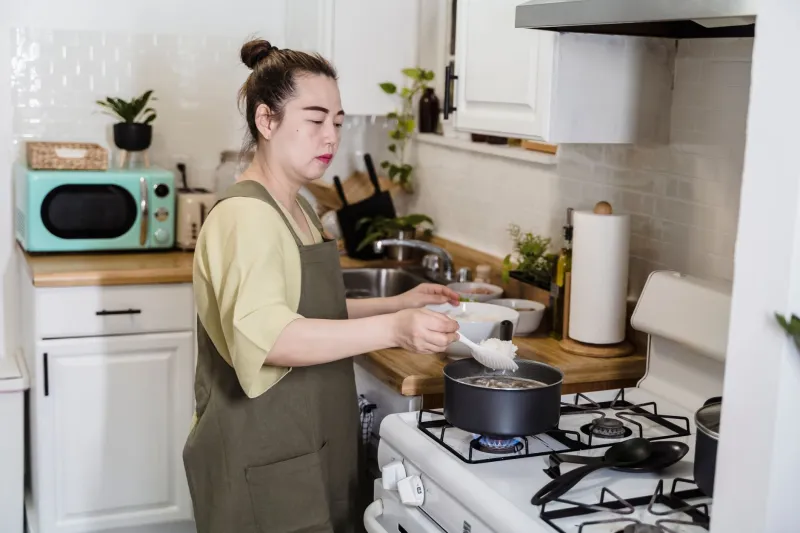
Somewhere in a kitchen in Panama City, or Chitré, or a small town along the Azuero Peninsula, a woman is making rice and chicken. She's not measuring. She's not checking her phone. She's listening to the sound the onions make in the pan, watching the color of the oil, smelling for the moment the garlic tips from raw to toasted. She's been doing this so long that the dish lives in her hands, not in any book.
This is how most Panamanian home cooking actually works. And it's almost the exact opposite of how most American home cooks approach food.
The Recipe Book Isn't the Point
Western cooking culture — especially in the US — has spent decades telling people that precision is the path to good food. Measure everything. Follow the steps in order. Don't improvise until you've made it exactly as written at least three times. Food media, cooking apps, and even professional culinary training often reinforce this idea: the recipe is the authority, and your job is to execute it faithfully.
There's value in that approach, especially for baking, where chemistry matters. But for the kind of everyday cooking that defines Panamanian cuisine — the soups, the rice dishes, the stews, the quick weeknight proteins — recipe dependency can actually get in your way.
Panamanian cooks aren't careless or imprecise. They're operating on a different kind of knowledge. They understand why things work, not just what to do. That's a meaningful distinction.
What They Know Instead
The foundation of intuitive Panamanian cooking is a grasp of a few core principles that repeat across nearly every dish.
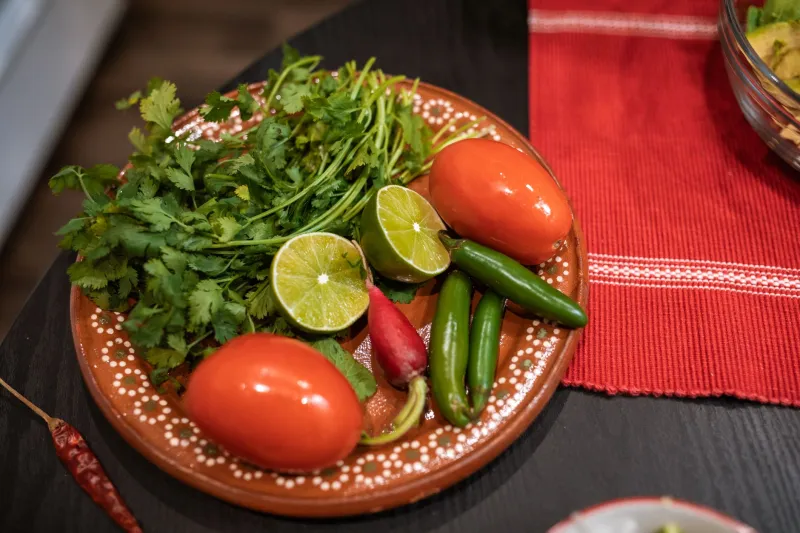
The sofrito always comes first. Whether it's onion, garlic, ají amarillo, culantro, and tomato, or some regional variation of that combination, the aromatic base is where flavor starts. Every experienced Panamanian cook knows how that base should look, smell, and sound at each stage of cooking — glossy but not browned, fragrant but not sharp, slightly reduced and concentrated. You don't need a recipe to tell you when it's ready. You need to have stood in front of a pan enough times to recognize it.
Fat carries flavor. Panamanian cooking uses lard, vegetable oil, and achiote-infused oil strategically. Knowing which fat to use and when — and understanding that the fat is doing more than preventing sticking — changes how you build a dish from the ground up.
Liquid is a variable, not a fixed quantity. When a Panamanian cook makes arroz con pollo, the amount of liquid they add depends on the rice they're using, how humid the day is, whether the pot has a tight lid, and how much liquid the chicken released during browning. A recipe can give you a starting point, but the cook's job is to read the pot and adjust.
Seasoning happens in layers. Salt isn't added once at the end. It goes in at multiple stages — with the aromatics, with the protein, when the liquid is added, and again before serving. Each addition builds on the last. This is why dishes from Panamanian home kitchens taste rounded and complete rather than flat.
How Memory Replaces Measurement
A lot of Panamanian cooking knowledge was never written down because it didn't need to be. It moved from grandmother to mother to daughter through proximity and repetition. You learned to cook by standing next to someone who already knew how, watching their hands, asking questions, tasting constantly.
That transmission process created cooks who could adapt. No culantro? Use more regular cilantro and add it later so it doesn't cook off. Chicken thighs instead of a whole bird? Adjust the cooking time and add a little less liquid. Cooking for eight instead of four? You don't double the recipe — you eyeball it, because you understand the ratios.
This is what gets lost when cooking becomes purely recipe-dependent: the ability to problem-solve in real time.
Learning to Cook Without a Net
For American home cooks raised on recipe culture, letting go of the instructions can feel genuinely uncomfortable. What if it doesn't turn out? What if you add too much of something? These are reasonable anxieties. But they're also the anxieties of someone who hasn't yet built enough foundational knowledge to trust themselves.
The way in is to start small. Pick one Panamanian dish and make it enough times that you stop needing to look at the recipe. Arroz con guandú is a good candidate — rice and pigeon peas with coconut milk and culantro. Make it four times. By the fourth time, you'll know what the rice looks like when it's absorbed enough liquid, what the coconut milk smells like when it's reduced to the right consistency, when the dish needs more salt and when it doesn't.
Then start adjusting deliberately. Add a little more culantro. Use less coconut milk. Try it with a whole chombo in the pot. See what changes. Take notes if you want, but make the notes descriptive rather than prescriptive — "the coconut milk reduced faster tonight because I used a wider pan" rather than "use 1.5 cups instead of 2."
The goal is to move from following to understanding.
Why This Approach Makes You a Better Cook Overall
Here's the thing nobody tells you: once you cook this way — once you understand the underlying logic of a cuisine rather than just its recipes — you become more capable across the board. The skills transfer. The way a Panamanian cook builds a sofrito is structurally similar to how a French cook builds a mirepoix or how a West African cook builds a tomato base. The principle is the same: build flavor with aromatics before anything else goes in.
Understanding that principle makes you better at all of it.
Panamanian food culture isn't anti-recipe. It's pro-understanding. Recipes are useful maps, but the best cooks know the terrain well enough that they don't always need one. That's the goal — not to throw away the map forever, but to eventually know the road well enough to drive it in the dark.
Start cooking. Taste as you go. Adjust. Do it again. That's the whole curriculum.