The Case for Real Masa: Why the Corn You Choose Makes or Breaks Panamanian Cooking
Corn is not a neutral ingredient. It's not flour. It's not a blank canvas. Corn — and specifically the way it's processed — has a flavor, a texture, and a character that either shows up in your finished dish or doesn't. And in Panamanian cooking, where corn-based preparations run from breakfast through dinner, that character matters more than most people realize.
This is the conversation that doesn't happen enough when people talk about making Panamanian food at home. Everyone discusses the right spices, the proper technique, the importance of fresh herbs. But the corn question — fresh masa versus masa harina versus pre-made cornmeal products — tends to get glossed over with a "just use Maseca" shorthand that, while not wrong, leaves a lot of flavor on the table.
What Nixtamalization Actually Does (And Why You Should Care)
Here's the science in plain English: traditional masa is made from corn that's been treated through a process called nixtamalization — soaking and cooking dried corn kernels in an alkaline solution, typically made with lime (calcium hydroxide, not the citrus fruit). This process does several important things. It loosens the hull of the kernel, changes the nutritional profile of the corn, and — most importantly for our purposes — fundamentally transforms the flavor.
Nixtamalized corn has a depth that raw ground cornmeal doesn't. There's an earthiness, a slight mineral quality, and a sweetness that's more complex than plain corn. When you make arepas or tamale dough with properly nixtamalized masa, you taste that complexity. When you make them with standard cornmeal that hasn't gone through this process, you get something that's fine but noticeably flatter.
Masa harina — the dried, powdered version sold in bags at grocery stores — is made from nixtamalized corn that's been dried and ground. It's a legitimate shortcut and produces genuinely good results. Fresh masa, made from freshly nixtamalized corn that's been ground without drying, is simply more alive. The moisture content is different, the texture is silkier, and the flavor is more immediate.
The Panamanian Corn Dishes Where This Matters Most
Not every corn preparation is equally sensitive to the quality of your masa. A dish where corn is one of many competing flavors will hide a lot. But certain Panamanian classics put corn front and center, and that's where your sourcing choice becomes audible.
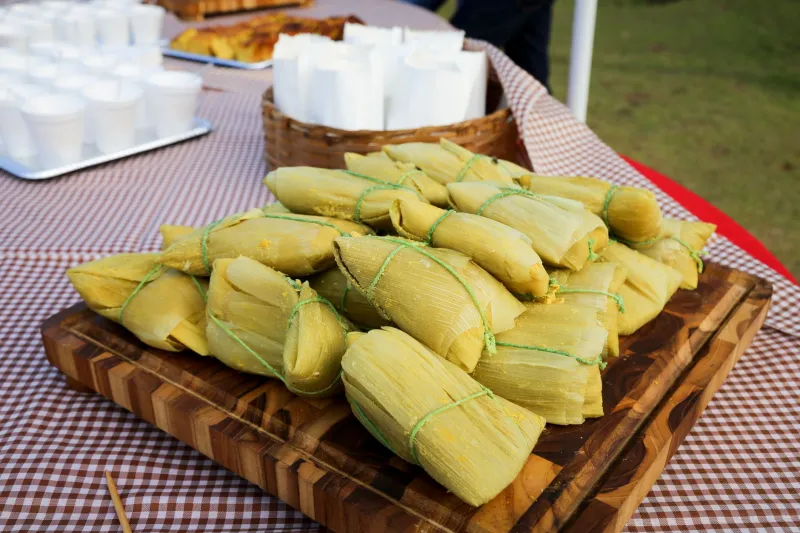
Bollos: These are steamed corn dumplings, wrapped in corn husks or bijao leaves, and they are essentially a vehicle for corn flavor. There's often a filling — pork, cheese, or chicharrón — but the masa itself is the main event. A bollo made with fresh masa has a tender, almost custardy interior and a corn flavor that's round and satisfying. Made with masa harina, it's still good, but it has a slightly gummier texture and the corn flavor is less vibrant.
Arepas panameñas: Panamanian arepas are thick, pan-fried corn cakes that are typically sweeter and softer than their Colombian or Venezuelan counterparts. They're a breakfast staple and a street food classic. The sweetness in the corn comes through most clearly when you're working with fresh masa or a good-quality masa harina. Pre-seasoned "arepa mixes" sold in boxes often contain additives that muddle the clean corn flavor.
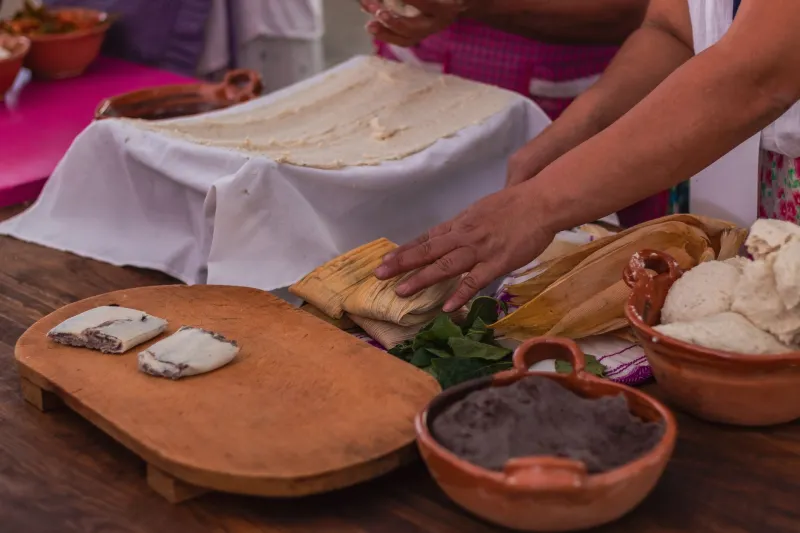
Tamales: As discussed in any serious Panamanian food conversation, the tamal is a cornerstone holiday dish. The masa layer in a tamal needs to be smooth, slightly rich (it's typically mixed with broth and sometimes lard or butter), and flavorful enough to stand up to the filling. Fresh masa handles this beautifully. Masa harina works well with proper hydration and fat ratios. Polenta or regular cornmeal? Don't do it.
Finding Fresh Masa in the US
This is the practical question, and the answer varies a lot by location. If you're in a city with a substantial Mexican or Central American community — Los Angeles, Chicago, Houston, Miami, New York — there's a reasonable chance you have access to a tortilleria or Latin bakery that makes and sells fresh masa by the pound. Call ahead and ask; many of these places sell it to home cooks without any fanfare.
Fresh masa from a tortilleria is typically made for tortillas, which means it's finely ground and ready to use for most applications. For bollos or tamales, you may want to add a bit more fat and adjust the hydration. Ask the staff what they'd recommend — they know their product.
If fresh masa isn't accessible, masa harina is your best friend. Maseca is the most widely distributed brand and performs consistently. Bob's Red Mill also makes a masa harina that some cooks prefer for its slightly coarser texture. Hydrate it properly — the package instructions are a starting point, but you'll often need a little more liquid than they suggest — and add broth instead of plain water when making tamale dough for a significant flavor boost.
The Store-Bought Comparison: An Honest Assessment
Let's be direct about what you're giving up and what you're not when you use masa harina.
You're not giving up good results. Masa harina produces excellent arepas, bollos, and tamales. Millions of home cooks use it every day and turn out food that's genuinely delicious and authentically flavored.
What you are giving up is a certain textural delicacy — that silky, slightly sticky quality that fresh masa has — and a layer of corn flavor that's more immediate and complex. For everyday cooking, the trade-off is completely reasonable. For a special occasion tamal, if you have access to fresh masa, it's worth the extra effort.
What you should avoid entirely is substituting fine-ground cornmeal (like polenta or standard cornmeal from the baking aisle) for masa in Panamanian recipes. These products haven't been nixtamalized, and the flavor and texture difference is significant enough to meaningfully change the dish.
Starting Small: One Dish, One Upgrade
If all of this feels like a lot to take in at once, here's a simple starting point: make one batch of arepas panameñas with masa harina, and then, the next time you have access to fresh masa, make them again. Taste them side by side. That comparison will tell you more than any article can about what the corn choice actually does to the finished dish.
Panamanian cooking rewards attention to foundational ingredients. Corn is as foundational as it gets.