Once a Year and Worth Every Bite: A Home Cook's Guide to Panama's Most Beloved Seasonal Dishes
There's a particular kind of anticipation that surrounds food you only get to eat once a year. It's different from craving something you could theoretically make any Tuesday. It's closer to nostalgia that hasn't happened yet — a forward-looking hunger that's as much about memory and ritual as it is about actual flavor. Panama has that in abundance.
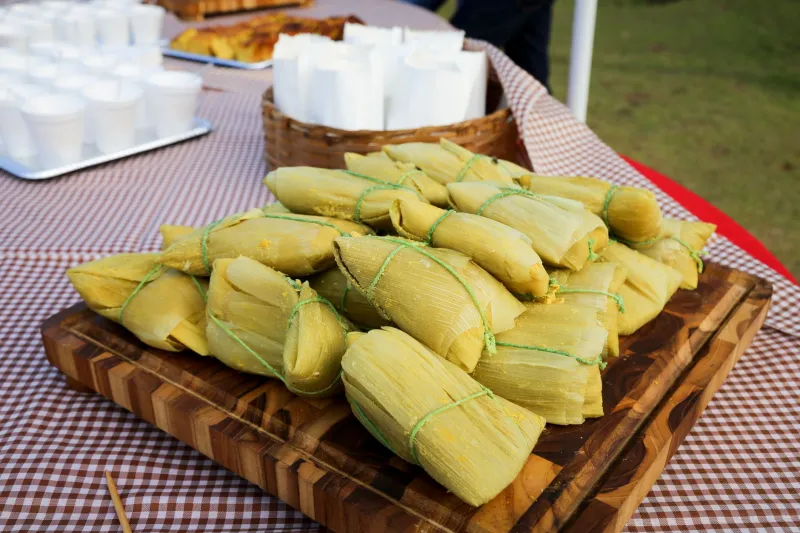
The Panamanian culinary calendar is dense with dishes that are tied to specific holidays, religious observances, and cultural celebrations. These aren't just foods people happen to cook during certain seasons. They're foods that define those seasons. If you grew up Panamanian, the smell of tamales steaming means it's Christmas. The sight of arroz con guandú means Carnival is close. These associations are hardwired.
For American home cooks — whether you're Panamanian-American, married into the culture, or just deeply into the cuisine — knowing these dishes and being able to make them is one of the most meaningful ways to connect with Panamanian food at its most authentic level.
Christmas Tamales: The Dish That Defines December
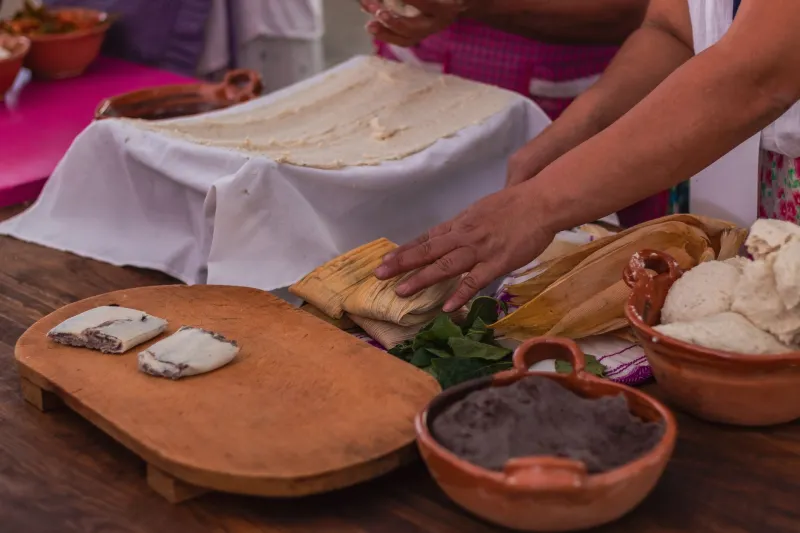
If there's one dish that has the most emotional real estate in the Panamanian holiday kitchen, it's the tamal. Not the Mexican tamal you might already be familiar with, though they're cousins. Panamanian tamales are wrapped in banana leaves, which gives the masa a faintly grassy, floral quality that corn husks simply don't deliver. The filling typically includes chicken or pork, raisins, olives, capers, and vegetables — a sweet-savory combination that reflects both Spanish colonial and Afro-Caribbean influences.
Making them is a production. In Panama, tamal-making is a multi-day, multi-generational event. Families gather to prepare the masa, cook the filling, assemble, wrap, and steam enormous batches. It's as much a social ritual as a cooking project.
Adapting for American kitchens: Banana leaves are available frozen at most Latin grocery stores and many Asian supermarkets. Thaw them, wipe them down, and briefly pass them over a gas burner or hot pan to make them pliable. For the masa, look for masa harina (Maseca is the most widely available brand) or, better yet, fresh masa from a Latin tortilleria if you have one nearby. The filling is forgiving and adaptable — rotisserie chicken works fine if you're short on time. Make a big batch; they freeze beautifully and reheat well.
Arroz con Guandú: Carnival in a Bowl
Carnival in Panama is loud, colorful, four days of organized chaos, and deeply delicious. And arroz con guandú — rice cooked with pigeon peas, often enriched with coconut milk and seasoned with culantro and ají — is the dish that shows up at virtually every Carnival gathering, family cookout, and street food setup during the celebration.
Guandú (pigeon peas) are a staple of Caribbean and Latin American cooking, and they bring an earthy, slightly nutty quality to rice that regular beans don't replicate. The coconut milk version is particularly common on the Caribbean coast and gives the dish a richness that makes it satisfying as a standalone meal, not just a side.
Adapting for American kitchens: Dried or canned pigeon peas are available at Caribbean, Latin, and some South Asian grocery stores. Canned pigeon peas work well here — rinse them and add them partway through the rice cooking process. Use full-fat coconut milk (about half a can per two cups of dry rice) and don't skip the culantro if you can find it. Fresh cilantro is a reasonable substitute but adds a slightly different flavor profile. This dish actually improves overnight, so it's a great make-ahead option for a party.
Semana Santa Seafood: The Religious Calendar Meets the Coastline
Holy Week — Semana Santa — is observed seriously throughout Panama, and the dietary tradition of abstaining from meat on certain days has produced some of the country's most creative seafood cooking. Ceviche gets made in large quantities. Fish stews appear on tables that rarely see them the rest of the year. And specific preparations like pescado en escabeche — fish marinated in a vinegar-based sauce with vegetables and spices — become Semana Santa staples.
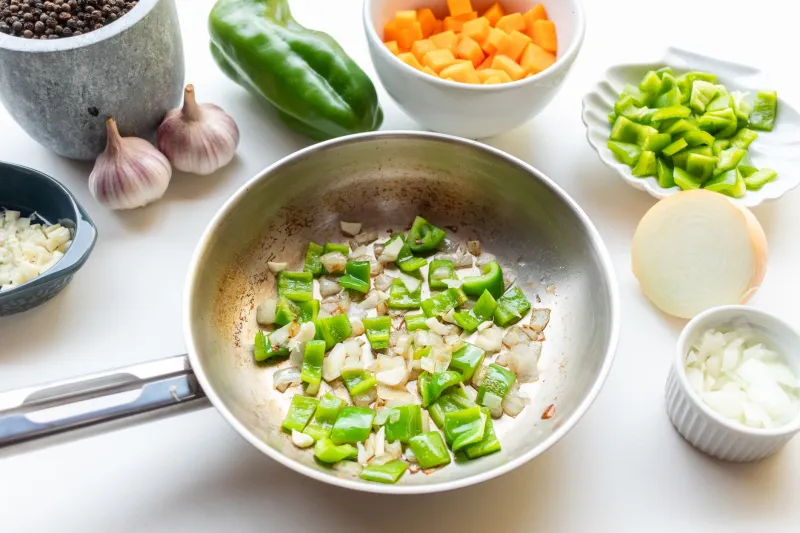
Escabeche is a preservation technique with roots in Spanish and Moorish cooking, and in Panama it's been adapted into something that tastes simultaneously briny, bright, and deeply savory. It's typically made with firm white fish — corvina or snapper work well — fried first and then marinated in a cooked sauce of onions, peppers, vinegar, olives, and spices.
Adapting for American kitchens: Corvina can be hard to find, but red snapper, striped bass, or even cod produces excellent results. The escabeche actually needs time — make it at least a day ahead and let the fish absorb the marinade in the refrigerator. Serve it at room temperature with white rice or tostones. It keeps well for three to four days, which makes it ideal for the extended Semana Santa celebrations.
Keeping the Calendar Alive Year-Round
Here's the thing about seasonal dishes: the scarcity is part of the experience, but that doesn't mean you have to wait for the actual holiday to cook them. Making Panamanian Christmas tamales in July or arroz con guandú on a random Saturday isn't sacrilegious — it's how cuisines survive in diaspora. You cook what you crave, you share it with people who've never had it, and the tradition spreads.
What matters is that you understand the context. Know that the tamal you're making in your Chicago apartment in March is a Christmas dish back home. Know that the arroz con guandú you're bringing to a summer potluck is Carnival food. That knowledge changes how you talk about the food, how you share it, and how you connect it to the culture it comes from.
Seasonal Panamanian cooking isn't locked behind a calendar. It's just waiting for you to take it seriously.