Grow These Three Herbs and Your Kitchen Will Never Taste the Same
There's a moment every home cook eventually hits. You follow a recipe to the letter — the technique is right, the timing is right — and it still doesn't taste quite like what you had at a Panamanian friend's house, or at that little spot in Miami, or on that trip you still talk about. The gap, more often than not, lives in the herbs.
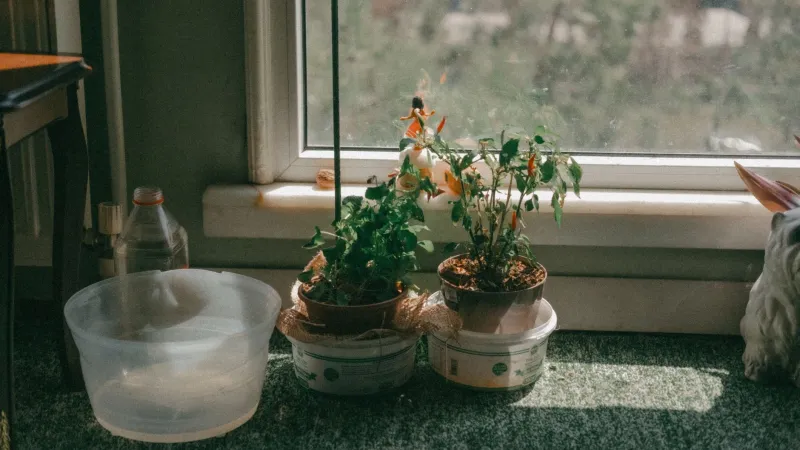
Panamanian cooking leans on a handful of aromatics that American grocery stores either don't carry or carry in sad, dried-out versions that barely count. The good news? These herbs are genuinely easy to grow at home. You don't need a sprawling backyard or a greenhouse. A sunny window, a few containers, and a little patience will get you further than any specialty import.
Here are the three you want to start with — and how to actually use them once they're growing.
Culantro: The Herb That Cilantro Wishes It Was
If you've spent any time around Panamanian cooking, you've heard about culantro. It goes by a few names — recao, shadow beni, long coriander — and it shows up in sofrito, soups, stews, and pretty much anything that needs a deep, grassy, slightly pungent backbone. It smells like cilantro's more intense older sibling, and that's basically what it is.
The flavor holds up to heat in a way that cilantro never manages. You can throw culantro into a simmering pot of sancocho at the beginning of cooking and it will still be doing its job at the end. That's the quality that makes it essential rather than optional.
Growing it at home: Culantro is a tropical plant, so it genuinely loves warmth and humidity. In USDA zones 10–11 (South Florida, parts of Southern California, Hawaii), you can grow it outdoors year-round. Everywhere else, treat it as an annual in summer or grow it indoors near your sunniest window. It actually prefers partial shade to full sun — too much direct afternoon light and the leaves get bitter. Keep the soil consistently moist but not waterlogged, and harvest outer leaves first to encourage new growth from the center.
Start from seed or, if you can find a plant at a Caribbean or Latin grocery store, you can often propagate from a healthy cutting. Seeds are slow to germinate — sometimes two to three weeks — so be patient.
Using it: Blend it into your sofrito base, chop it into ceviche at the last minute, or simmer whole leaves in rice and beans. A few fresh leaves torn over a bowl of soup right before serving will make the whole dish taste more alive.
Ají Chombo: The Scotch Bonnet Panama Calls Its Own
Panamanian food doesn't have a reputation for being fiery, and that's mostly accurate — heat is used with restraint, as an accent rather than a statement. But that doesn't mean the cuisine is shy about chiles. Ají chombo, the Panamanian name for the Scotch bonnet pepper, is the one chile that appears consistently across the country's cooking, and the relationship is specific: you want its fruity, floral heat, but you almost never want it to overwhelm everything else.
In Panama, cooks often add a whole chombo to a pot — letting it perfume the dish without splitting the skin and releasing full heat. It's a technique worth knowing.
Growing it at home: Scotch bonnet peppers (which you can find under that name at most garden centers or online seed retailers) are the same plant. They love heat, full sun, and well-draining soil. In most of the continental US, you can grow them as summer annuals — start seeds indoors about eight to ten weeks before your last frost date, then transplant outside once nighttime temperatures stay above 60°F.
They're container-friendly, which makes them ideal for apartment dwellers with a south-facing balcony. They'll produce prolifically through the summer and into fall. If you're in a warm climate, they can overwinter indoors and come back stronger the following year.
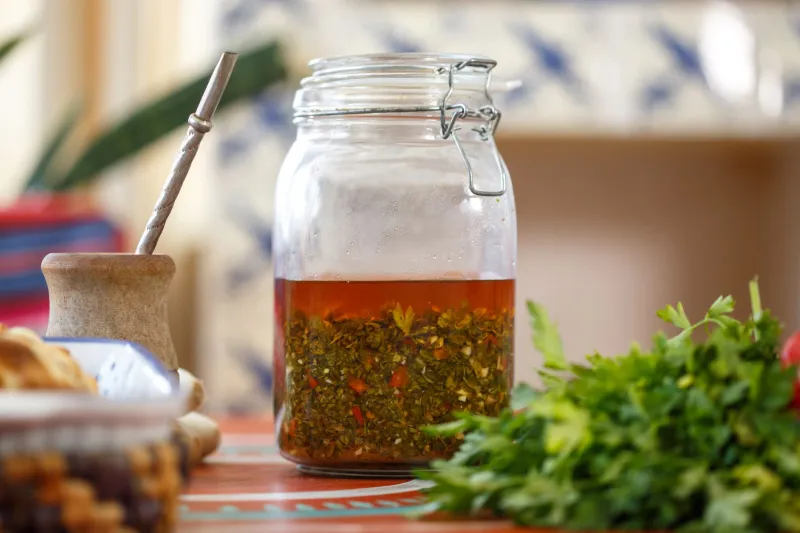
Using it: Drop a whole pepper into soups or stews while they cook, then remove before serving. Slice and use sparingly in salsas or escabeche. Or make a simple chombo hot sauce — blend with a little vinegar, garlic, and salt — and keep it in the fridge for weeks. A drop goes a long way.
Panamanian Oregano: The One That Actually Smells Like Something
This one surprises people. Panamanian oregano — sometimes called Mexican oregano or Cuban oregano depending on the variety — is a completely different plant from the Mediterranean oregano sitting in your spice rack. The flavor is more citrusy, more complex, slightly resinous, and significantly more potent. One fresh leaf does the work of a tablespoon of the dried stuff you've been shaking over pasta for years.
In Panama, it turns up in rice dishes, marinades, and slow-cooked meats. It's the herb that gives certain traditional dishes a warm, almost floral undertone that's hard to pin down but immediately missed when it's absent.
Growing it at home: This is the easiest of the three. Panamanian or Cuban oregano (Plectranthus amboinicus) is a succulent-like plant that thrives on neglect. It does well in containers, tolerates some drought, and grows happily on a sunny windowsill indoors. In warmer climates (zones 9 and above), it can live outside year-round.
Look for it at Latin plant nurseries or order online — it's increasingly available. Propagate by snipping a stem just below a node, letting it sit in water until roots form, then transferring to well-draining soil. Once established, it grows quickly and requires very little attention.
Using it: Use fresh leaves rather than dried whenever possible. Chop finely and add to marinades for chicken or pork. Steep a few leaves in oil for a quick herb oil to drizzle over grilled fish. Add to rice during cooking for a subtle aromatic lift.
Why This Actually Matters
Growing these herbs at home isn't a project for purists or food nerds — it's a practical move for anyone who wants to cook Panamanian food with any regularity. Fresh culantro from your windowsill tastes nothing like the dried version. A chombo from your patio has a brightness that store-bought peppers often lack. And Panamanian oregano simply doesn't exist in most American grocery stores in a form worth buying.
The other thing about growing your own: it changes how you cook. When you have a pot of culantro sitting on your counter, you start reaching for it instinctively. You add a leaf here, tear one over a bowl there. That's exactly how Panamanian home cooks work — not measuring, not consulting a recipe, just cooking with what's alive and growing nearby.
That's the whole idea. Start with the herbs, and the rest tends to follow.