Meet the Golden Paste That Panamanian Cooks Use to Make Everything Taste Better
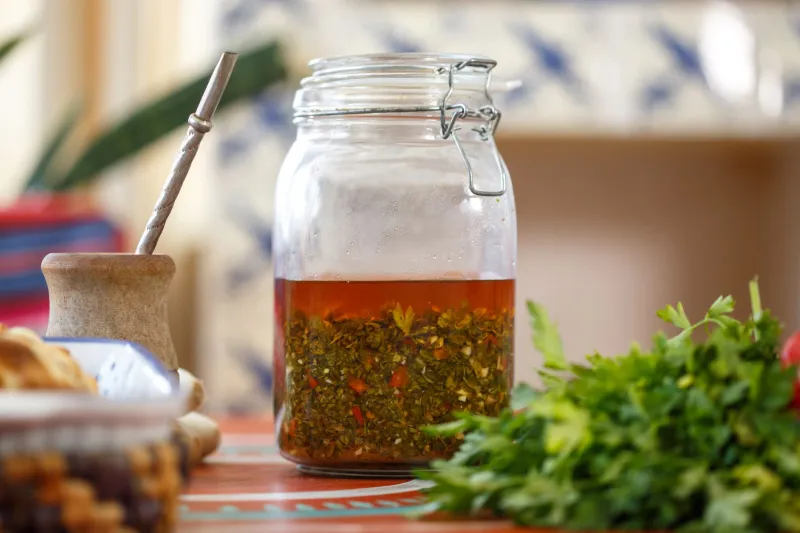
If you've ever eaten a bowl of Panamanian arroz con pollo and couldn't quite put your finger on what made it taste so complete — layered and savory and somehow more alive than anything you've cooked at home — the answer was probably sofrito. Not the jarred red stuff sitting in the international aisle at your grocery store. Not the Puerto Rican recaíto, as good as that is. The Panamanian version: a golden, herb-forward paste that gets cooked down low and slow until your whole kitchen smells like it knows what it's doing.
Think of it the way French cooks think about mirepoix, or the way a Japanese chef reaches for miso. It's a foundational flavor move. Master it once, and you've got a key that unlocks a whole cuisine.
So What Actually Goes Into It?
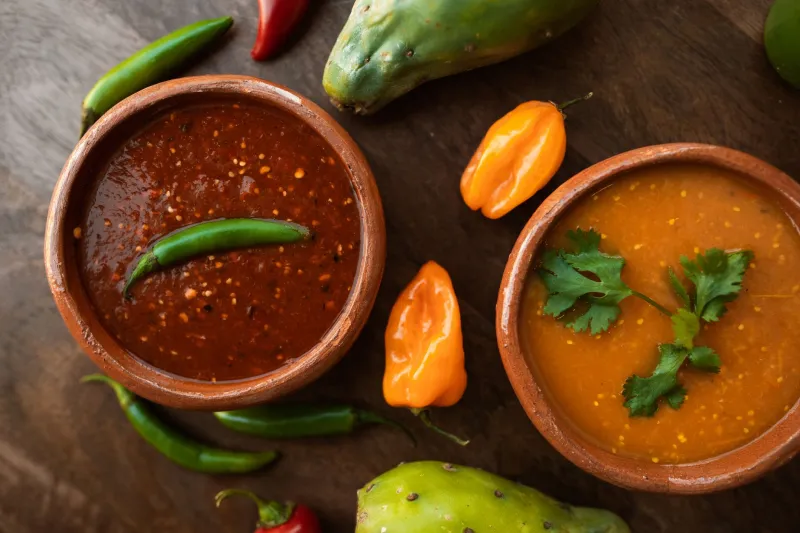
Panamanian sofrito — sometimes called refrito in local kitchens — is built around a handful of ingredients that most American cooks already have some version of at home. The core is culantro (not cilantro — more on that in a second), ají chombo or sweet peppers, onion, garlic, and tomato. Some cooks add a bit of celery. Others swear by a splash of sour orange juice. Every family has its own version, which is part of what makes it so interesting to learn.
The ingredient that tends to trip people up is culantro, also called recao or shadow beni depending on where you are in Latin America. It looks like a long, serrated leaf — almost like a dandelion leaf — and it smells like cilantro cranked up to eleven. You can find it at most Latin grocery stores, Caribbean markets, or Asian supermarkets (it's used widely in Southeast Asian cooking too). If you genuinely cannot track it down, a combination of regular cilantro and a small amount of flat-leaf parsley gets you reasonably close. But culantro is worth hunting for. It's the note that makes Panamanian sofrito taste distinctly Panamanian rather than just generically Latin.
Why Store-Bought Versions Miss the Point
Here's the honest truth about jarred sofrito: it's not bad, but it's solving a different problem than the one Panamanian cooking is trying to solve. Most commercially produced sofrito is made for shelf stability and broad appeal, which means the aromatics are muted, the texture is uniform, and any real brightness has long since faded. It's like buying pre-minced garlic in a jar — technically garlic, technically convenient, but stripped of the thing that made garlic worth using in the first place.
Homemade sofrito is alive in a way that jarred versions simply aren't. The volatile oils in fresh culantro and garlic, the water content in fresh tomato, the slight bitterness of raw onion that softens into sweetness as it cooks — none of that survives the canning process intact. When you make a batch yourself, you're working with ingredients at their peak, and the difference shows up immediately on the plate.
How to Make It (The Panamanian Way)
This is a simple process. You don't need a mortar and pestle, though you can use one if you want a more textured result. A blender or food processor works perfectly.
What you'll need:
- 1 bunch culantro (about 10–12 leaves), roughly chopped
- 1 medium white onion, quartered
- 6 cloves garlic
- 2 ají amarillo peppers or sweet cubanelle peppers (seeds removed)
- 2 medium roma tomatoes, roughly chopped
- 2 stalks celery
- Juice of 1 sour orange (or a mix of orange juice and lime juice if unavailable)
- Salt to taste
- 2–3 tablespoons neutral oil
The method:
Combine everything except the oil in a blender or food processor. Pulse until you have a rough, slightly chunky paste — you want texture here, not a smooth purée. Then heat your oil in a heavy-bottomed pan over medium-low heat, add the paste, and cook it down slowly, stirring occasionally, for about 15–20 minutes. It'll go from bright green and raw-smelling to a deeper, golden-tinged mixture with a rounder, more complex aroma. That transformation is the whole point.
What you end up with is roughly 1 to 1.5 cups of sofrito that you can use immediately or refrigerate for up to a week. It also freezes beautifully — pour it into an ice cube tray, freeze, then transfer the cubes to a zip-lock bag. Pull out a cube or two whenever you need a flavor boost.
What to Do With It
The short answer: almost everything. A few tablespoons of sofrito cooked into the bottom of a pot before you add rice turns plain white rice into something people will ask you about. It's the base for guacho (a thick, porridge-like rice dish from the Azuero Peninsula), for stewed beans, for chicken braises, for fish soups. Rub it under the skin of a whole chicken before roasting. Stir a spoonful into scrambled eggs. Use it as the starting point for a quick weeknight pasta sauce if you want to see something interesting happen.
The more you cook with it, the more intuitive it becomes. You'll start to recognize the moment it needs to be added, the way a good cook feels when a dish needs salt.
The Bigger Picture
Learning to make sofrito from scratch is one of those rare kitchen techniques that punches well above its weight. It's not complicated, it doesn't require special equipment, and the ingredients are increasingly easy to find in most American cities. But the payoff is enormous — you go from cooking dishes inspired by Panamanian food to cooking dishes that actually taste like Panamanian food.
That's the whole reason this paste exists in the first place. Panamanian home cooks weren't trying to create a signature technique. They were just trying to make dinner taste the way dinner should taste: warm, layered, and deeply satisfying. Sofrito is how they got there. Now you can too.