Panama Grows Some of the World's Most Interesting Cacao — Here's Why You've Never Tasted It
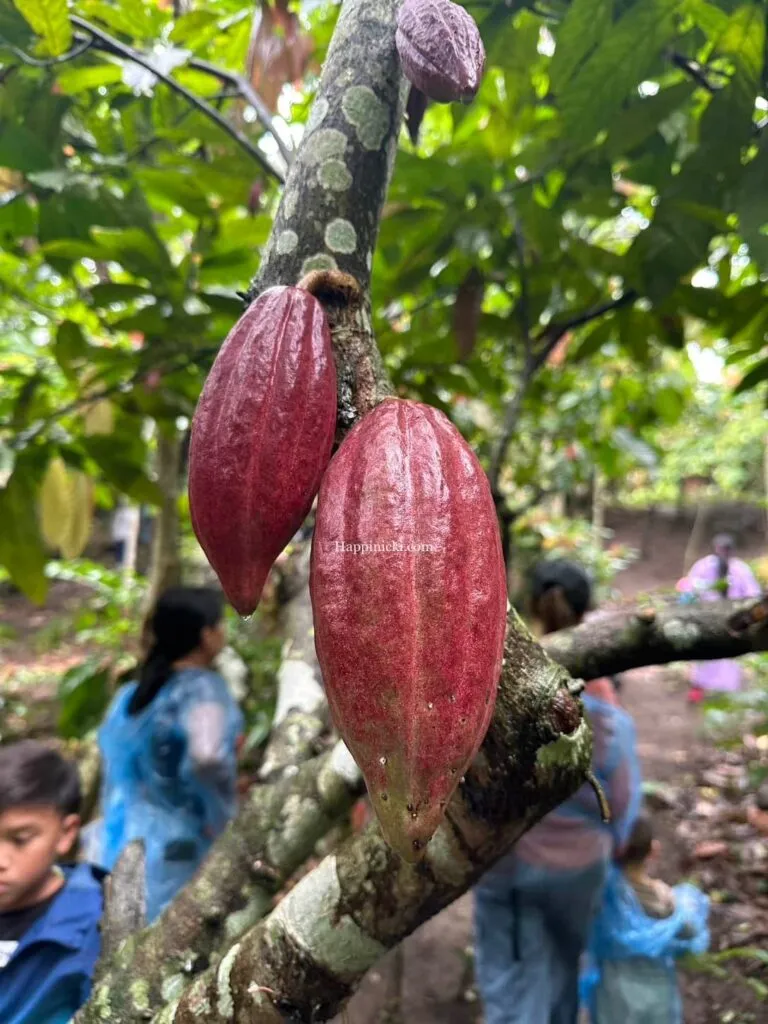
Photo: Panama rainforest cacao pods heritage chocolate small farm harvest, via happinicki.com
Pick up a standard chocolate bar from your grocery store and you're probably tasting West African bulk cacao — perfectly fine, reliably consistent, and almost entirely anonymous. The industry runs on it. But there's a whole other world of cacao out there, grown in small quantities by farmers who've been doing this for generations, producing beans with flavor complexity that would make your average chocolate lover stop mid-bite and ask wait, what is this?
Panama is one of the most underrepresented players in that world. And it's time that changed.
A Rainforest With a Lot to Say
Panama's geography does something remarkable for agriculture. The country sits at the biological crossroads of North and South America, with Caribbean humidity on one coast and Pacific dryness on the other, all of it threaded through with rainforest ecosystems that have never been particularly interested in playing by the rules. That biodiversity translates directly into what grows there — and cacao is one of the big winners.
The Ngäbe-Buglé region, the Bocas del Toro archipelago, and the Darién jungle corridor are all home to cacao cultivation with deep roots. Some of the trees in these areas are old-growth varieties — not the high-yield hybrid clones that dominate commercial production, but heritage strains with names like Nacional, Pataste, and various Criollo-adjacent genetics that produce beans in smaller quantities and with dramatically more complex flavor.
When chocolate makers talk about terroir — the idea that where something grows shapes how it tastes — Panamanian cacao is one of the most compelling examples they can point to. These beans carry the forest with them. You taste it.
What Makes the Flavor Different
Mass-market chocolate is engineered for consistency. The cacao is blended from multiple origins, heavily roasted to smooth out any rough edges, and loaded with enough sugar and emulsifiers to keep everything predictable. That approach works for what it's trying to do. But it also eliminates everything interesting.
Authentic Panamanian cacao — particularly from Bocas del Toro and the indigenous farming communities of the Ngäbe-Buglé — tends toward what tasters describe as fruity, earthy, and slightly wild. Expect notes of red fruit, sometimes tropical (think dried mango or tamarind), occasionally a deep mushroom or forest floor quality that sounds strange until you taste it and realize it's exactly right. There's often a natural tartness that cuts through richness in a way that makes you want another bite immediately.
The fermentation process is a huge part of this. Small Panamanian producers typically ferment their cacao in wooden boxes or banana leaf-lined piles for five to seven days — a traditional method that allows the beans to develop flavor compounds you simply can't replicate in industrial processing. It's slow, labor-intensive, and completely worth it.
Finding Panamanian Cacao in the US
This is where things get a little tricky, but not impossible.
The craft chocolate movement in the US has been quietly sourcing Panamanian beans for the past decade. Look for bean-to-bar makers who list origin transparently on their packaging. A few names worth seeking out: Zorzal Cacao has worked with Panamanian producers, and several small-batch US chocolate makers — including some you'll find at farmers markets and specialty food shops — carry Bocas del Toro origin bars.
For raw or minimally processed cacao products (nibs, powder, paste), check out specialty importers on platforms like Etsy and direct-trade food retailers. Search specifically for "Panama cacao nibs" or "Bocas del Toro chocolate" and you'll start finding small producers who ship directly to US customers. The price point will be higher than your grocery store cocoa powder. It should be — and it's worth every cent.
If you're in a city with a strong specialty food scene (New York, Los Angeles, Chicago, Portland), check chocolate-focused shops and ask specifically about Panamanian or Central American origins. The staff at good bean-to-bar shops love these conversations.
How to Actually Cook With It
This is where we get into the fun part — because Panamanian cacao isn't just for eating out of hand. It belongs in your kitchen.
In Sweet Applications
Start simple. Swap your usual cocoa powder for Panamanian cacao powder in brownies or chocolate cake and taste the difference. Use a slightly lower quantity than the recipe calls for — the flavor is more intense and you'll want to calibrate. The fruity tartness works beautifully against the sweetness, adding a layer of complexity that makes baked goods taste more sophisticated without any additional effort.
For a dead-simple dessert that shows off the cacao's natural character: melt high-quality Panamanian dark chocolate with a little coconut oil, pour over sliced tropical fruit (mango, pineapple, papaya), and let it set. The pairing is not subtle. It's loud and wonderful and tastes exactly like Panama in the best possible way.
In Savory Applications
Here's where a lot of American cooks hesitate — and shouldn't. Cacao in savory cooking is not a new idea. Mole has been doing it for centuries. Panamanian cooking has its own traditions around this too, incorporating cacao into spiced meat dishes and slow-cooked stews.
Try adding a tablespoon of raw cacao nibs to a slow-braised short rib or oxtail dish in the last hour of cooking. The nibs add a subtle bitterness that cuts through fat and deepens the sauce in a way that's hard to identify but impossible to ignore. You can also stir a small amount of cacao paste into a black bean stew for body and earthiness — it's a technique that connects directly to indigenous Panamanian cooking traditions and it works every single time.
For a quick weeknight win: rub chicken thighs with a blend of ground cacao powder, smoked paprika, cumin, garlic powder, salt, and a pinch of cayenne before searing. The cacao forms part of the crust and adds a roasty depth that makes it taste like you did a lot more work than you actually did.
Why This Matters Beyond the Plate
When you buy authentic Panamanian cacao from small producers, you're participating in something that goes beyond good food. Many of the farming families growing these heritage varieties are indigenous communities for whom cacao cultivation is tied directly to land stewardship, cultural identity, and economic sovereignty. The global craft chocolate market is one of the few food economies where small producers can actually command fair prices for exceptional quality.
Knowing where your chocolate comes from — and choosing to pay for the real thing — keeps those trees in the ground and those traditions alive. That's a pretty good return on a bar of chocolate.
Panama has been growing extraordinary cacao quietly and patiently for generations. It's your turn to pay attention.