Low, Slow, and Worth Every Minute: The Magic Behind Panama's Greatest Braised Meat Dishes
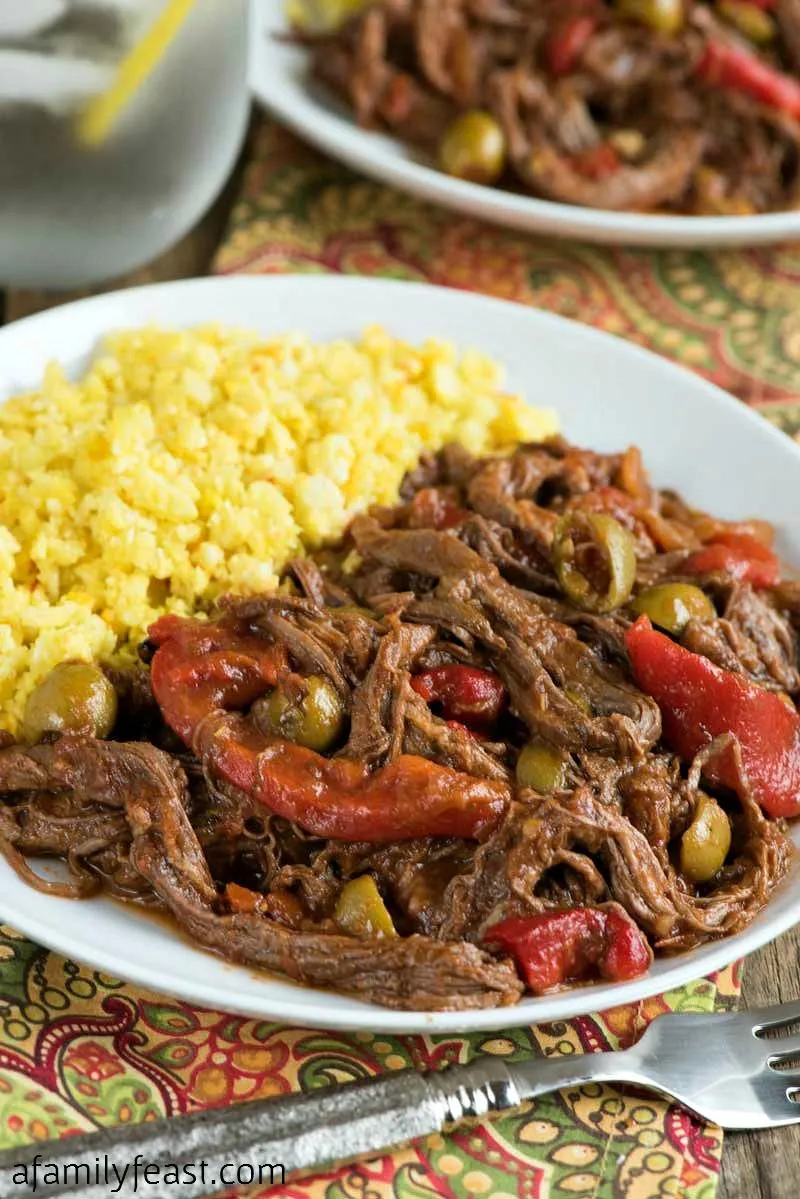
Photo: braised shredded beef ropa vieja in tomato sauce Dutch oven, via i.pinimg.com
There's a particular smell that Panamanians raised in traditional households recognize instantly — a deep, savory warmth that drifts through the whole house by mid-morning and keeps building until lunch. It's not coming from a pressure cooker. It's not a 30-minute weeknight hack. It's a heavy pot sitting over low heat, doing its quiet, unhurried work for hours. And what comes out of that pot is the kind of food that makes people close their eyes when they take the first bite.
Panama's slow-cooked meat tradition is one of the most underappreciated chapters in the country's culinary story. Dishes like ropa vieja — tender shredded beef pulled into silky, sauce-soaked strands — and guisado, a hearty braised stew that shows up in countless regional variations, are the backbone of home cooking from Panama City to the interior provinces. And they have one thing in common: time. Lots of it.
What "Slow" Actually Means Here
When Panamanian home cooks talk about slow cooking, they're not describing a four-hour pressure cooker setting or a slow cooker you plug in before work. They mean a pot on the stovetop, a flame turned down to barely a whisper, and a cook who checks back every so often — stirring, tasting, adjusting. The process is hands-on in a low-key way. Attentive, not frantic.
Ropa vieja, which translates literally to "old clothes" (a nod to the shredded, tangled look of the finished beef), typically starts with a tough, collagen-rich cut — flank steak, brisket, or chuck — simmered in seasoned broth until it practically falls apart. The braising liquid isn't just water. It's built from sofrito, tomatoes, peppers, onions, garlic, and a handful of aromatics that vary by family. That liquid becomes the sauce. Nothing gets wasted.
Guisado is more of a category than a single dish. You'll find guisado de pollo, guisado de res, even guisado de puerco — each one a braised protein cooked down in a rich, tomato-forward base with whatever vegetables are on hand. The technique is the constant. The ingredients flex.
The Science Your Abuela Already Knew
Here's the thing: the slow-cooking approach isn't just tradition for tradition's sake. There's real chemistry happening in that pot that shortcuts simply can't replicate.
Collagen — the connective tissue running through tougher, cheaper cuts of meat — breaks down into gelatin when exposed to sustained, moist heat over a long period. That gelatin is what gives a properly braised dish its silky, almost lip-coating richness. A pressure cooker can get you to tender, sure. But the rapid, high-pressure environment doesn't allow the same gradual transformation. The result is often meat that's soft but somehow flat — missing that unctuous quality that makes you want to mop the plate clean.
Flavor development works similarly. The Maillard reaction — the browning that happens when you sear meat before braising — creates hundreds of new flavor compounds. Those compounds then meld with the braising liquid over hours, deepening and rounding out in ways that simply don't happen in a 45-minute fast-cook. The difference isn't subtle. It's the difference between a dish that tastes like dinner and one that tastes like a memory.
Voices from the Kitchen
Talk to anyone who grew up eating this food and they'll tell you the same thing: the patience was part of the lesson.
"My grandmother would start the ropa vieja before church on Sundays," says Marisol, a Panama City native now living in Miami. "By the time we got home, the whole apartment smelled incredible. She never rushed it. She said the meat needed to tell you when it was ready, not the other way around."
Chef Ernesto, who runs a small Latin restaurant in New Jersey and grew up in Chiriquí province, echoes that sentiment. "I tried to speed things up when I first opened — shorter braises, faster techniques. Customers could tell. Not that it was bad, but it wasn't the same. Now I block out the time. You can't fake what happens in a slow braise."
That philosophy — letting the food set the timeline — is woven into the culture of Panamanian cooking in a way that's hard to separate from the food itself.
Adapting for the American Kitchen Without Losing the Soul
The good news for home cooks in the US is that these dishes are genuinely forgiving. You don't need special equipment. A heavy-bottomed Dutch oven or a deep skillet with a tight lid will do the job beautifully.
A few practical adjustments make the process easier without compromising results:
Use the right cuts. Flank steak and chuck roast are widely available at most American grocery stores and are ideal for ropa vieja. For guisado, bone-in chicken thighs or beef short ribs bring the collagen content that makes the sauce sing. Lean cuts — chicken breast, sirloin — won't give you the same depth.
Build your sofrito first. Don't skip this step. Sautéing your aromatics — onion, garlic, ají dulce or bell pepper, tomato, culantro if you can find it — before adding the meat creates a flavor foundation that carries the whole dish. Five minutes here pays off in hours of flavor.
Keep the heat genuinely low. This is the part Americans tend to struggle with. We're conditioned to cook things at medium or higher. For a proper braise, you want a lazy, occasional bubble — not a rolling simmer. If you're hearing a lot of activity in the pot, turn it down.
Taste as you go. Season in layers. Add salt early, taste again halfway through, adjust at the end. The braising liquid concentrates as it cooks, so what tastes right at the start might need tweaking after an hour.
Let it rest. This one gets overlooked. After the braise is done, letting the meat sit in the liquid for even 15 minutes before serving allows the fibers to reabsorb some of that sauce. The difference in moisture and flavor is noticeable.
The Dish That Teaches You to Cook
There's a reason these slow-cooked dishes show up at every important table in Panama — Sunday lunches, family gatherings, the meal that gets made when someone needs comforting. They're not complicated. They're not fussy. But they demand something that modern cooking culture tends to undervalue: your time and your attention.
And that's kind of the point. When you make ropa vieja the right way, you're not just feeding people. You're investing in them. You're saying this meal was worth four hours of your Sunday. That comes through in the food. Every time.
So the next time a recipe tells you to cut the braise time in half or swap in a faster technique, remember what's actually at stake. The shortcut saves you an hour. The slow cook gives you something worth talking about at the table.