The Rice That Belongs Next to Your Turkey This Thanksgiving
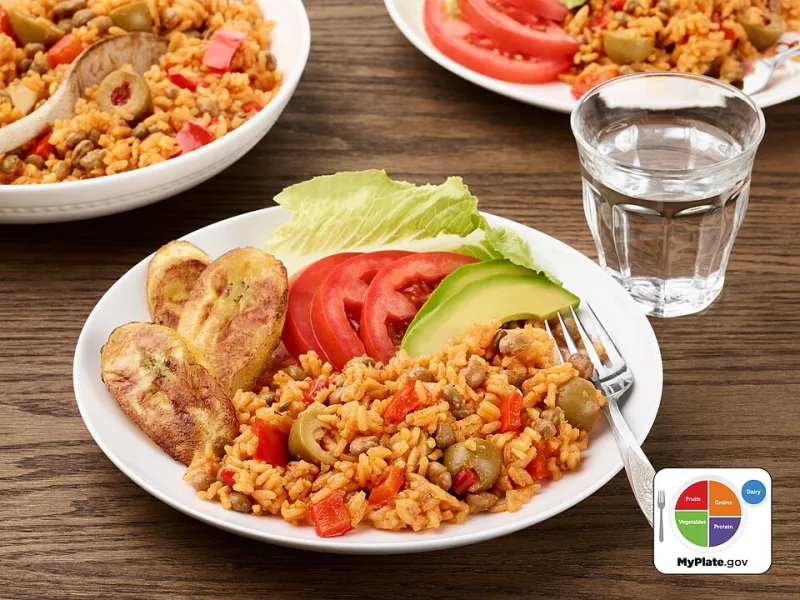
Photo: USDAgov, Public domain, via Wikimedia Commons
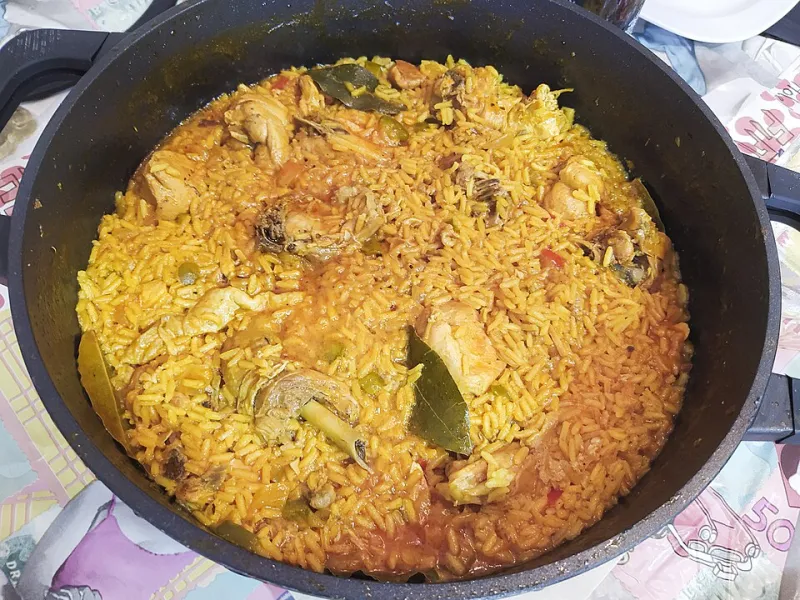
Thanksgiving menus are built on tradition, but tradition has room for one more dish. If your table already has turkey, stuffing, mashed potatoes, and something green, the missing piece might be a pot of arroz con guandú — Panama’s pigeon pea rice.
It is savory, earthy, and just rich enough to sit next to gravy without asking for attention. It also happens to be one of the most practical things you can add to a holiday kitchen: it feeds a crowd, it holds well, and it gets better after a short rest on the stove.
Why it works with turkey
Arroz con guandú is not a delicate rice. It is a holiday rice. The pigeon peas give it a meaty texture, the sofrito gives it a deep savory base, and the rice soaks up everything around it. That makes it a natural partner for roast turkey, especially when you spoon a little gravy over the top.
It also solves a real Thanksgiving problem: oven space. You can make it on the stovetop or in a rice cooker while the turkey rests. If you are feeding people with different dietary needs, it works as a hearty side that is not another potato. And unlike a fragile casserole, it travels well to a potluck.
What guandú actually is
Guandú is the Panamanian word for pigeon peas. In US grocery stores and Latin markets, you will often see them labeled gandules. They are small, green-brown legumes with a firm bite and a slightly nutty flavor. They show up all over the Caribbean and Latin America, but in Panama they are closely tied to celebrations, especially holidays and family gatherings.
You do not have to start from dried peas to make a good version. Canned and frozen gandules are widely available, and they save hours. If you use canned, rinse them well. If you use frozen, you can add them straight to the pot.
Where to find it in the US
Look in Latin American and Caribbean grocery stores first. Goya sells canned and frozen gandules in many mainstream supermarkets, usually in the international aisle. If you have a Puerto Rican, Dominican, or Panamanian market nearby, you will probably find several brands. Dried guandú is also sold in bags; it needs soaking and a longer cooking time, so save that for a weekend when you have more room in the schedule.
If you cannot find gandules, do not panic. Black-eyed peas are not the same, but they can work in a pinch. The flavor will be different, but the spirit of the dish survives.
A streamlined holiday method
This version is built for an American holiday kitchen: one pot, mostly pantry ingredients, and a rice cooker option if you are juggling burners.
Ingredients
- 2 cups long-grain white rice
- 2 cups cooked guandú (canned, rinsed, or frozen)
- 3 cups chicken broth or water
- 2 tablespoons olive oil or annatto oil
- 1 cup Panamanian-style sofrito (onion, bell pepper, garlic, culantro, tomato)
- 1 tablespoon tomato paste
- 1 teaspoon ground cumin
- 1 teaspoon dried oregano
- Salt and black pepper to taste
- Optional: 4 ounces bacon or smoked sausage, diced
Method
- If using bacon or sausage, brown it in a heavy pot over medium heat. Remove the meat and leave the fat behind.
- Add the sofrito and cook until it smells sweet and the liquid has cooked off, about 5 minutes. Stir in the tomato paste, cumin, and oregano and cook for another minute.
- Add the rice and stir to coat. Toast it for 2 minutes, then add the guandú, broth, salt, and pepper. Return the meat to the pot if you are using it.
- Bring to a boil, then lower the heat, cover, and simmer for 18 to 20 minutes, until the rice is tender and the liquid is absorbed. Do not stir while it cooks.
- Turn off the heat and let it sit, covered, for 10 minutes. Fluff with a fork before serving.
For a rice cooker, sauté the sofrito and seasonings in a pan first, then scrape everything into the rice cooker with the rice, peas, and broth. Use the regular white rice setting.
Make-ahead notes
You can make the sofrito a day or two ahead and keep it in the fridge. You can also cook the rice in the morning and reheat it with a splash of broth or water, covered, over low heat. Just do not cook it to mush on the first pass; the reheating will finish the job.
Arroz con guandú is not trying to replace stuffing. It is trying to sit beside it and make the plate feel complete. This Thanksgiving, give it a corner of the table and see what happens.