Your Slow Cooker Was Made for Sancocho — Panama's Chicken Stew Basically Invented Set-It-and-Forget-It
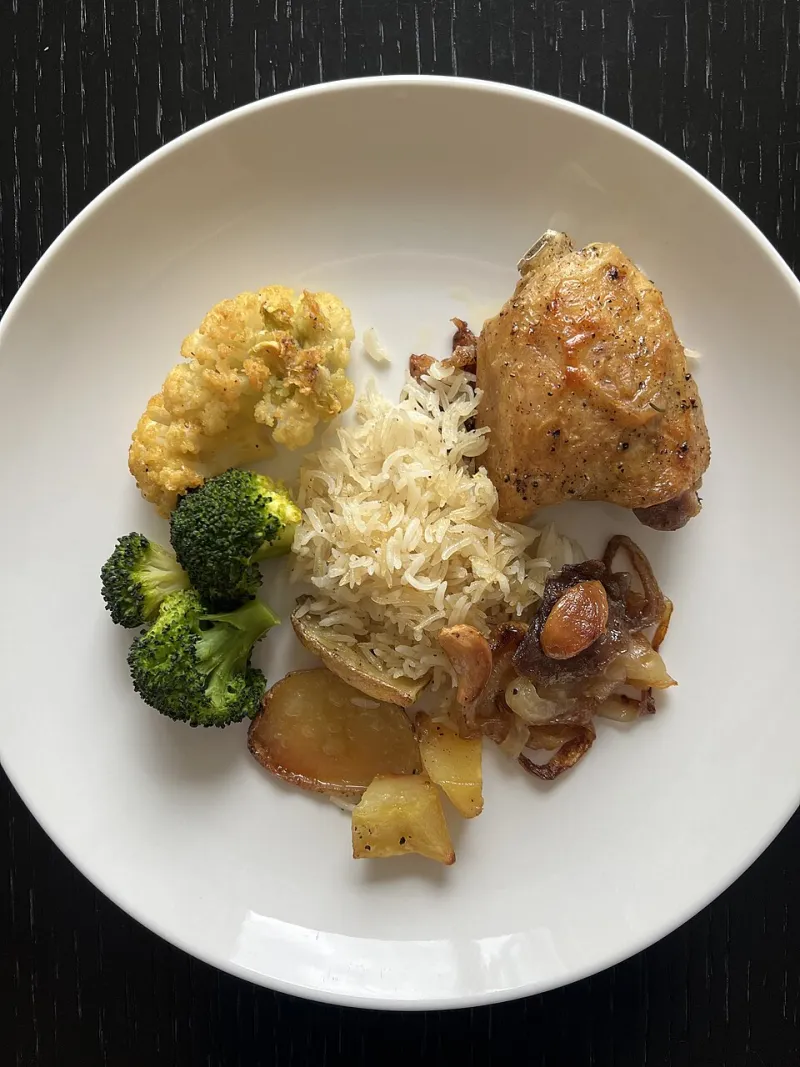
Photo: HaJunkiyada, CC BY-SA 4.0, via Wikimedia Commons
Every country has a soup it reaches for when life falls apart. In Panama, that soup is sancocho — and honestly, life falls apart less often there, because sancocho is always twenty minutes away.
It's the pot your neighbor brings over when you're sick. The dish that ends family arguments (or starts them, depending on who's cooking). The reason Panamanian abuelas keep a whole chicken on standby at all times. And here's the thing busy American home cooks need to hear: it might be the single most slow-cooker-friendly dish on the planet.
What Sancocho Actually Is
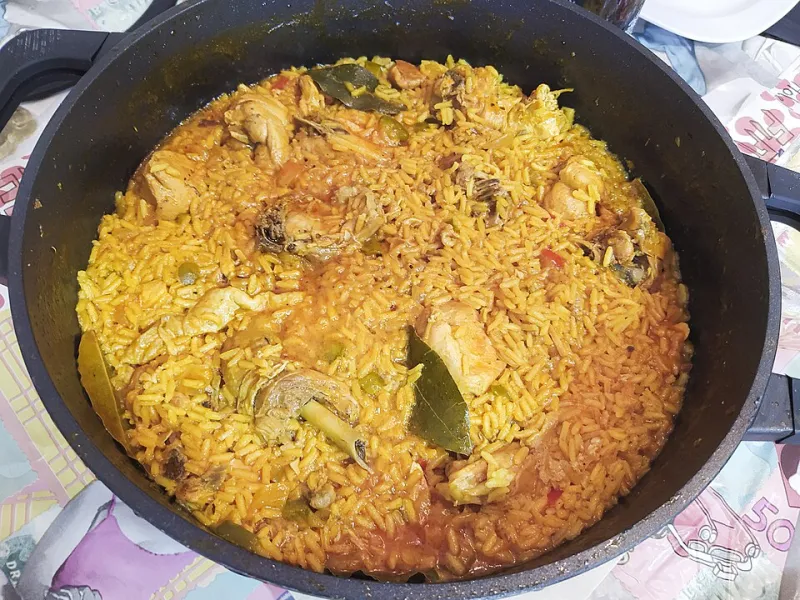
Strip away the sentimentality and you're looking at a deceptively simple stew: chicken, root vegetables, culantro (that long-leafed cousin of cilantro we've covered before), and a broth that tastes like it took all day even though it barely took an afternoon.
The Panamanian version is distinct from the sancochos of Colombia, Puerto Rico, or the Dominican Republic — it's lighter, chicken-forward rather than beef or pork, and unapologetically about the broth as much as the stuff in it. The yuca, ñame, and otoe break down slightly as they cook, thickening the liquid into something silky without a roux, a blender, or a single tablespoon of flour.
The American Grocery Store Translation
Here's where you stop scrolling and start shopping, because nothing in this recipe requires a specialty run:
- Chicken: Bone-in thighs are the move. Breasts dry out over a long cook; thighs get better. Skin on if you want richness, off if you don't.
- Yuca (cassava): Most major supermarkets carry it frozen, peeled and cut — a total gift, because fresh yuca is a workout to peel. Latin markets have it fresh if you're feeling ambitious.
- The other roots: ñame and otoe are harder to find, but parsnips, turnips, and russet potatoes fill the role beautifully. The goal is a mix of starchy and slightly waxy vegetables that dissolve at different rates.
- Culantro: Look for it labeled "recao" or "long coriander" at Latin groceries. If you truly can't find it, cilantro stems plus a squeeze of lime gets you closer than you'd think.
- The aromatics: Onion, bell pepper, garlic — the Panamanian holy trinity — plus a little oregano.
The Slow Cooker Method
Sancocho wasn't designed for a slow cooker, but it might as well have been. Panamanian cooks have always made it over low, patient heat in a heavy pot, mostly unattended. Your Crock-Pot is just doing the same job with a lid that doesn't rattle.
Step 1: Sear the chicken thighs in a skillet until the skin is golden. Yes, this dirties a second pan. Yes, it's worth it — that fond becomes the backbone of the broth.
Step 2: Into the slow cooker goes the chicken, a rough-chopped onion, a bell pepper, four or five smashed garlic cloves, a teaspoon of dried oregano, and enough chicken stock to cover everything by an inch.
Step 3: Cook on low for four hours. This is the part where you go live your life.
Step 4: Add the yuca and harder roots, and cook another two hours. Softer vegetables like potatoes and corn go in for the final hour so they don't vanish.
Step 5: The finishing move that separates good sancocho from great sancocho: a big fistful of culantro, chopped, stirred in during the last fifteen minutes. It perfumes the whole pot.
The Rules That Actually Matter
Panamanian home cooks will argue about sancocho the way Americans argue about chili — but there are a few points of near-universal agreement:
Don't drown it. Sancocho is a thick, almost spoonable stew, not a brothy soup. If your slow cooker lid collects too much condiment liquid, crack the lid for the last half hour.
Salt in stages. Roots absorb seasoning as they cook. Season at the start, taste at the end, adjust in between.
Serve it with white rice on the side, not in it. This is doctrine. Rice goes alongside, and you decide how much of it to spoon the broth over.
A squeeze of lime at the table is not optional. It's not traditional everywhere in Panama, but it's correct everywhere.
Why It Works for Real Life
A pot of sancocho feeds a family of four twice, freezes beautifully, and gets better on day two. It's naturally gluten-free, easily dairy-free, and cheap — we're talking chicken thighs and root vegetables, some of the most affordable protein and produce in the store.
But the real reason it earned its place in Panamanian kitchens is the reason it'll earn a place in yours: it's the meal you make when you want to take care of people without standing over a stove. The abuelas figured that out generations before the "set it and forget it" infomercial.
Some tricks are just old ideas waiting for the right appliance.