Five Panamanian Drinks Worth Knowing Before You Reach for the Rum

Photo by Photo by Ries Bosch on Unsplash on Unsplash
Ask most people what they'd drink with Panamanian food and you'll get one of two answers: rum or beer. And sure, both have their place — a cold Atlas lager with a plate of patacones is a perfectly respectable life choice. But Panama's actual drink culture is a lot more interesting than the tourist trail suggests, and most of it doesn't involve alcohol at all.
These are the drinks that actually show up on Panamanian family tables — at Sunday lunches, at birthday parties, after church, at the end of a long market morning. They're the beverages that Panamanian grandmothers made by feel and Panamanian kids grew up drinking out of plastic cups in the heat. And they pair with food in ways that feel genuinely intentional, not accidental.
Here are five of them, what they are, where they come from, and how to bring them into your kitchen.
1. Chicha de Maíz Morado — The Fermented Corn Drink That Earns Its Complexity
What it is: Chicha is a category of traditional corn-based drinks found across Latin America, but Panama's version — particularly chicha de maíz morado, made from purple corn — has its own distinct character. Lightly fermented, subtly tart, and deeply earthy, it's nothing like the sweet corn beverages you might be imagining.
The cultural context: Chicha has deep indigenous roots in Panama, and different communities make it differently. In some regions it's barely fermented and more like a flavored agua fresca. In others, it's left to develop for a day or two until it has a gentle tang and a slightly yeasty depth. It's not a party drink so much as a daily one — something that's always in the kitchen, always available.
How to make it: Simmer dried purple corn (available at Latin American grocery stores or online) with water, a cinnamon stick, and a few cloves until the liquid turns a deep violet. Strain, sweeten lightly with piloncillo or brown sugar, and let it cool. For a lightly fermented version, leave it at room temperature for 24 hours before refrigerating. For a non-fermented version, serve it chilled the same day.
Best with: Anything rich and starchy — sancocho, arroz con pollo, tamales. The tartness cuts through fat in a way that feels almost like a palate cleanser between bites.
2. Agua de Jamaica — The One You Already Know, Made the Way It Should Be
What it is: Dried hibiscus flowers steeped in hot water, sweetened, and served cold. You've probably had it at a Mexican restaurant under the same name, but the Panamanian version tends to be less sweet, more concentrated, and often finished with a squeeze of lime that sharpens the whole thing.
The cultural context: Jamaica (the hibiscus drink, not the island) is one of the most universal aguas frescas across Central America and the Caribbean, but the exact preparation varies by country and by family. In Panama, it's a household staple — the kind of thing that's always in the refrigerator during hot months, which is most months.
How to make it: Steep one cup of dried hibiscus flowers in four cups of boiling water for 10 minutes. Strain, add two more cups of cold water, and sweeten to taste — start conservatively. Add fresh lime juice. Serve over ice. That's it. Don't over-sweeten it. The tartness is the point.
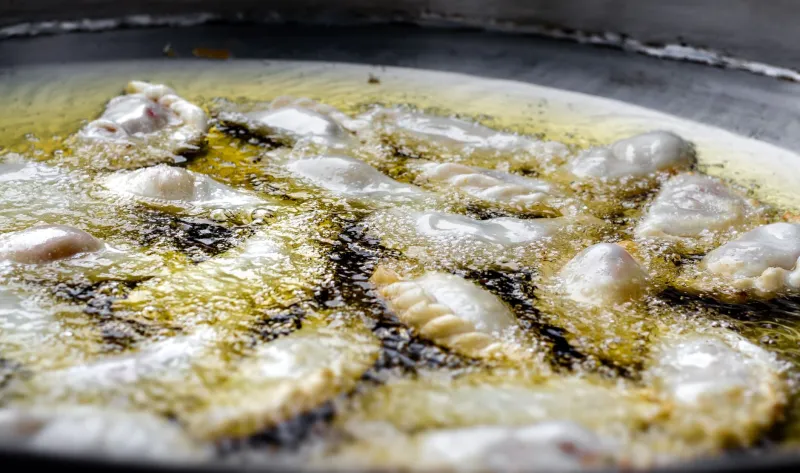
Best with: Fried foods — hojaldres, tostones, chicharrones. The acidity does exactly what you want it to do against anything coming out of hot oil.
3. Horchata de Arroz — Creamy, Spiced, and Nothing Like the Bottled Version
What it is: Rice soaked overnight, blended with water, cinnamon, and sometimes sesame or melon seeds, then strained into a creamy, lightly sweet drink. Panamanian horchata tends to lean into the cinnamon more heavily than Mexican versions, and it's often made with a touch of vanilla.
The cultural context: Horchata in Panama is a comfort drink — something made at home, served cold, and associated with family meals and afternoon breaks. It's not a cocktail mixer or a trendy café item. It's just a really good drink that people have been making forever.
How to make it: Soak one cup of white rice in three cups of water overnight in the refrigerator. In the morning, blend the rice and soaking water with one cinnamon stick (or a teaspoon of ground cinnamon), a splash of vanilla extract, and two more cups of fresh water. Strain through a fine mesh strainer or cheesecloth. Sweeten with sugar or condensed milk. Serve very cold over ice.
Best with: Spicy dishes, anything with ají chombo, or foods with strong savory intensity. The creaminess and mild sweetness provide genuine contrast without competing with the food.
4. Chicheme — The Drink That's Almost a Meal
What it is: Chicheme is a thick, sweet, milky drink made from cracked corn (hominy), milk, cinnamon, and vanilla. It sits somewhere between a beverage and a very thin porridge, and it's served cold or at room temperature depending on the occasion. It's filling, fragrant, and completely unlike anything you'd find at a standard American grocery store.
The cultural context: Chicheme is street food as much as it is a home drink — vendors sell it from large containers at markets and roadside stops across Panama, particularly in Coclé and Herrera provinces. It's the kind of thing that Panamanians who've moved abroad get genuinely nostalgic about. It's also one of the drinks that's essentially impossible to find commercially in the US, which means if you want it, you make it.
How to make it: Cook dried hominy corn (pozole corn works well) until very tender. Drain and cool slightly. Blend a portion of the cooked corn with whole milk, a cinnamon stick, sugar, and a splash of vanilla until smooth. Combine with the remaining whole corn kernels and additional milk to reach a pourable consistency. Chill thoroughly. Stir before serving — it settles.
Best with: It's substantial enough to stand alone as a snack, but it also pairs beautifully with light, simple breakfasts or as an afternoon accompaniment to something sweet.
5. Café de Olla — Panama's Spiced Coffee, Brewed the Old Way
What it is: Coffee brewed directly in a pot with piloncillo (raw cane sugar), cinnamon, and sometimes a clove or two. The result is coffee that's simultaneously more complex and more gentle than a standard American drip — less acidic, naturally sweetened, and faintly spiced.
The cultural context: Café de olla is common across Central America and Mexico, but in Panama it's closely associated with highland coffee-growing regions like Boquete, where the beans are genuinely exceptional and the preparation is kept deliberately simple. It's a morning drink, a cold-weather drink, and a hospitality drink — the thing you make when someone comes to visit.
How to make it: Combine two cups of water, one tablespoon of piloncillo (or dark brown sugar), one cinnamon stick, and one clove in a small saucepan. Bring to a simmer and stir until the sugar dissolves. Add two tablespoons of coarsely ground dark-roast coffee (Panamanian beans if you can find them). Simmer gently for five minutes. Strain into cups. Don't rush the steep.
Best with: Anything you'd eat for breakfast — hojaldres, bollo, eggs. It's also genuinely excellent after dinner with something sweet, where the spice in the coffee echoes the cinnamon in desserts.
The common thread through all five of these drinks is that they're made with real ingredients, minimal processing, and a lot of intention. They're not complicated. They're just specific — and that specificity is exactly what makes them worth learning.
Next time you're putting together a Panamanian meal, skip the rum for one night and see what one of these does to the experience. The food will taste different. In the best possible way.